
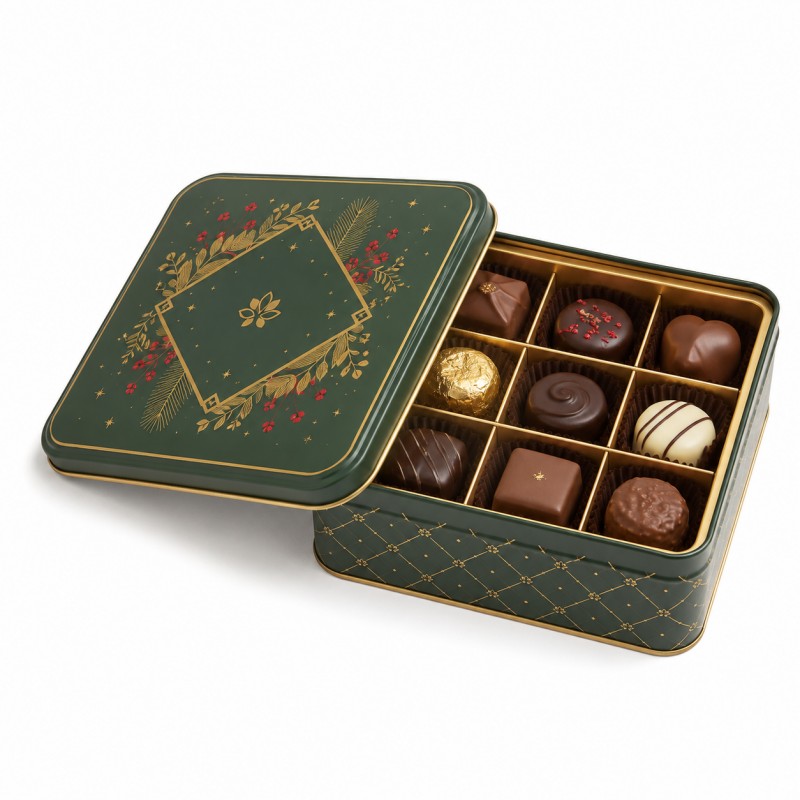
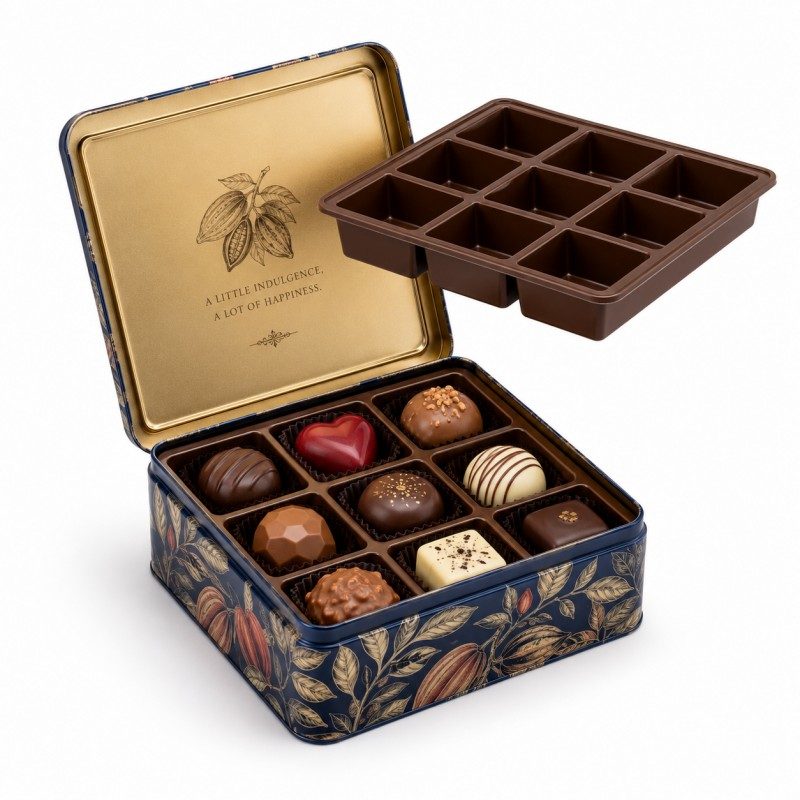
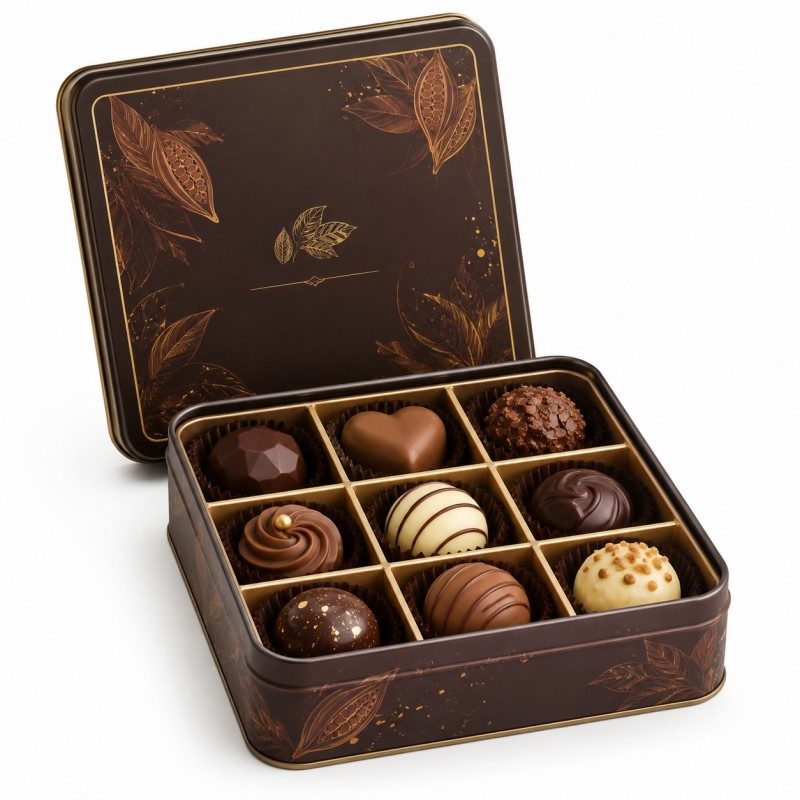
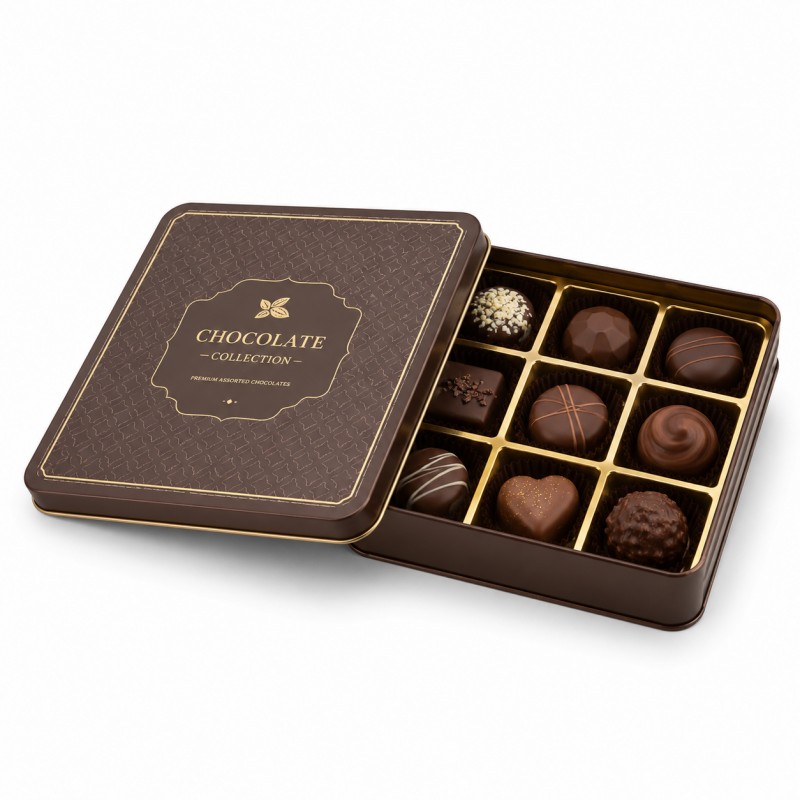
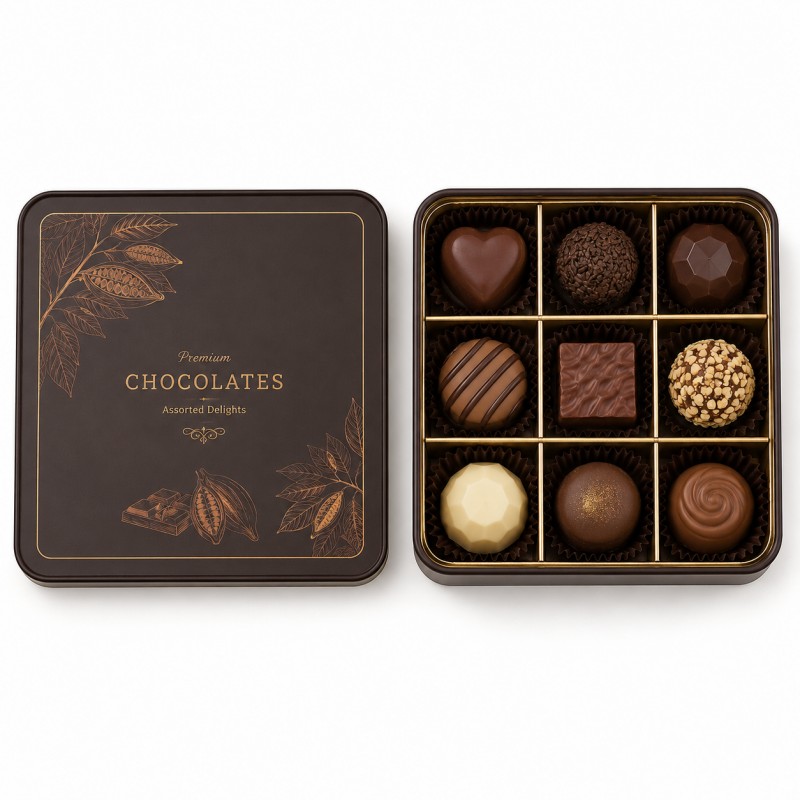
This custom square chocolate tin box is developed for confectionery brands, chocolatiers, gift suppliers, importers and private-label buyers packaging assorted chocolates in an organised presentation. A fitted divider separates each chocolate into an individual position, helping protect delicate shapes while creating a clear tasting sequence when the lid is opened. The square tin, compartment layout, surface printing, embossing and retail packing can all be customised for seasonal collections, premium gift sets and branded chocolate assortments.
Product Name :
Square Chocolate Tin Box with DividerDimensions :
L220*W220*H70 mmShape :
Square, CustomizableDesign :
Customizable, ODM / OEMPrinting :
CMYK, Pantone spot colours, metallic printing or combined printingSurface Finish :
Matte, glossy, metallic effect, embossing, debossing or spot varnishMaterial :
0.23 mm Food-Grade TinplateMOQ :
5,000 pcsLead Time :
35 DaysPackaging :
Opp Bag + Master Carton
The correct packaging structure begins with the chocolates, not with an empty box.
Round truffles, square pralines, heart-shaped chocolates and nut-coated pieces require different compartment sizes. A divider that fits one collection may be unsuitable for another, even when both assortments contain nine chocolates.
Before confirming the square chocolate tin, buyers should determine:
The number of chocolates, maximum piece dimensions, chocolate height, paper cup size, preferred arrangement and required space between products.
Once these details are known, the tin dimensions and internal divider can be developed as one coordinated packaging system.
| Layout | Typical Use | Presentation Benefit | Important Consideration |
| 2 × 2 Compartments | Four large pralines or premium truffles | Compact luxury gift presentation | Allow enough clearance for larger decorations |
| 2 × 3 Compartments | Six-piece tasting set | Suitable for samples and promotional gifts | Keep the first chocolate easy to remove |
| 3 × 3 Compartments | Nine assorted chocolates | Balanced square arrangement with strong visual symmetry | Confirm each chocolate cup diameter |
| 3 × 4 Compartments | Twelve-piece retail collection | Supports multiple flavours without creating an oversized package | Check the finished tin proportions |
| Layered Arrangement | Larger gift collections | Increases capacity while maintaining a compact footprint | Upper tray must not press against lower chocolates |
The final layout is not limited to equal square compartments. Custom inserts can combine round, rectangular and special-shaped positions within the same tin.
A square format naturally supports grid-style compartment layouts. Each chocolate can be aligned in rows, allowing customers to understand the assortment immediately after opening the lid.
The flat lid provides a large branding area for collection names, seasonal artwork, product stories and embossed logos.
Square tins use shelf and carton space efficiently compared with irregular-shaped packaging.
After the chocolates have been consumed, customers can remove the insert and reuse the tin for small items, confectionery or household storage.
The same visual identity can be extended across four-piece, nine-piece, twelve-piece and larger chocolate assortments.
A chocolate divider should do more than prevent products from touching each other. It should support loading, transport, display and easy removal.
A paperboard grid is suitable for simple rows of individually wrapped chocolates or products held inside paper cups.
It is lightweight, printable and can be removed easily when the tin is reused.
A moulded PET or PS tray provides defined cavities for each chocolate. It is suitable for assortments that require a precise retail presentation and stable product positioning.
The cavity dimensions should match the real chocolate samples, including decorations, coatings and paper cups.
A moulded pulp tray can provide individual product positions with a paper-based appearance. The material and surface should be evaluated according to the finished chocolate packaging and transportation requirements.
Individual paper cups can be combined with a grid divider. The cups support visual presentation and reduce direct movement between the chocolates and the insert.
A deeper square tin can use two removable trays to increase capacity. Finger-access areas or lifting tabs can be added to help customers remove the upper layer.
Assorted chocolates may include glossy shells, soft fillings, nut coatings, decorative lines and delicate toppings. Packaging pressure or uncontrolled movement can damage the appearance before the product reaches the customer.
The insert should therefore control lateral movement without gripping the chocolates too tightly.
Important allowances include:
Chocolate diameter, product height, topping height, paper cup edge, space above the chocolate and clearance below the lid.
The lid should not press against the product when the tin is closed. Extra clearance may be required for tall truffles, decorative pieces or chocolates with irregular surfaces.
The internal layout can help customers explore the assortment in a planned order rather than selecting chocolates randomly.
The inside lid can display a flavour map showing which chocolate corresponds to each compartment. Numbering, symbols or colour coding can guide customers through milk, dark, white, nut, fruit or caramel varieties.
A tasting sequence might begin with lighter flavours in the top row, move toward stronger cocoa profiles in the centre and finish with roasted nut or dark chocolate pieces.
This approach turns the divider into part of the brand experience rather than treating it only as protective packaging.
The inside of the lid offers a useful area for information that should be discovered after opening the package.
Possible content includes:
A chocolate map, flavour names, cocoa percentages, filling descriptions, allergen guidance, tasting notes, brand story or gift message.
A QR code can connect customers to detailed ingredient information, product videos, traceability content or the brand’s online store.
When the inside lid is printed, the artwork position must be coordinated with the forming area and lid structure.
A dark matte tin with gold accents, a fitted compartment tray and embossed logo creates a premium presentation for individually decorated pralines.
The same square structure can carry Christmas, Valentine’s Day, Easter, New Year or anniversary artwork while retaining the approved divider layout.
Each compartment can hold chocolate made from a different cocoa origin, with the inside lid showing region, cocoa percentage and tasting notes.
The lid can carry a corporate logo or event message, while the chocolates remain organised inside a branded assortment.
A larger divider can combine pralines, nut clusters and individually wrapped confectionery within one gift box.
The metal lid can feature illustrated artwork or collector-style graphics, allowing the empty tin to remain valuable after the chocolates are consumed.
The exterior design can be developed around the chocolate collection rather than using generic confectionery graphics.
Premium chocolate packaging often uses restrained colour systems, cocoa botanical illustrations, fine borders and controlled metallic details. Seasonal ranges may use brighter artwork, while heritage brands may prefer engraved-style graphics and traditional typography.
The lid provides the main storytelling area. Side panels can display flavour information, net weight, origin, company details, barcodes and multilingual text.
A matte dark-brown finish creates a soft premium appearance and reduces strong surface reflection.
Gold-style lines, logos and borders can reinforce a luxury gift presentation without covering the complete tin.
Cocoa pods, leaves, brand names and decorative frames can be embossed to create tactile detail.
A glossy coating can increase colour brightness for festive or promotional collections.
Selected areas can retain the natural metallic reflection of the tinplate to create silver or gold-style highlights.
A selective glossy area can contrast with a matte background and draw attention to logos, chocolates or collection names.
A shallow square tin may look elegant but can create pressure problems if the chocolates are tall. An excessively deep tin may allow products to appear lost inside the package.
The internal height should include:
The chocolate height, paper cup height, tray thickness, base clearance and the space between the top of the chocolate and the closed lid.
When a protective pad is placed below the lid, its thickness must also be included in the calculation.
Physical filling tests are strongly recommended before approving mass production.
Chocolate products are commonly placed in paper cups, moulded trays or individual wraps before being loaded into the metal tin.
In this format, the tin functions as rigid secondary packaging, while the cups, wraps or tray provide the immediate product-contact layer.
The appropriate material specification depends on the chocolate format, expected shelf life, filling method and destination-market requirements.
The tin itself should not be described as the primary freshness barrier unless the complete packaging system has been developed and tested for that purpose.
The metal box blocks light and protects the chocolates from physical pressure, but it cannot prevent quality problems caused by unsuitable storage temperatures.
Chocolate packaging programmes should consider:
Storage temperature, humidity, transportation conditions, risk of melting, condensation and exposure to strong odours.
A sealed inner wrap or film may be required depending on the product formulation and distribution route.
The square chocolate tin can be sold independently or combined with additional paper packaging.
A sleeve can add seasonal information, flavour details or promotional branding without changing the metal artwork.
A carton with a window can reveal the decorative tin while providing additional retail information.
A rigid outer box can combine the chocolate tin with a greeting card, ribbon or other gift components.
A fitted paperboard shipper can protect the decorative tin during direct-to-consumer delivery.
A single square tin mould can support several chocolate collections by changing the artwork, divider and chocolate arrangement.
For example, the same outer tin can be used for:
A nine-piece praline collection, a six-piece large truffle set or a mixed chocolate and nut assortment.
This allows brands to maintain a consistent packaging family while adjusting the product configuration for different price points and seasons.
The insert design and loading method must still be confirmed separately for each assortment.
Jinyu maintains more than 3,000 existing moulds covering square, rectangular, round and special-shaped tins.
Using an existing square tin mould can reduce tooling investment and shorten the sampling process. Buyers can compare available sizes against the required chocolate layout before opening new tooling.
A new mould may be considered when the project requires an exclusive footprint, unusual depth, special lid profile or proprietary gift structure.
Supply physical chocolates, paper cups or accurate product drawings showing the maximum dimensions.
Determine the number of pieces, flavour arrangement and preferred opening presentation.
Compare existing square tin moulds or evaluate a new structure.
Create a paperboard grid, moulded tray or layered insert around the actual chocolate dimensions.
Plan the exterior design, inside-lid flavour guide and required product information.
Load real chocolates into the sample and check movement, removal, lid clearance and overall presentation.
The tinplate is printed, coated, cut, stamped, formed, assembled and inspected before packing.
The finished packaging should be inspected as a complete system consisting of the tin, divider, paper cups and chocolate arrangement.
Key checks can include:
Tin dimensions, lid fit, corner forming, divider stability, compartment size, product clearance, ease of removal, printing registration, surface scratches and export packing.
The divider should remain level and should not move excessively when the closed tin is handled under normal conditions.
High-gloss or metallic tins may require individual bags, tissue or dividers to reduce surface contact during transportation.
Jinyu provides integrated support for tin structure selection, metal printing, insert development, stamping, forming, assembly, inspection and export packing.
Our existing mould library allows chocolate brands to compare multiple square tin sizes before investing in new tooling.
The tin, divider, paper sleeve and gift box can be coordinated as one packaging project, helping reduce fit and colour inconsistencies between separate suppliers.
OEM and ODM services are available for chocolatiers, confectionery brands, importers, retailers and corporate gift companies.
To prepare an accurate quotation, please provide the number of chocolates, maximum chocolate dimensions, paper cup size, preferred compartment arrangement, estimated order quantity, number of artworks, destination country and required delivery date.
Physical chocolate samples, current packaging, product drawings and brand guidelines are especially helpful when the tin and divider dimensions have not yet been confirmed.
The capacity can be customised according to the chocolate dimensions and required layout. Common arrangements include 4, 6, 9, 12 and 16 pieces.
Yes. A customised insert can combine different compartment sizes for truffles, pralines and irregular-shaped chocolates.
Yes. Paperboard grids, moulded trays and layered inserts can be designed as removable components.
Yes. The inside lid can display a flavour map, tasting notes, cocoa percentages or product numbering.
Yes. Thermoformed trays can be produced in suitable materials and colours according to the project requirements.
Yes. A deeper tin can use two removable trays, provided enough clearance is maintained between the upper and lower layers.
A standard decorative tin should not automatically be described as fully airtight. The freshness barrier depends on the chocolate wraps, inner film and complete packaging system.
Yes. Logos, cocoa pods, leaves and collection names can be embossed or debossed when the artwork is suitable for metal forming.
The standard MOQ normally starts from 5,000 pieces per size or artwork. Divider and outer packaging quantities should be evaluated together with the tin order.
Sampling normally takes approximately 7–10 working days after the structure is confirmed. Mass production generally requires approximately 25–35 working days after sample and artwork approval.
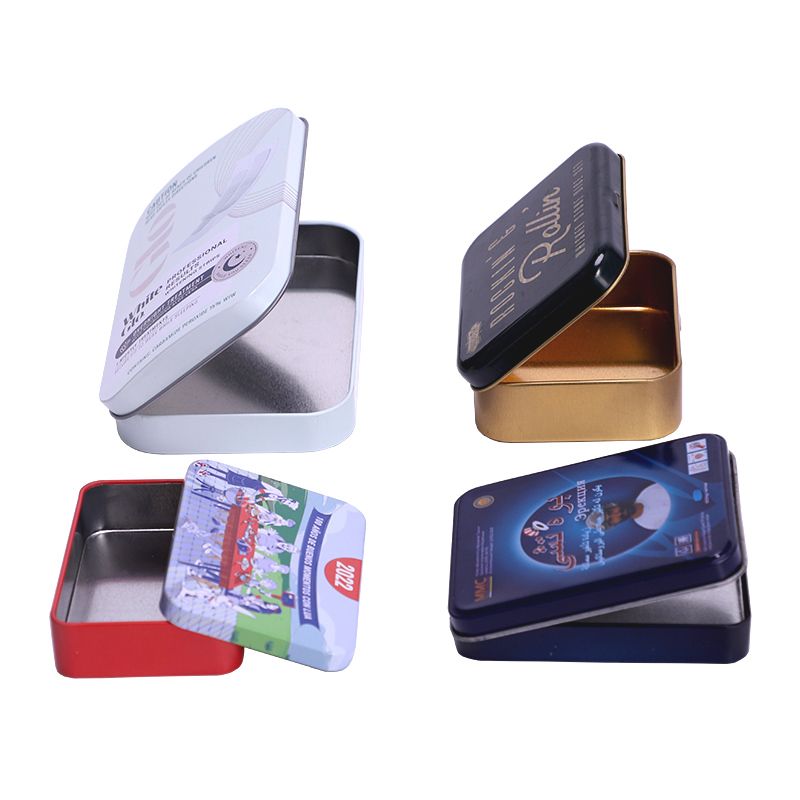
Diseñados para ser apilables, lo que los hace fáciles de almacenar y organizar. Se puede reutilizar para diversos fines, desde almacenar artículos hasta usarlos como piezas decorativas. Variedad de tamaños, colores y diseños que se adaptan a tus necesidades. La estructura simple de la tapa con bisagras es fácil de abrir y cerrar. La hojalata duradera los hace duraderos y resistentes al desgaste.
LEER MÁS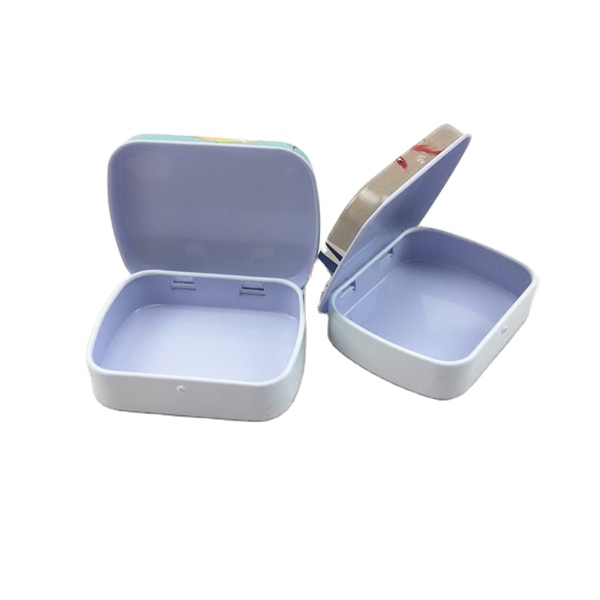
Estuche de hojalata Candy Mint, tamaño: 60*50*15mm, Está hecho con material de hojalata de 0,23 mm de espesor, CMYK 4 colores e impresión panton, admitimos cualquier personalización.
LEER MÁS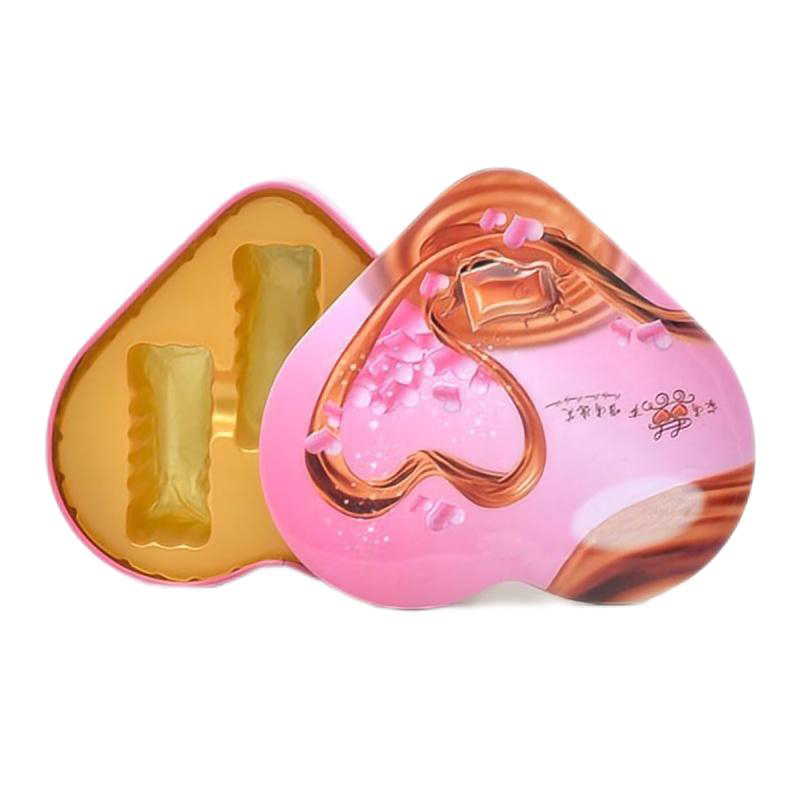
Ofrecemos opciones de empaque de dulces que son adecuadas para todo tipo de configuraciones de empaque.Con un sello hermético, las latas de dulces se mantienen frescas durante un período prolongado.Los diseños brillantes y atrevidos de las cajas de lata de dulces las hacen fácilmente identificables.La naturaleza duradera de la lata de caramelo la convierte en una solución de envasado rentable.Las latas de dulces están fabricadas con material resistente que evita que se rompan o aplasten.
LEER MÁS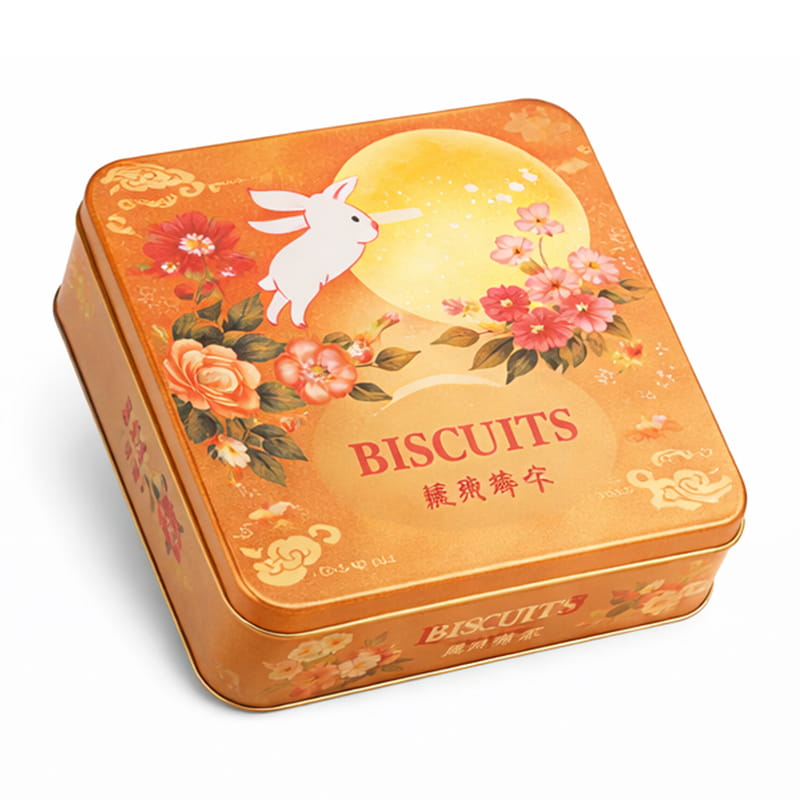
Este caja de lata de metal se usa generalmente para empaques de dulces y chocolates, el tamaño es de 220 * 220 * 68 mm, está hecho con material de hojalata de 0,23 mm de espesor, con impresión CMYK de 4 colores o panton, ahora apoyamos su diseño personalizado y hacemos nuevos moldes.
LEER MÁS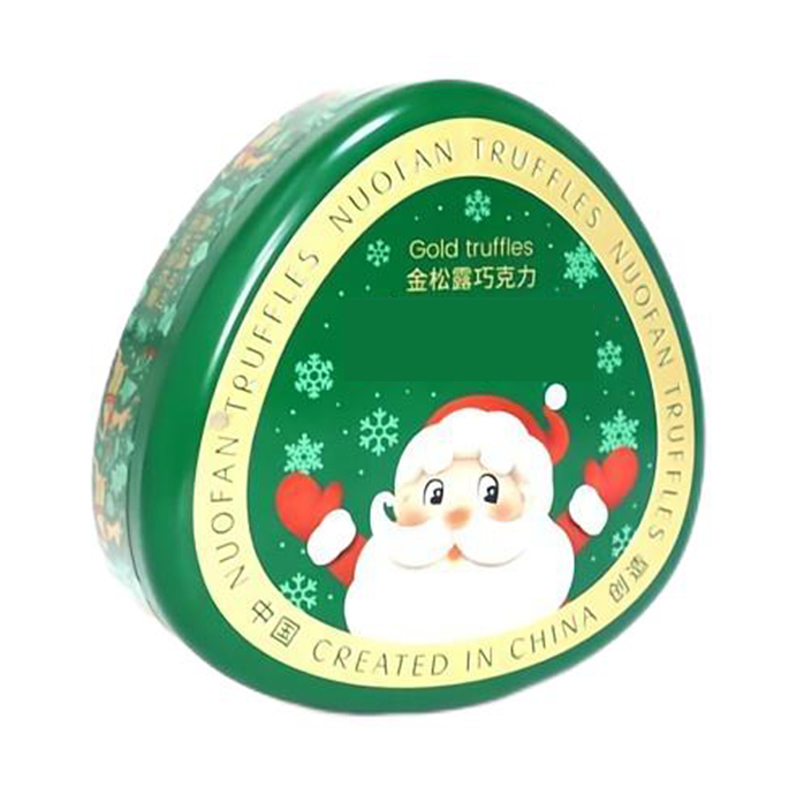
Nuestras opciones de empaque de dulces están diseñadas para adaptarse a cualquier disposición de empaque de dulces.El sello hermético de las latas de dulces ayuda a conservar la frescura durante un período prolongado.Los diseños vibrantes y atrevidos de las cajas de lata para dulces garantizan un fácil reconocimiento.La robustez y resistencia de las latas de caramelos las convierten en una opción de embalaje rentable.El material resistente de las latas de caramelos proporciona una protección fiable contra roturas o aplastamientos.
LEER MÁS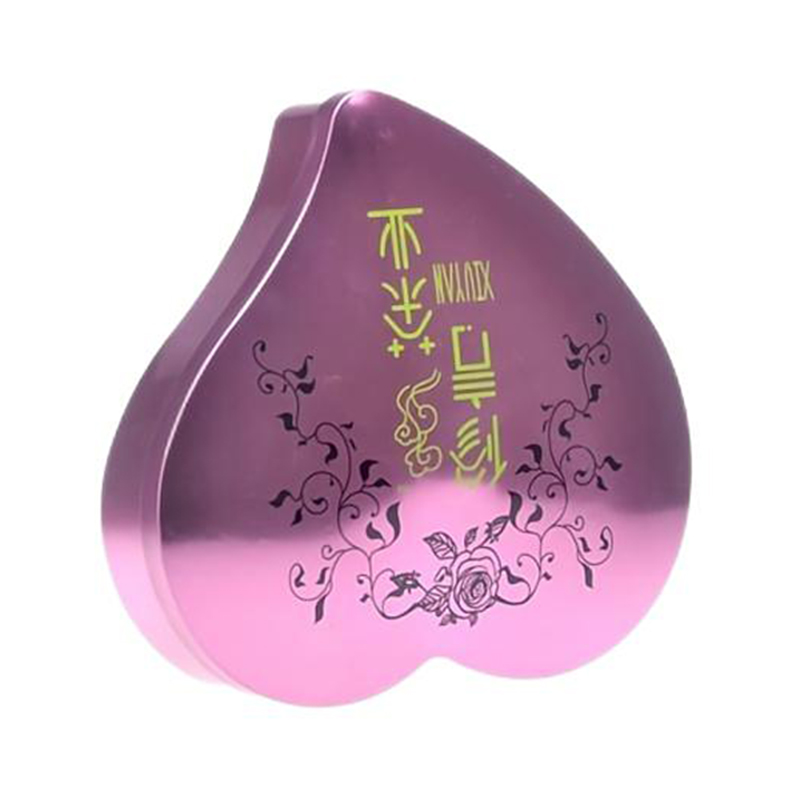
Nuestras opciones de embalaje de dulces son adecuadas para todo tipo de configuraciones de embalaje.Las latas de dulces con cierre hermético mantienen los dulces frescos durante un período prolongado.Los diseños brillantes y atrevidos de las cajas de lata de dulces las hacen fácilmente reconocibles.La durabilidad de las latas de caramelos las convierte en una solución de embalaje rentable.Las latas de dulces están hechas con materiales resistentes que las protegen para que no se rompan o aplasten.
LEER MÁS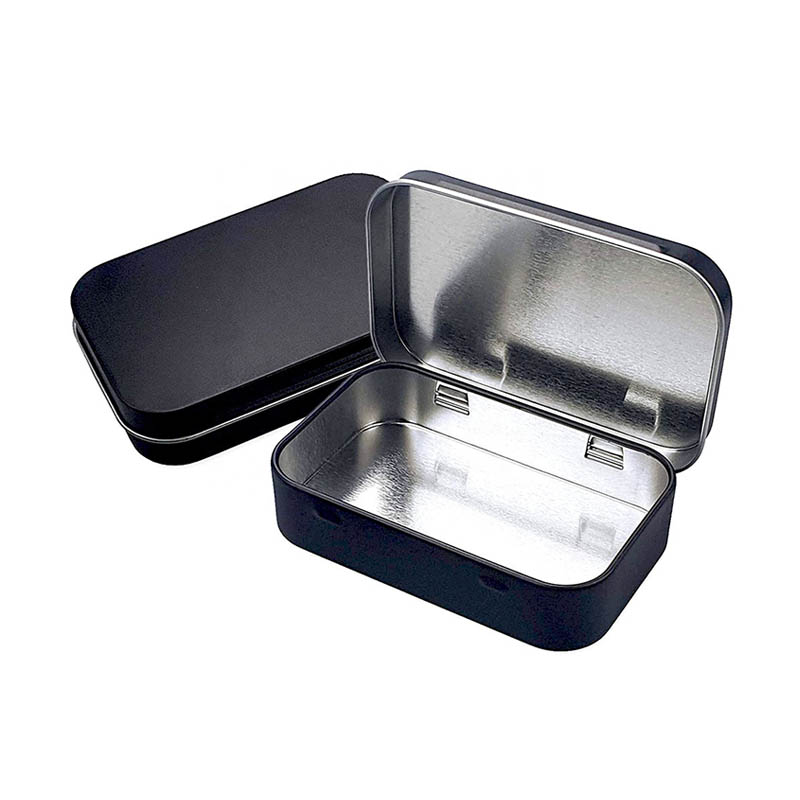
Ideal para guardar objetos pequeños como monedas, joyas y otras baratijas.Perfecto para regalar artículos pequeños como chocolates, dulces y otras delicias.Durable y resistente al desgaste.Múltiples tamaños, colores y formas, lo que los hace ideales para una variedad de usos.Buena opción para regalar, ya que se pueden personalizar con algún mensaje o diseño especial.
LEER MÁS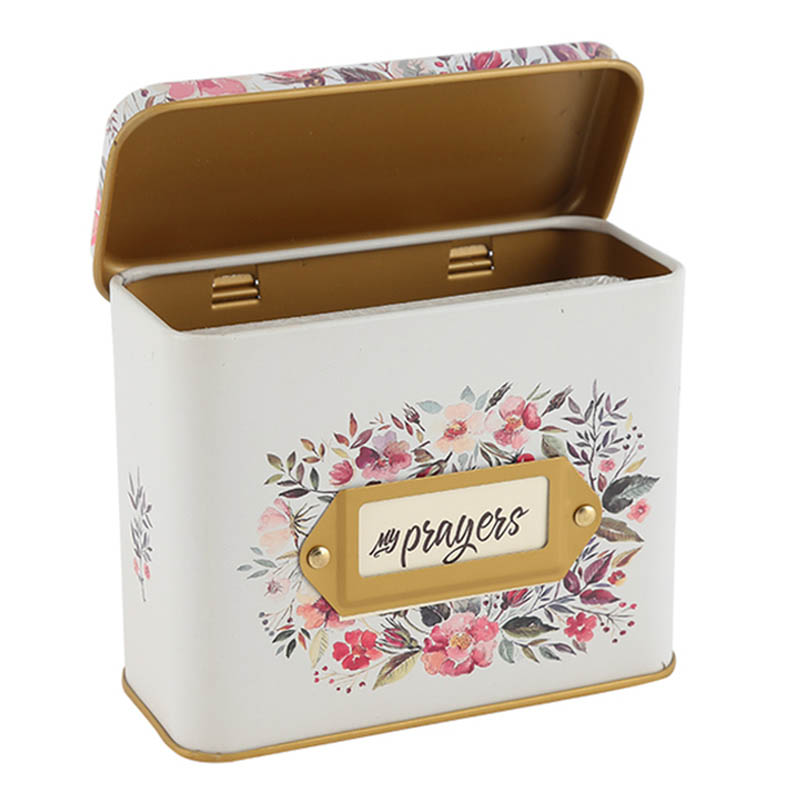
Explore una amplia selección de soluciones de embalaje de hojalata, que abarca una amplia gama de productos.Utilizando procesos modernos, logramos un sellado confiable y un tiempo de almacenamiento prolongado.Nuestros socios de renombre incluyen líderes de la industria como Mentos, Tic Tac y Altoids.El uso de material de hojalata de primera calidad garantiza un sellado impecable de nuestras latas.Benefíciese de un equipo de diseño profesional, equipos de impresión de última generación y una presentación impecable.
LEER MÁS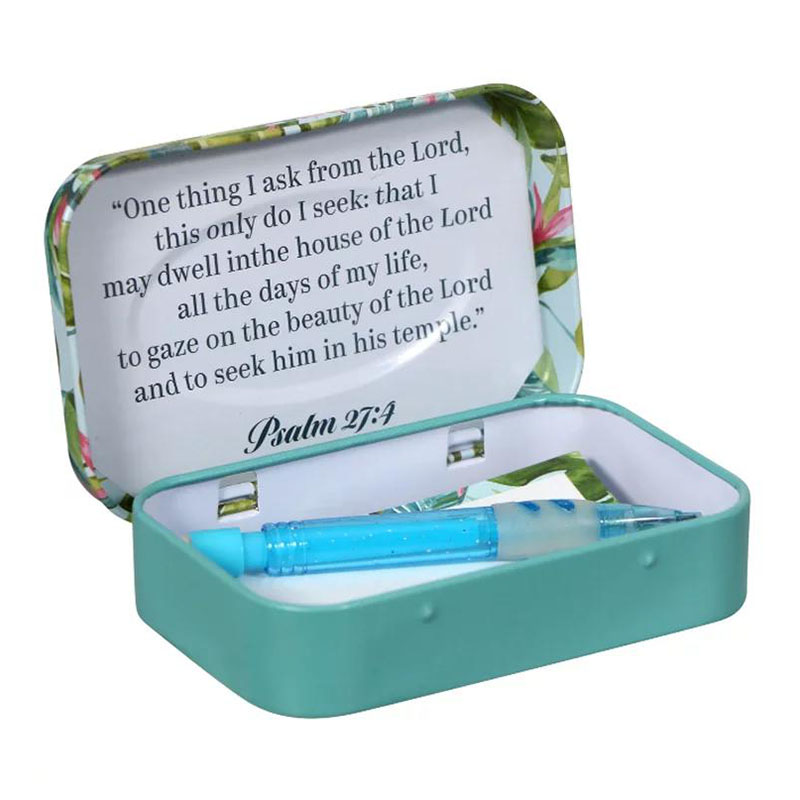
Caja de lata de metal menta caramelo con tapa abatible, tamaño: 100*80*22mm, Está hecho con material de hojalata de 0,23 mm de espesor, impresión CMYK 4 colores o panton, admitimos cualquier personalización.
LEER MÁS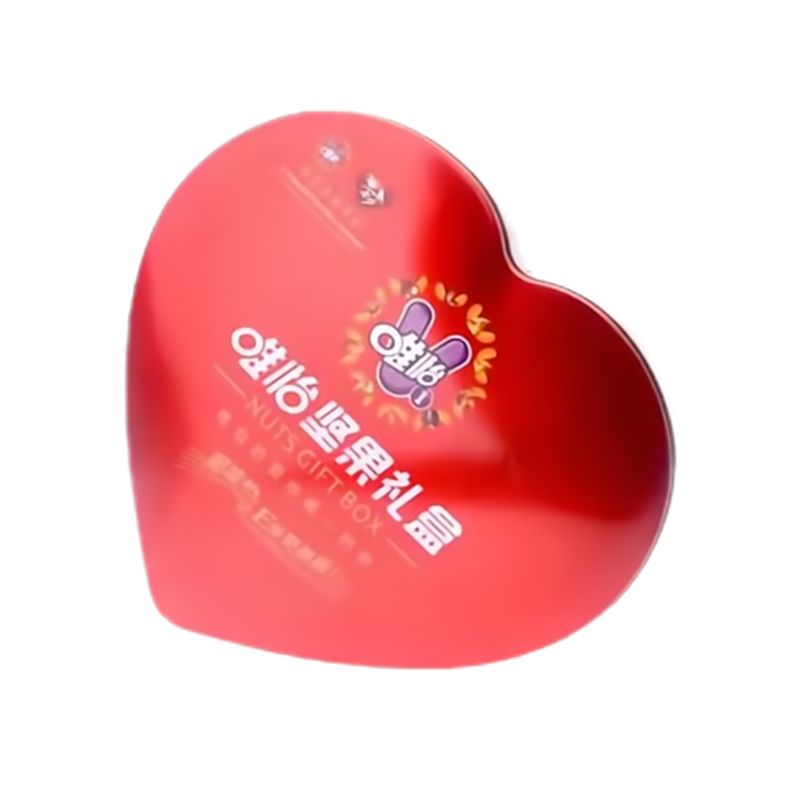
Nuestras opciones de empaque de dulces están diseñadas para funcionar con cualquier tipo de configuración de empaque de dulces.El cierre hermético de las latas de dulces ayuda a conservar la frescura durante más tiempo.Los diseños de las cajas de lata de dulces son vibrantes y atrevidos, lo que los hace fácilmente reconocibles.La robustez y resistencia de la lata de caramelo la convierten en una opción rentable para el embalaje.El material resistente de las latas de caramelos ofrece una protección fiable contra roturas o aplastamientos.
LEER MÁS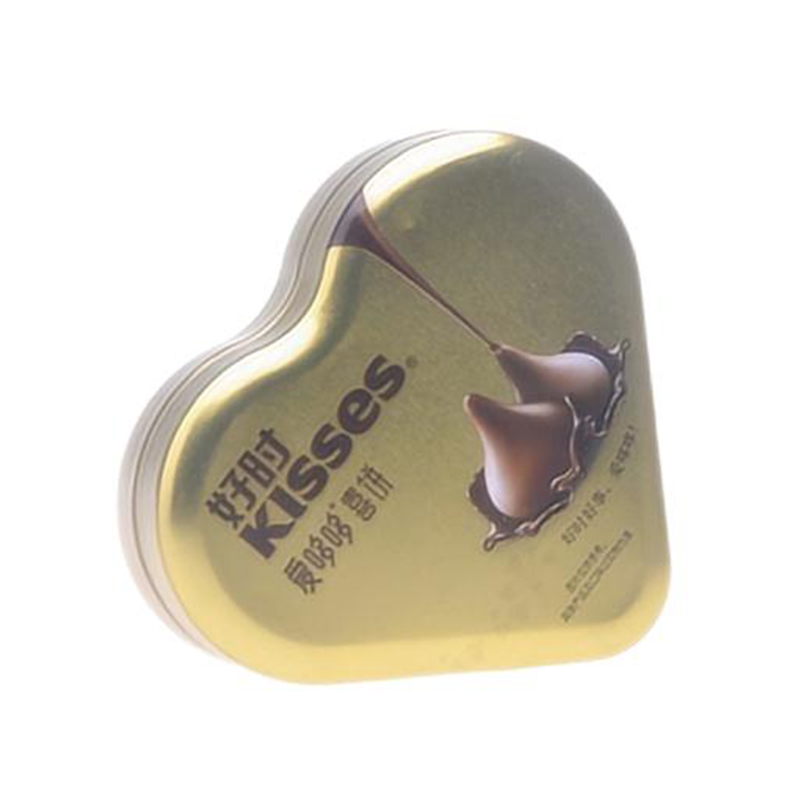
Ofrecemos opciones de empaque de chocolate que se adaptan a cualquier tipo de material de empaque que pueda tener.Las latas de chocolate están diseñadas con un sello hermético que las mantiene frescas por más tiempo.Con sus diseños brillantes y atrevidos, las cajas de lata de chocolate son fáciles de identificar.La longevidad y durabilidad de la lata de chocolate la convierten en una opción económica para el envasado.Con su material duradero, las latas de chocolate son una excelente opción para protegerlas contra roturas o aplastamientos.
LEER MÁS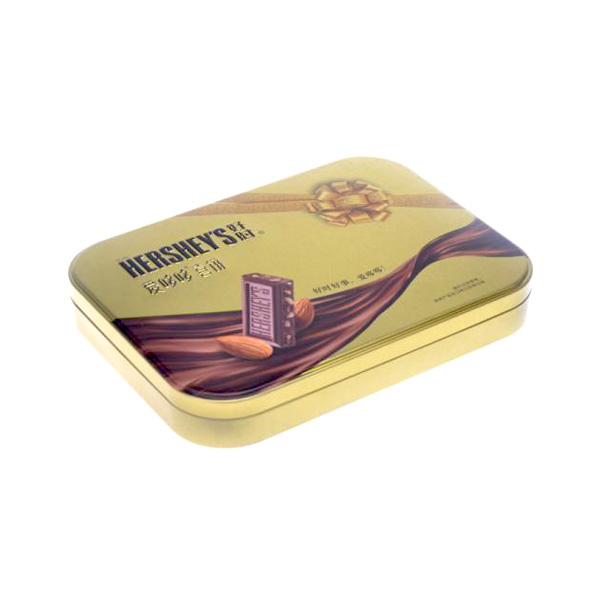
Nuestras opciones de embalaje de hojalata cubren todo tipo de embalaje, lo que garantiza que usted tenga el mejor ajuste.Se puede lograr un sellado eficaz y un almacenamiento prolongado de su chocolate mediante técnicas sofisticadas.Nuestra base de clientes leales está formada por marcas conocidas como Oreo, Keebler, Chips Ahoy y Pepperidge Farm.Se garantiza que su embalaje será seguro para el contacto con alimentos gracias al uso de hojalata de primera calidad.La maquinaria profesional de impresión pantone y 4 colores garantiza la excelencia de las presentaciones en cajas de hojalata.
LEER MÁS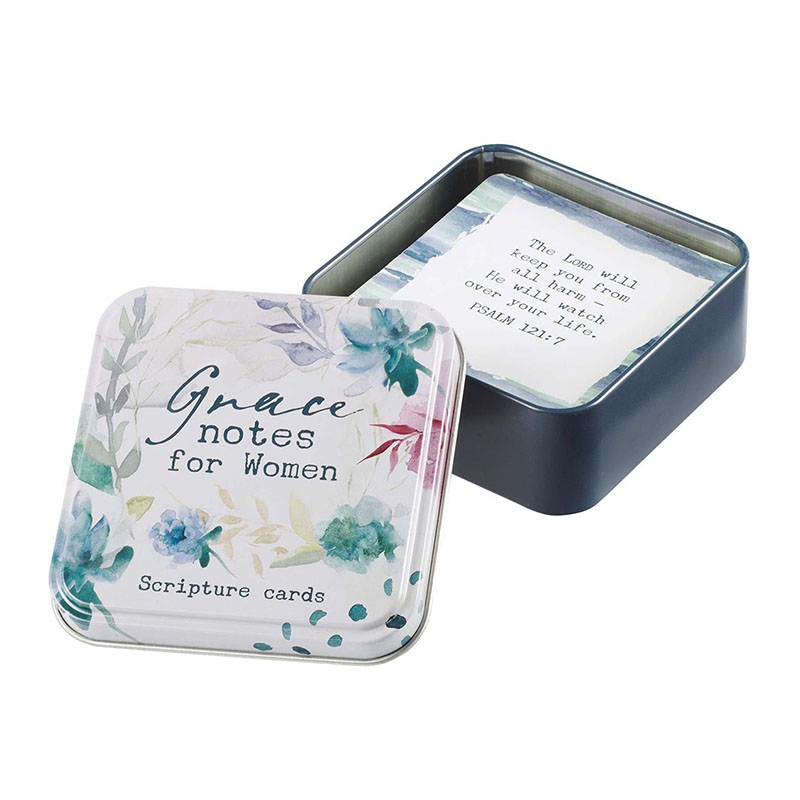
Amplia gama de soluciones de embalaje de hojalata para que usted elija, cubriendo toda la gama de productos.El proceso moderno aporta un buen sellado y un largo tiempo de almacenamiento.Entre los socios conocidos se incluyen marcas líderes como Mentos, Tic Tac y Altoids.El material de hojalata de primera calidad garantiza que la lata proporcione un sellado perfecto.Equipo de diseño profesional, equipo de impresión avanzado, presentación perfecta.
LEER MÁS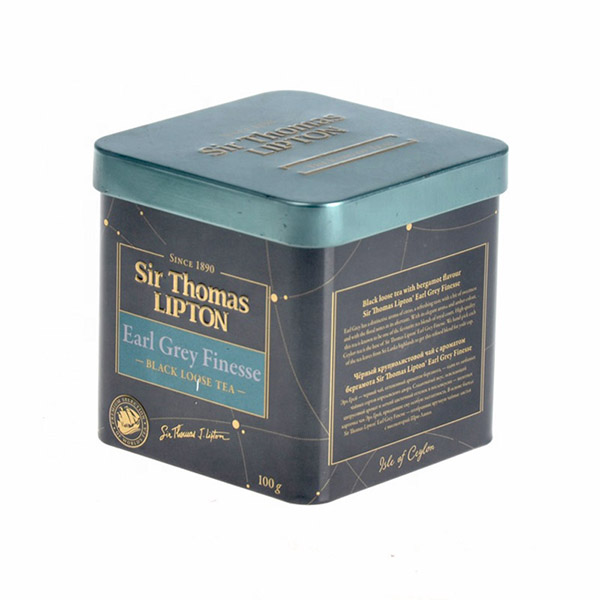
Caja de lata de metal para té y café con logotipo en relieve, tamaño: 90 * 90 * 90 mm, Está hecho con material de hojalata de 0,23 mm de espesor, impresión CMYK 4 colores o panton, admitimos cualquier personalización.
LEER MÁS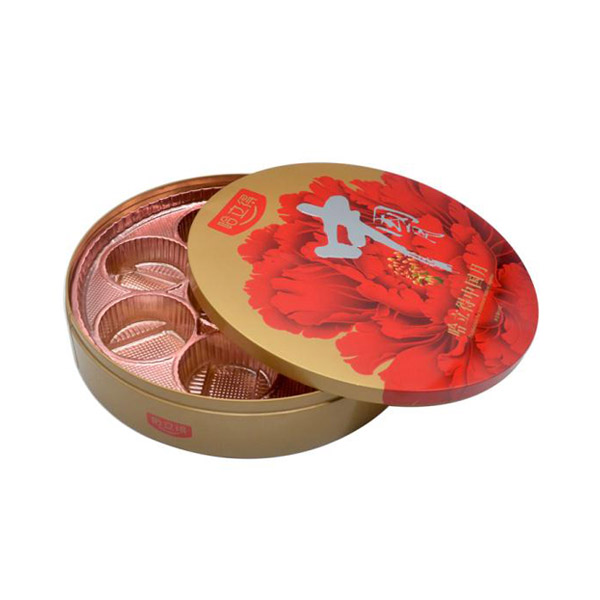
Nuestras opciones de empaque de chocolate se pueden personalizar para satisfacer sus necesidades de empaque específicas.El cierre hermético de las latas de chocolate evita la entrada de aire y ayuda a mantenerlas frescas durante más tiempo.El respeto al medio ambiente de las cajas de lata de chocolate reside en su capacidad de reutilizarse muchas veces.La durabilidad de la lata de chocolate la convierte en una opción rentable para envases que puedan resistir el desgaste.La robustez de las latas de chocolate proporciona una protección óptima contra roturas o aplastamientos.
LEER MÁS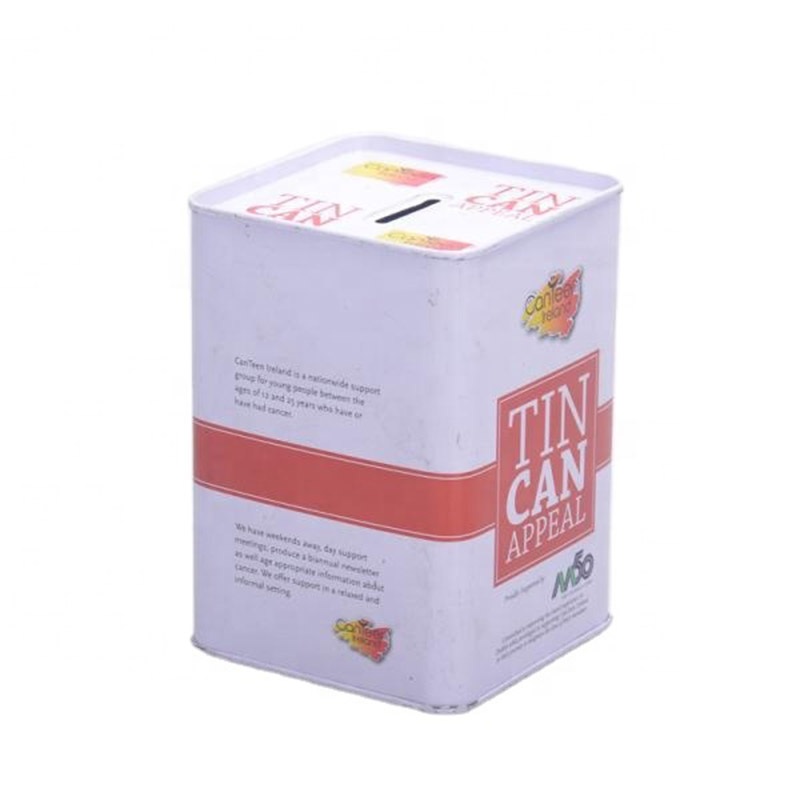
Calidad duradera y se puede utilizar repetidamente.Asegure sus ahorros y proteja su dinero contra robos.Amplia gama de tamaños y estilos, le ayudará a descubrir uno que se adapte a sus necesidades.Se utiliza como regalo para niños y amigos, y es una excelente forma de promoción comercial de marcas.Proveedor directo de fábrica confiable, alta calidad con precio competitivo.
LEER MÁS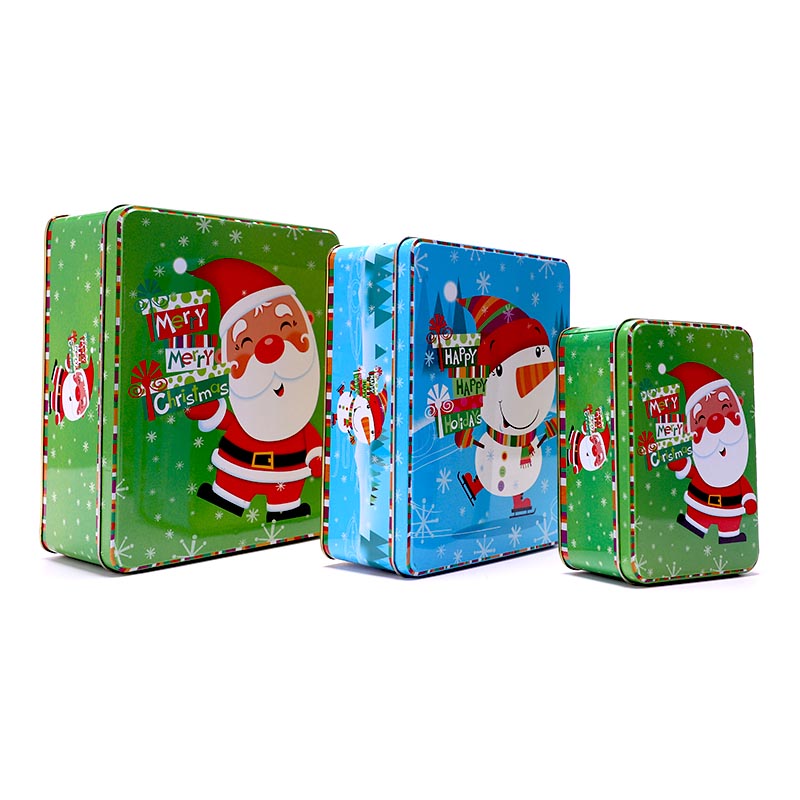
Nuestra selección de opciones de embalaje de galletas está diseñada para satisfacer todo tipo de requisitos de embalaje.Con nuestras exitosas técnicas de sellado, puede asegurarse de que sus obsequios permanezcan frescos y conservados por más tiempo.Oreo, Keebler, Chips Ahoy y Pepperidge Farm son marcas de galletas famosas que nos son leales.Tenga la seguridad de que priorizamos la seguridad del embalaje de sus regalos utilizando hojalata de primera calidad apta para uso alimentario, lo que garantiza el más alto nivel de calidad.Para garantizar una calidad superior en las presentaciones de cajas de hojalata, empleamos maquinaria profesional de impresión Pantone y de 4 colores.
LEER MÁS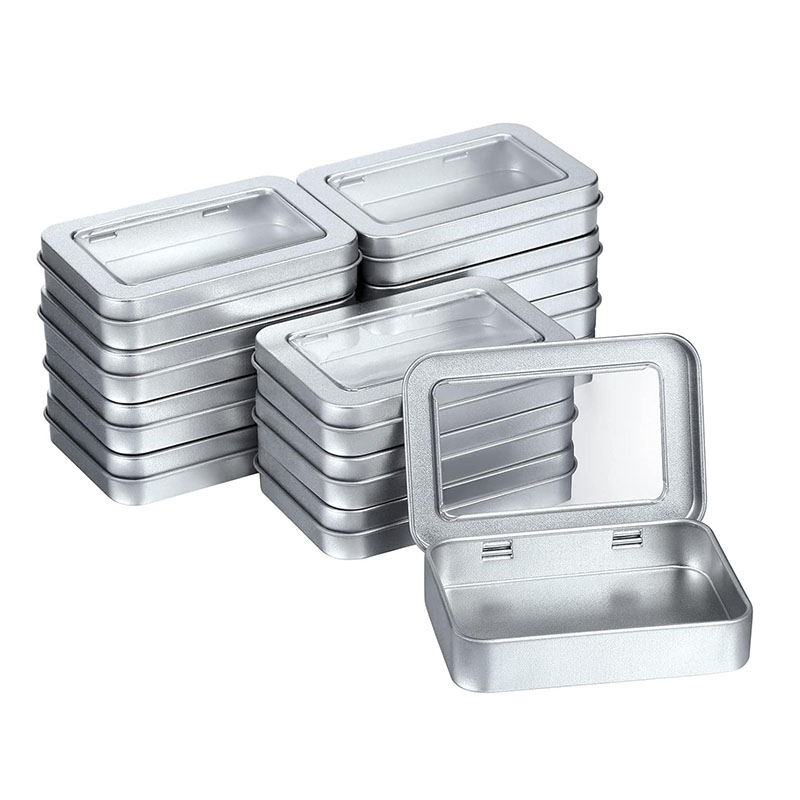
Amplia gama de soluciones de embalaje de hojalata para que usted elija, cubriendo toda la gama de productos.El proceso moderno aporta un buen sellado y un largo tiempo de almacenamiento.Entre los socios conocidos se incluyen marcas líderes como Mentos, Tic Tac y Altoids.El material de hojalata de primera calidad garantiza que la lata proporcione un sellado perfecto.Equipo de diseño profesional, equipo de impresión avanzado, presentación perfecta.
LEER MÁS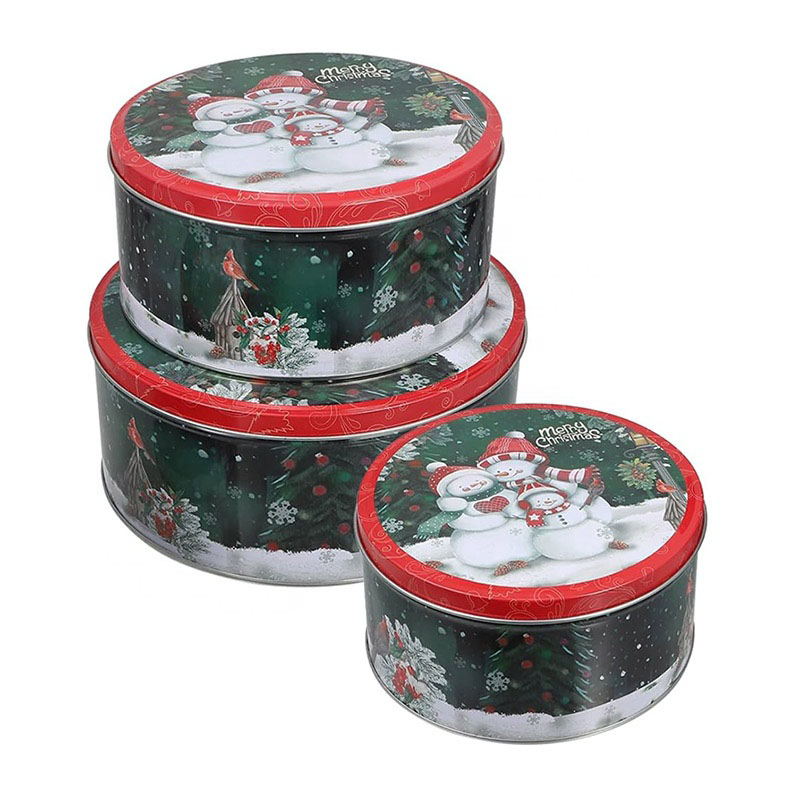
Contamos con una variedad de opciones de empaque de galletas para satisfacer sus necesidades específicas. Al emplear técnicas de sellado efectivas, sus obsequios pueden conservarse durante períodos de tiempo prolongados. Hemos establecido sólidas asociaciones con marcas de galletas de renombre como Oreo, Keebler, Chips Ahoy y Pepperidge Farm. Priorizamos la seguridad del embalaje de sus regalos utilizando únicamente hojalata de primera calidad y apta para uso alimentario. Garantizamos la más alta calidad en presentaciones de cajas de hojalata mediante el uso de maquinaria profesional de impresión Pantone y 4 colores.
LEER MÁS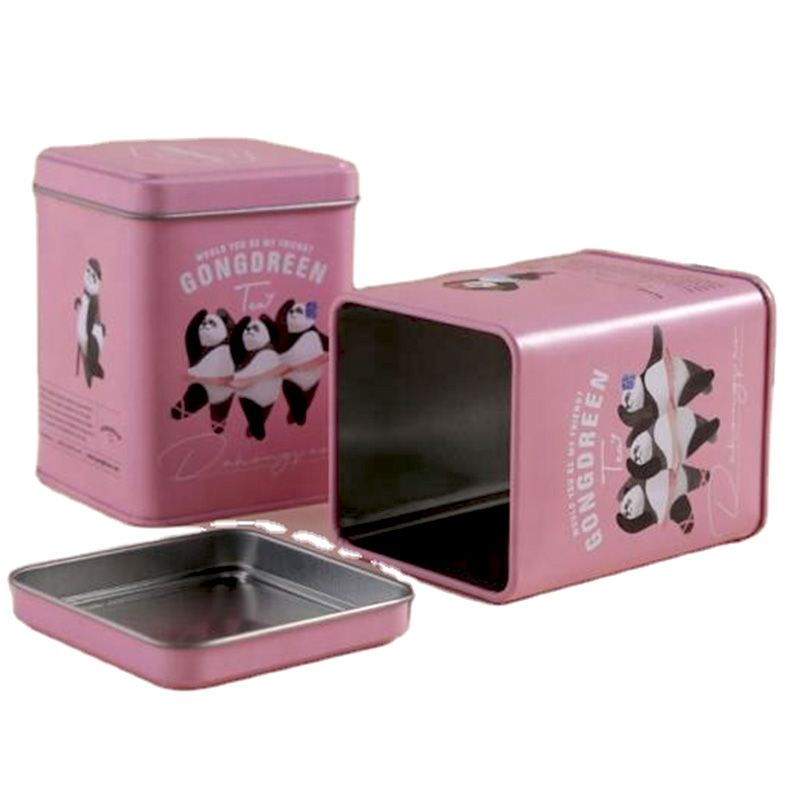
Sello hermético para mantener el té fresco por más tiempo. Ofrecer servicios integrales de envasado de té, desde el diseño hasta la producción, envasado y distribución. Marcas reconocidas que venden té en todo el mundo son nuestros clientes a largo plazo, como Twinings, Tetley, Bigelow. Una forma atractiva y llamativa de atreverse con sus productos de té. Equipos de impresión profesionales Pantone y de 4 colores, que crean colores impresos completos y vibrantes con diseños únicos.
LEER MÁS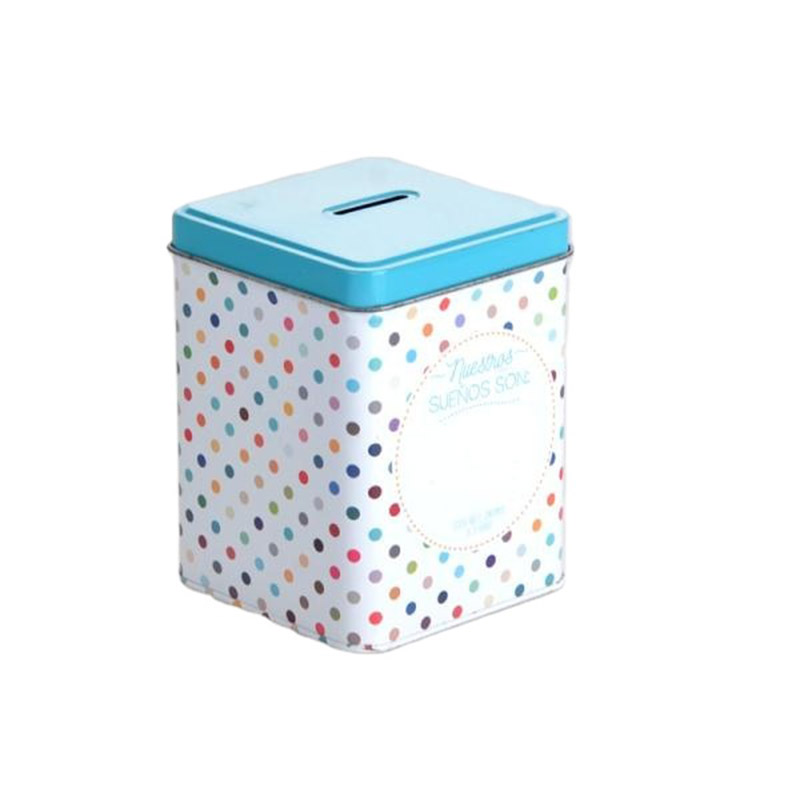
Calidad duradera y se puede utilizar repetidamente.Asegure sus ahorros y proteja su dinero contra robos.Amplia gama de tamaños y estilos, le ayudará a descubrir uno que se adapte a sus necesidades.Se utiliza como regalo para niños y amigos, y es una excelente forma de promoción comercial de marcas.Proveedor directo de fábrica confiable, alta calidad con precio competitivo.
LEER MÁS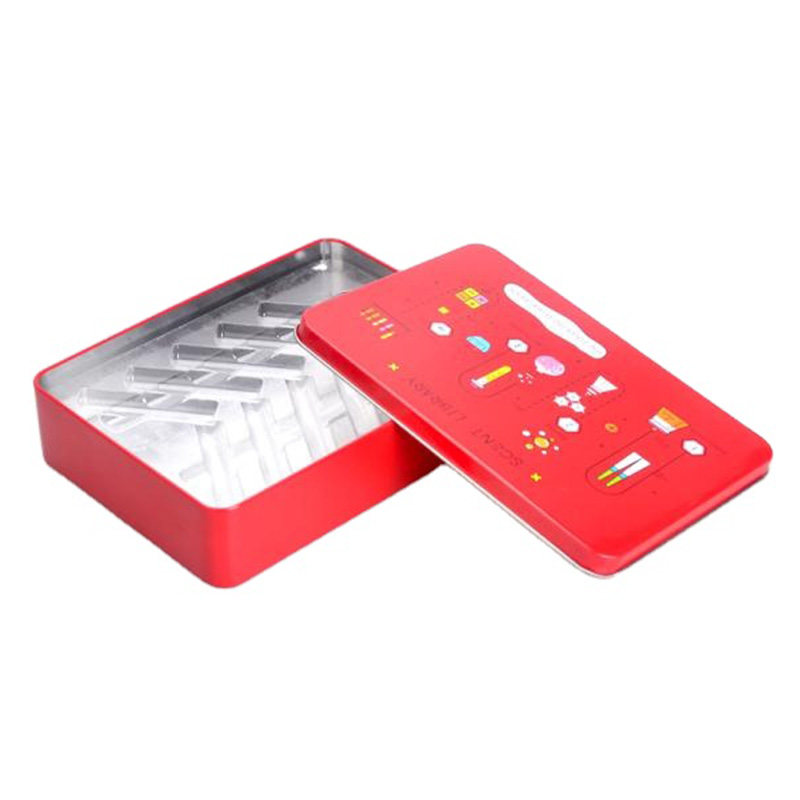
No importa qué tipo de embalaje necesite, tenemos opciones de embalaje de galletas adecuadas.Sus cookies se pueden almacenar durante períodos de tiempo más largos con técnicas de sellado exitosas.Oreo, Keebler, Chips Ahoy y Pepperidge Farm son marcas de galletas famosas que nos son leales.La utilización de hojalata de primera calidad apta para uso alimentario garantiza la seguridad del embalaje de sus galletas.Se utiliza maquinaria profesional de impresión pantone y de 4 colores para garantizar la calidad superior de las presentaciones de cajas de hojalata.
LEER MÁS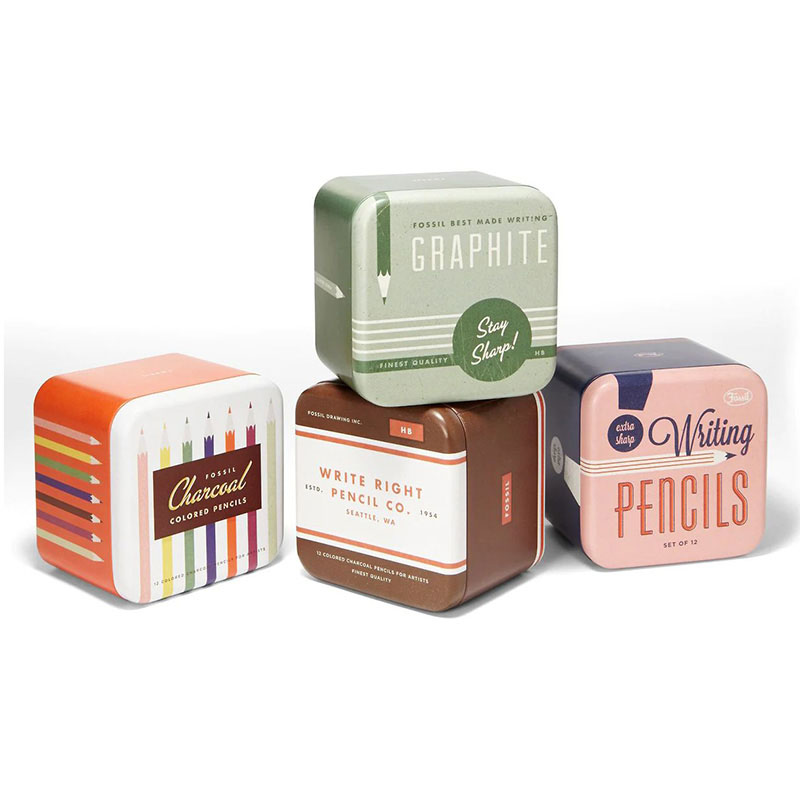
Estos contenedores están diseñados para facilitar el almacenamiento y la organización, con un diseño que permite apilarlos.De uso versátil, estos contenedores se pueden reutilizar para almacenar artículos o como piezas decorativas.Seleccione entre una variedad de tamaños, colores y diseños que se adapten perfectamente a sus necesidades específicas.Los contenedores cuentan con una estructura simple de tapa abatible con bisagras, que garantiza una apertura y cierre sin esfuerzo.Su construcción duradera de hojalata garantiza longevidad y resistencia al desgaste.
LEER MÁS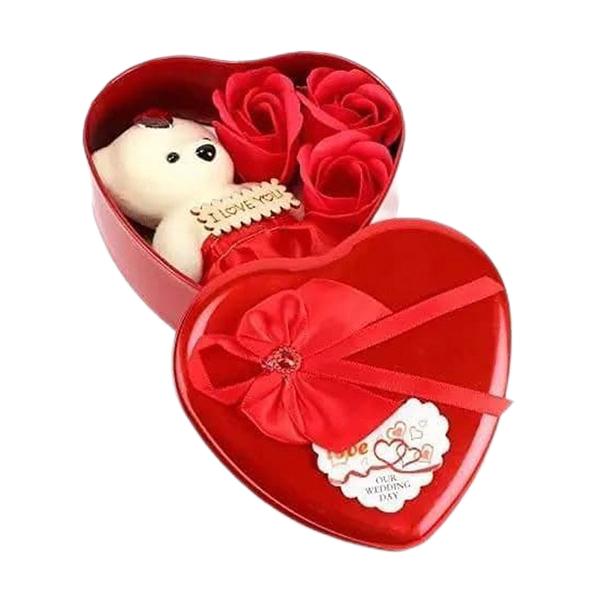
Independientemente del tipo de empaque, tenemos opciones de empaque de chocolate que satisfarán sus necesidades.Un sello hermético garantiza que las latas de chocolate se mantengan frescas durante un período prolongado.Las cajas de lata de chocolate están adornadas con diseños llamativos que las hacen fáciles de reconocer.La durabilidad y la calidad duradera de la lata de chocolate la convierten en una opción rentable para el envasado.La construcción robusta de las latas de chocolate las convierte en un recipiente ideal para protegerlas de roturas o aplastamientos.
LEER MÁS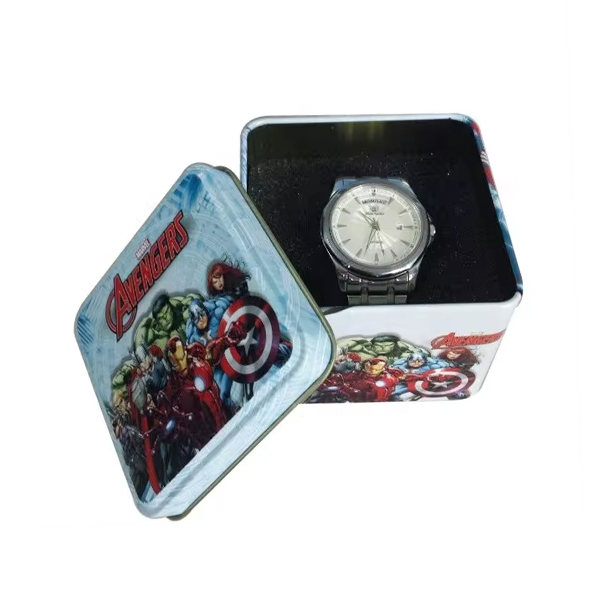
Estos contenedores están diseñados para facilitar el almacenamiento y la organización, con un diseño que permite apilarlos.De uso versátil, estos contenedores se pueden reutilizar para almacenar artículos o como piezas decorativas.Seleccione entre una variedad de tamaños, colores y diseños que se adapten perfectamente a sus necesidades específicas.Los contenedores cuentan con una estructura simple de tapa abatible con bisagras, que garantiza una apertura y cierre sin esfuerzo.Su construcción duradera de hojalata garantiza longevidad y resistencia al desgaste.
LEER MÁS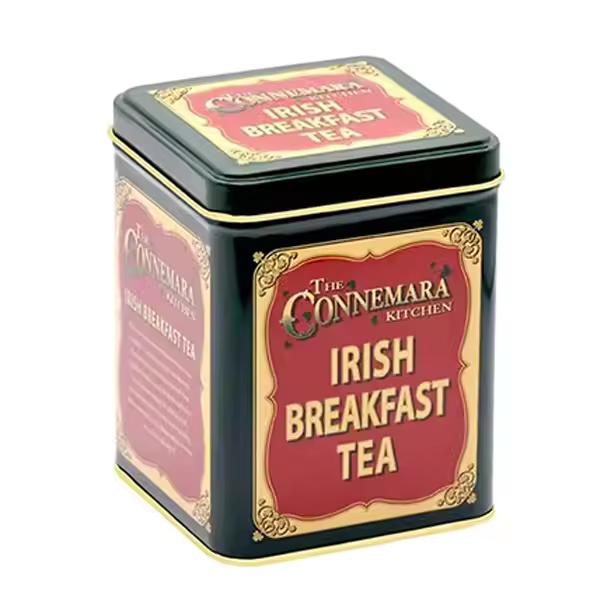
Sello hermético para mantener el café fresco por más tiempo.Ofrecer servicios integrales de envasado de café, desde el diseño hasta la producción, envasado y distribución.Marcas reconocidas que venden café en todo el mundo son nuestros clientes a largo plazo, como Twinings, Tetley, Bigelow.Una forma atractiva y llamativa de atreverse con sus productos de café.Equipos profesionales de impresión Pantone y de 4 colores, que crean colores impresos completos y vibrantes con diseños únicos.
LEER MÁS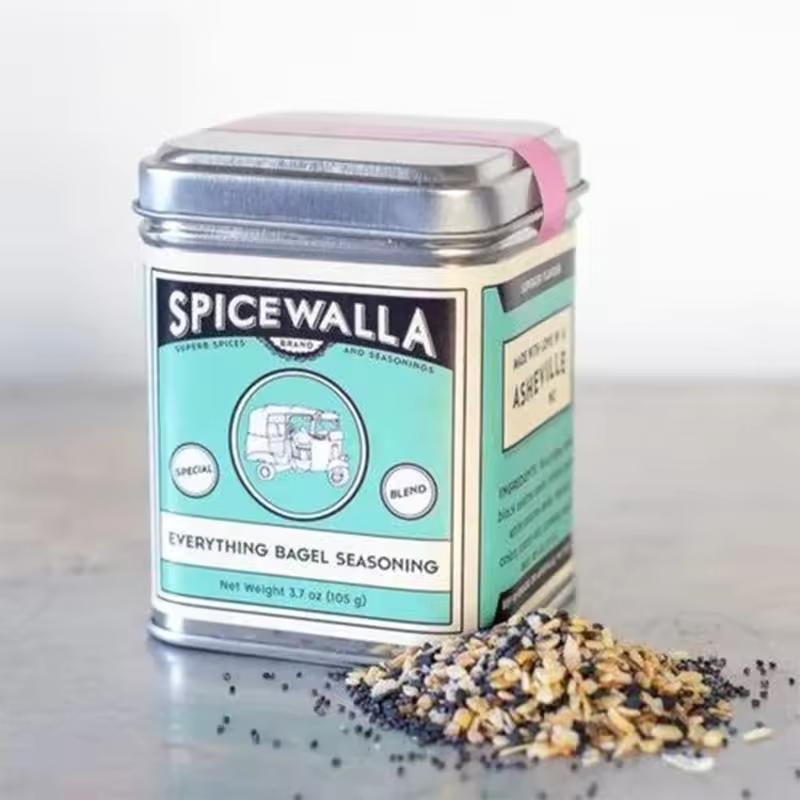
Establecido con más de 1000 juegos de moldes para latas de té en varios tamaños y formas, que ofrece una variedad de soluciones de embalaje.Ayuda a incrementar las ventas y darle a tus productos de té una apariencia más profesional.Lipton, Twinings y Tetley, conocidas marcas de té, siguen siendo nuestros fieles clientes.Las latas de té cuentan con hojalata de calidad alimentaria aprobada por la FDA con tapas ranuradas para garantizar que el té se mantenga fresco.Con Pantone profesional y equipos de impresión de 4 colores, el diseño de la lata de té es brillante y no destiñe durante mucho tiempo.
LEER MÁS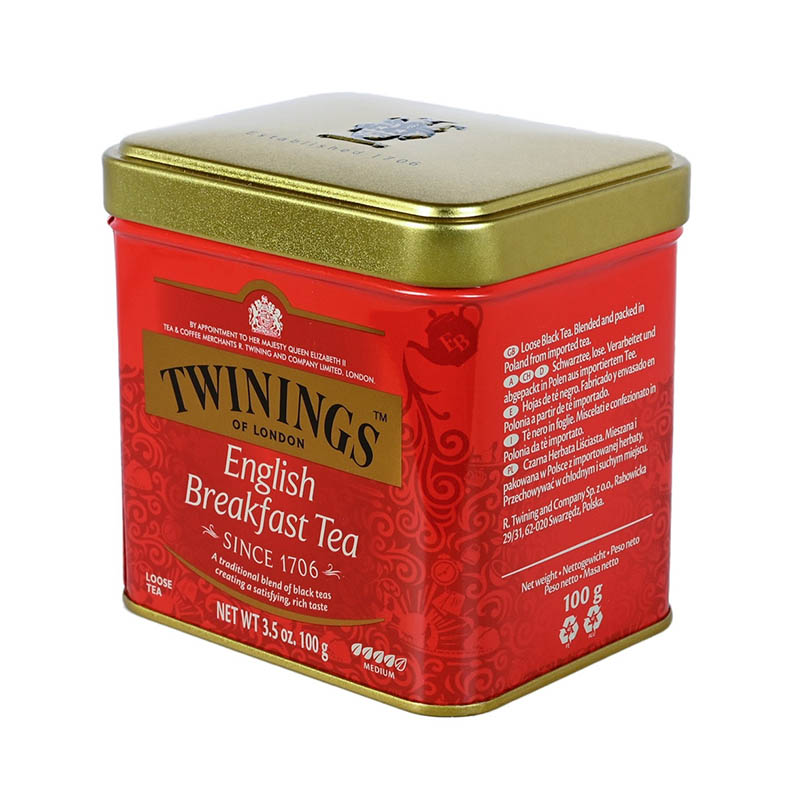
Sello hermético para mantener el café fresco por más tiempo.Ofrecer servicios integrales de envasado de café, desde el diseño hasta la producción, envasado y distribución.Marcas reconocidas que venden café en todo el mundo son nuestros clientes a largo plazo, como Twinings, Tetley, Bigelow.Una forma atractiva y llamativa de atreverse con sus productos de café.Equipos profesionales de impresión Pantone y de 4 colores, que crean colores impresos completos y vibrantes con diseños únicos.
LEER MÁS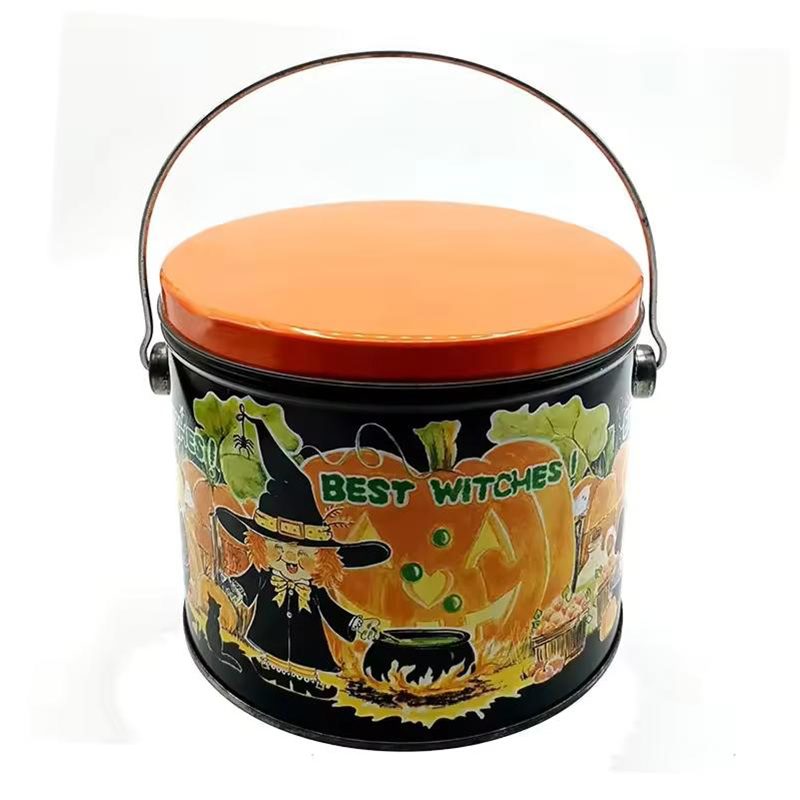
Nuestras opciones de empaque de galletas se pueden adaptar para cumplir con sus requisitos de empaque específicos.Para el almacenamiento prolongado de sus cookies, se pueden utilizar técnicas de sellado avanzadas.Privilegio de servir marcas de galletas reconocidas como Oreo, Keebler, Chips Ahoy y Pepperidge Farm.El embalaje de tus galletas es totalmente seguro para el contacto con alimentos ya que está fabricado en hojalata de primera calidad.Se emplea maquinaria profesional de impresión pantone y de 4 colores para garantizar la superioridad de las presentaciones en cajas de hojalata.
LEER MÁS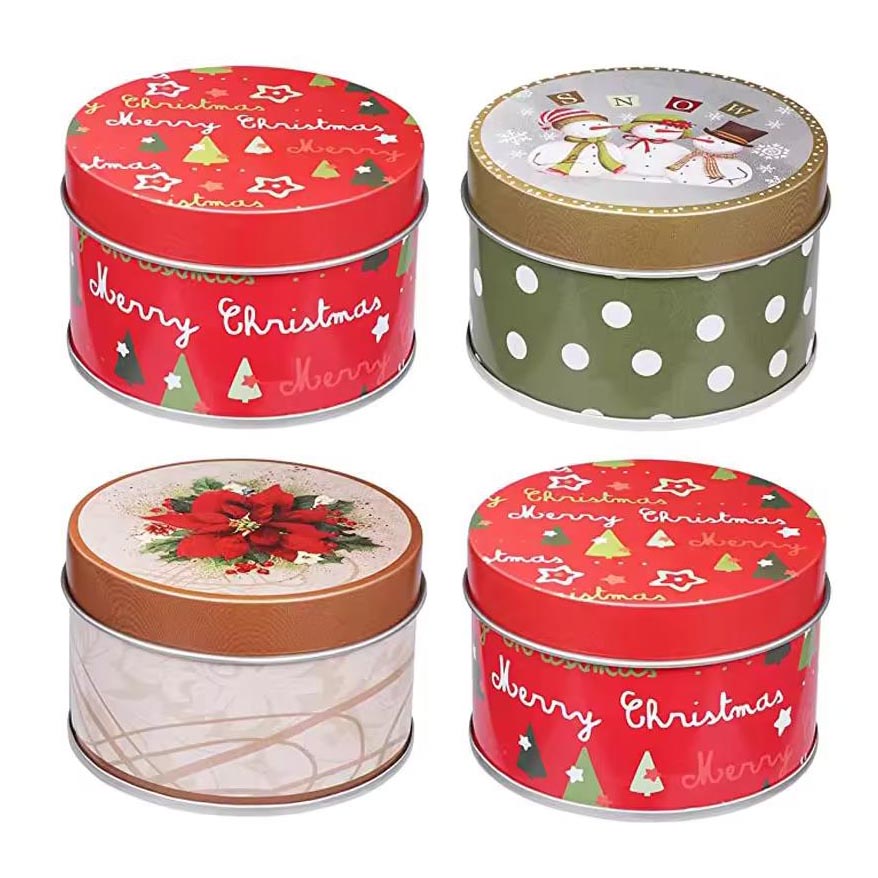
Ofrecemos opciones de embalaje de galletas que son adecuadas para todo tipo de embalaje.Se pueden utilizar técnicas de sellado avanzadas para garantizar un almacenamiento prolongado y la frescura de sus cookies.Con la capacidad de mantener fuera el aire y la humedad, las cajas de lata para galletas son perfectas para preservar la frescura.La lata para galletas es una opción de embalaje duradera y duradera, lo que la convierte en una opción rentable.Las cajas de lata para galletas están diseñadas con una variedad de formas y tamaños para satisfacer sus preferencias individuales.
LEER MÁS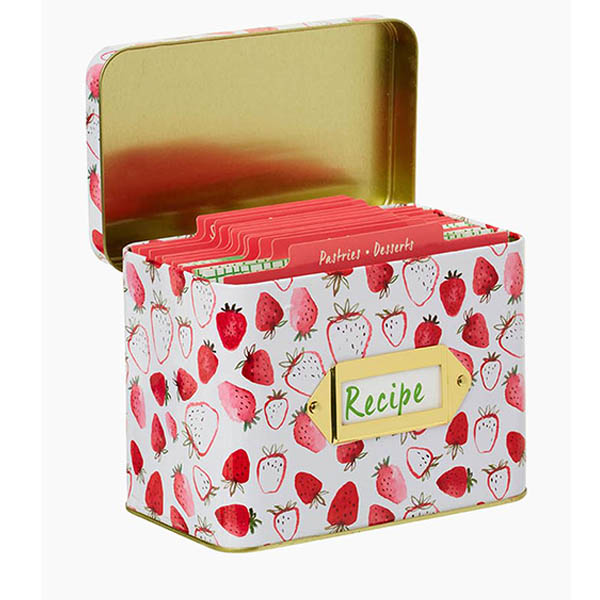
Independientemente de sus necesidades de embalaje, tenemos opciones adecuadas para el embalaje de recetas.Las técnicas de sellado eficaces prolongan la vida útil de almacenamiento de las tarjetas de recetas.Una caja de recetas física garantiza un acceso rápido a los favoritos.Personaliza la organización según tus preferencias.Utilizamos Pantone profesional e impresión a cuatro colores para presentaciones en cajas de hojalata de alta calidad.
LEER MÁS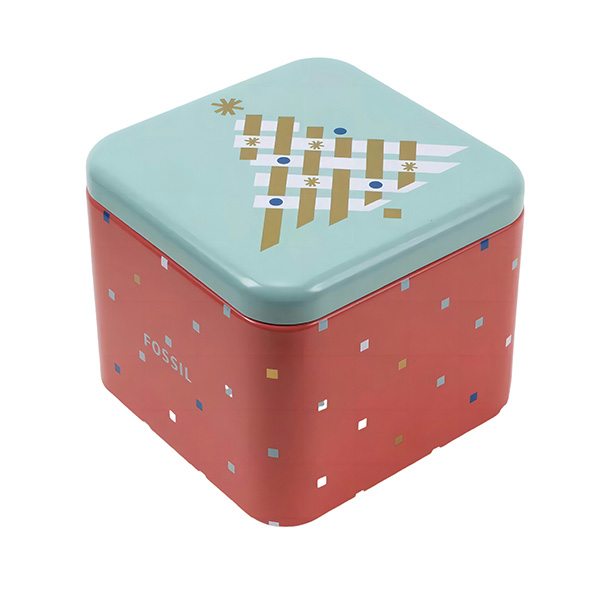
Estos contenedores están diseñados para facilitar el almacenamiento y la organización, con un diseño que permite apilarlos.De uso versátil, estos contenedores se pueden reutilizar para almacenar artículos o como piezas decorativas.Seleccione entre una variedad de tamaños, colores y diseños que se adapten perfectamente a sus necesidades específicas.Los contenedores cuentan con una estructura simple de tapa abatible con bisagras, que garantiza una apertura y cierre sin esfuerzo.Su construcción duradera de hojalata garantiza longevidad y resistencia al desgaste.
LEER MÁS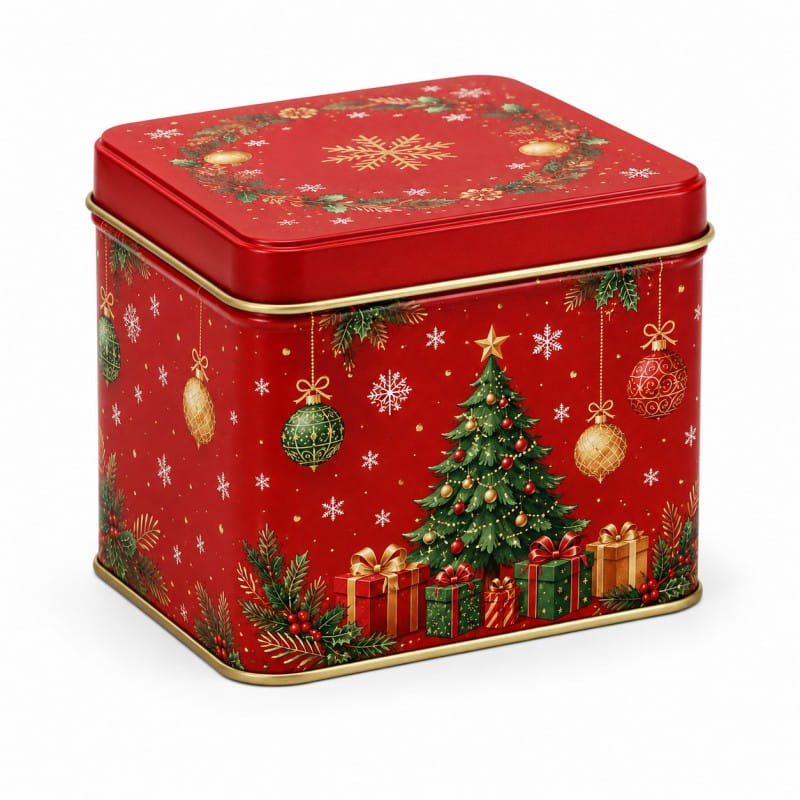
Estos contenedores están diseñados para facilitar el almacenamiento y la organización, con un diseño que permite apilarlos. De uso versátil, estos contenedores se pueden reutilizar para almacenar artículos o como piezas decorativas. Seleccione entre una variedad de tamaños, colores y diseños que se adapten perfectamente a sus necesidades específicas. Los contenedores cuentan con una estructura simple de tapa abatible con bisagras, que garantiza una apertura y cierre sin esfuerzo. Su construcción duradera de hojalata garantiza longevidad y resistencia al desgaste.
LEER MÁS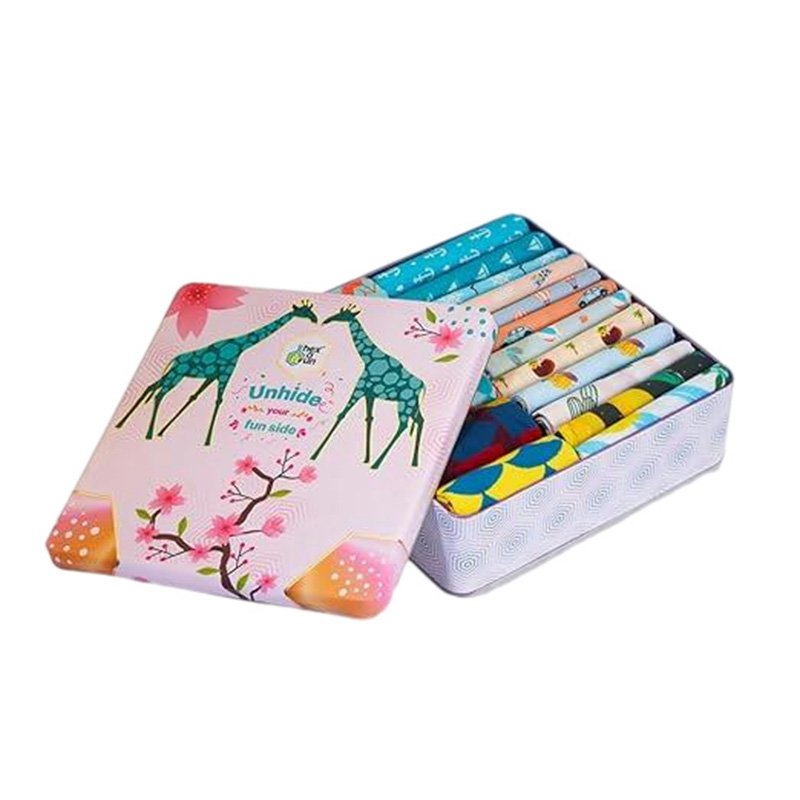
Estos contenedores están diseñados para facilitar el almacenamiento y la organización, con un diseño que permite apilarlos.De uso versátil, estos contenedores se pueden reutilizar para almacenar artículos o como piezas decorativas.Seleccione entre una variedad de tamaños, colores y diseños que se adapten perfectamente a sus necesidades específicas.Los contenedores cuentan con una estructura simple de tapa abatible con bisagras, que garantiza una apertura y cierre sin esfuerzo.Su construcción duradera de hojalata garantiza longevidad y resistencia al desgaste.
LEER MÁS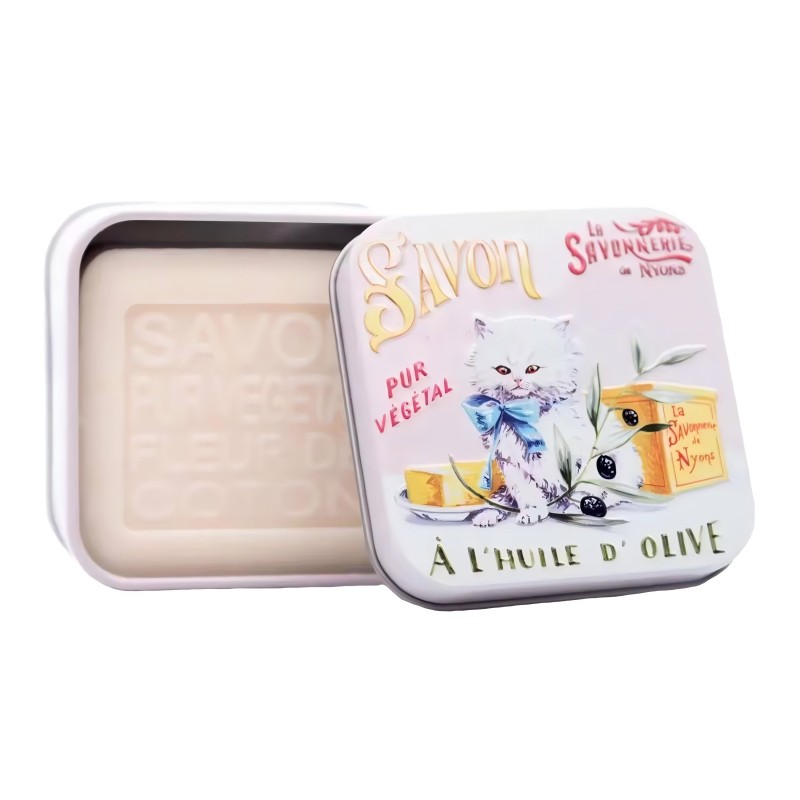
Una caja de lata de jabón es una solución de embalaje duradera y ecológica, perfecta para almacenar y proteger el jabón. Su resistente construcción de metal mantiene el jabón seco e intacto, mientras que su diseño compacto es ideal para viajar. Disponible en varios estilos y opciones personalizables, agrega un toque de elegancia a su rutina de cuidado personal.
LEER MÁS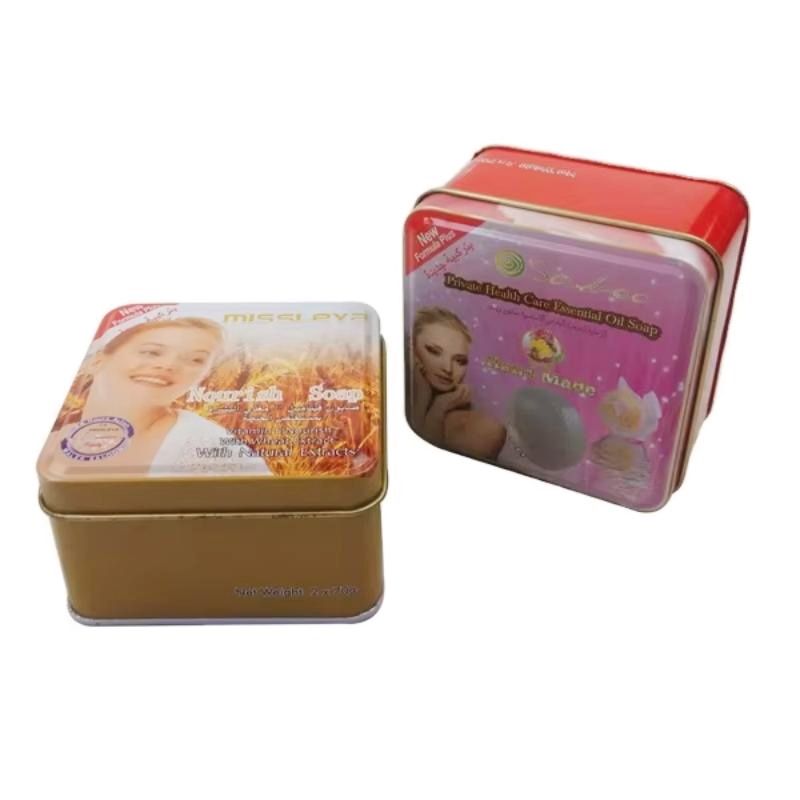
Una caja de lata de jabón ofrece una solución de embalaje duradera y ecológica que almacena y protege eficazmente su jabón. Su robusta construcción metálica mantiene el jabón seco e intacto, lo que lo hace perfecto para viajar. Con opciones personalizables y varios diseños elegantes, agrega un toque de sofisticación a su rutina de cuidado personal.
LEER MÁS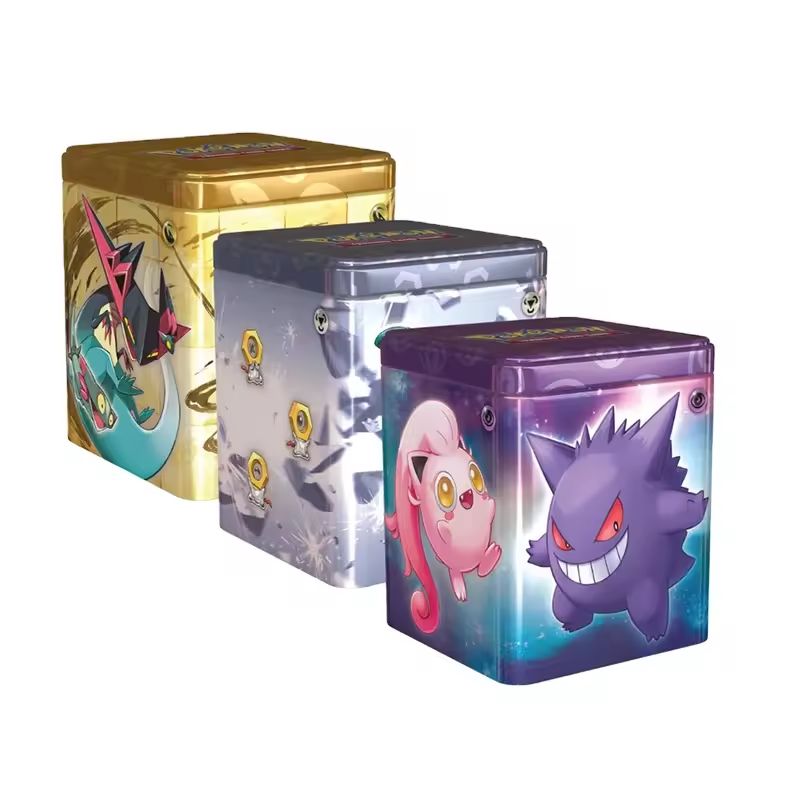
Una lata de dulces es una solución de embalaje elegante y práctica, ideal para conservar la frescura y el sabor de sus dulces. Su robusta construcción de metal garantiza que el contenido permanezca seguro, mientras que su tamaño compacto lo hace perfecto para llevar golosinas mientras viaja. Disponible en varios diseños y opciones personalizables, realza el atractivo de sus dulces y lo convierte en una deliciosa opción de regalo.
LEER MÁS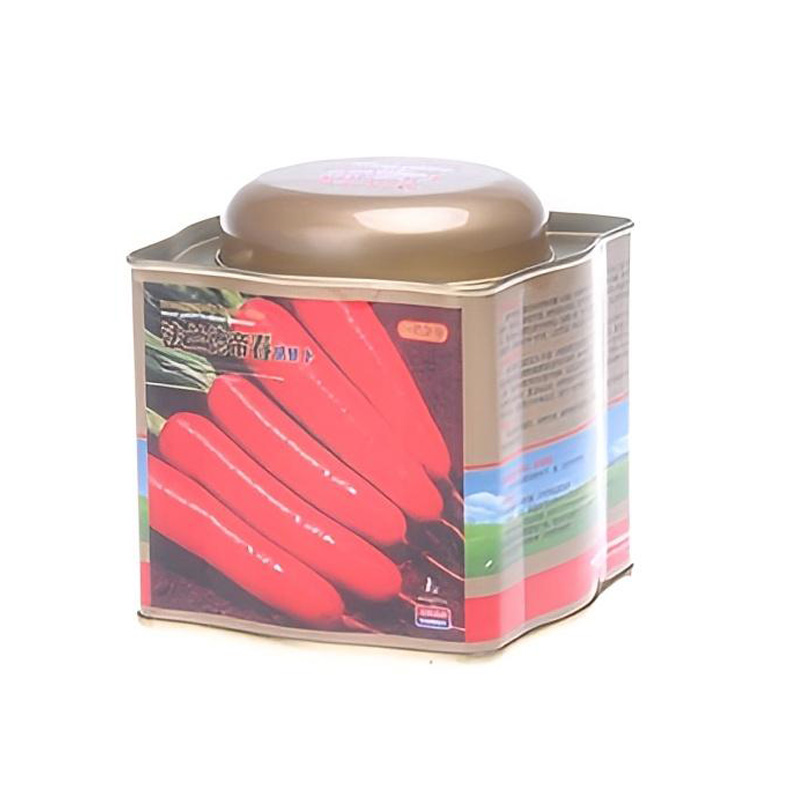
Explore nuestra caja de lata de té con doble tapa, diseñada para brindar protección y frescura adicionales. El sistema de doble tapa garantiza un cierre hermético, manteniendo las hojas de té en su mejor estado. Con diseños personalizables, ofrece calidad superior y una apariencia única y elegante para las marcas y entusiastas del té.
LEER MÁS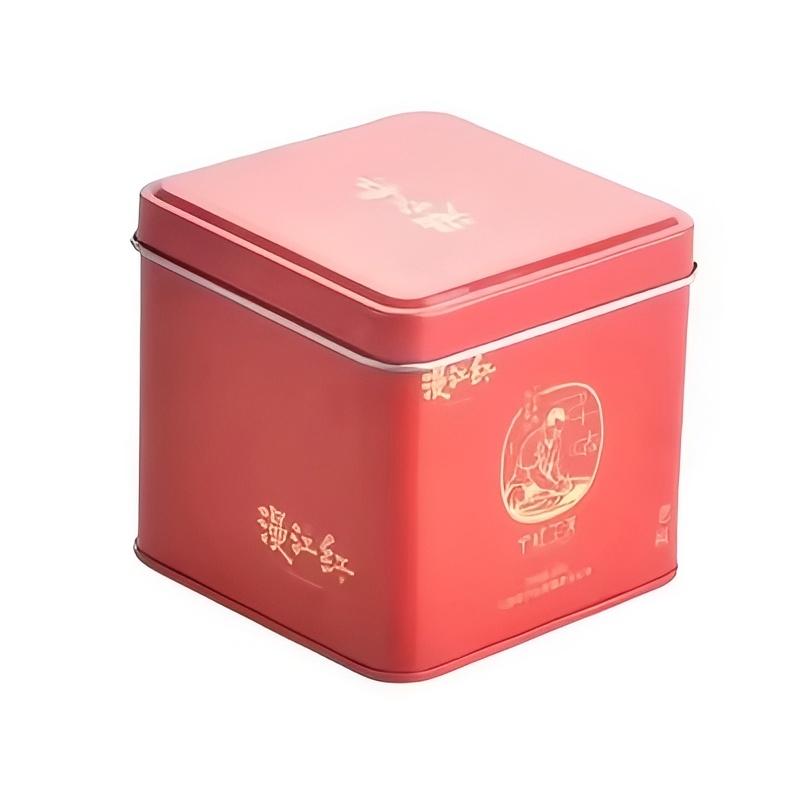
Descubra nuestras cajas de lata de té premium, diseñadas para preservar la frescura y el sabor. Con tamaños y diseños personalizables, nuestras latas de alta calidad ofrecen funcionalidad y elegancia, lo que las hace perfectas tanto para los amantes del té como para las marcas.
LEER MÁS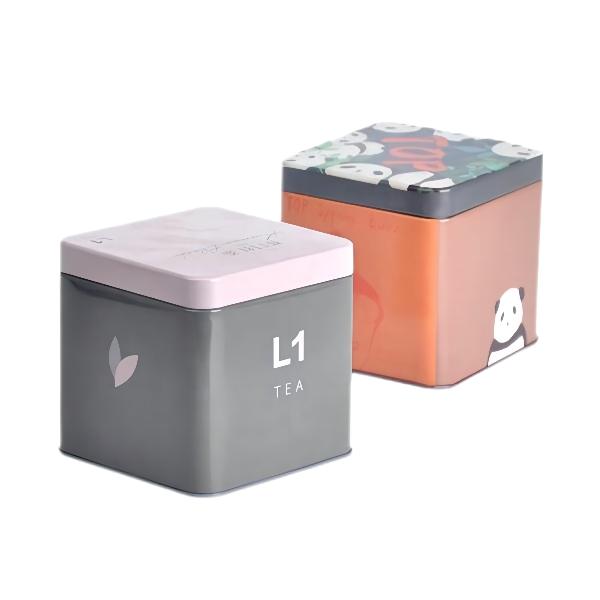
Atractivo y puede añadir un toque decorativo a cualquier cocina.Variedad de colores y diseños, permitiéndote elegir el que mejor se adapta a tu estilo.Ligero y fácil de transportar, lo que lo hace ideal para envíos y venta minorista.Opción ecológica, ya que se pueden reciclar o reutilizar.Soporte de equipos de impresión profesionales personalizados con el logotipo o diseño de su marca.
LEER MÁS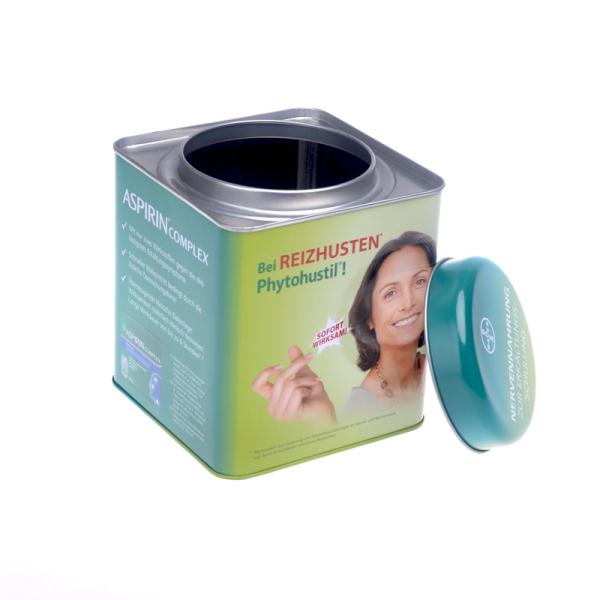
Sello hermético para mantener tu té fresco y sabroso. Variedad de tamaños para acomodar cualquier cantidad de té. y café. Reutilizado, para que puedas disfrutar de tu té favorito una y otra vez. Ideales para regalar, ya que se pueden personalizar con etiquetas o pegatinas. Mantener las bolsitas de té organizadas y de fácil acceso.
LEER MÁS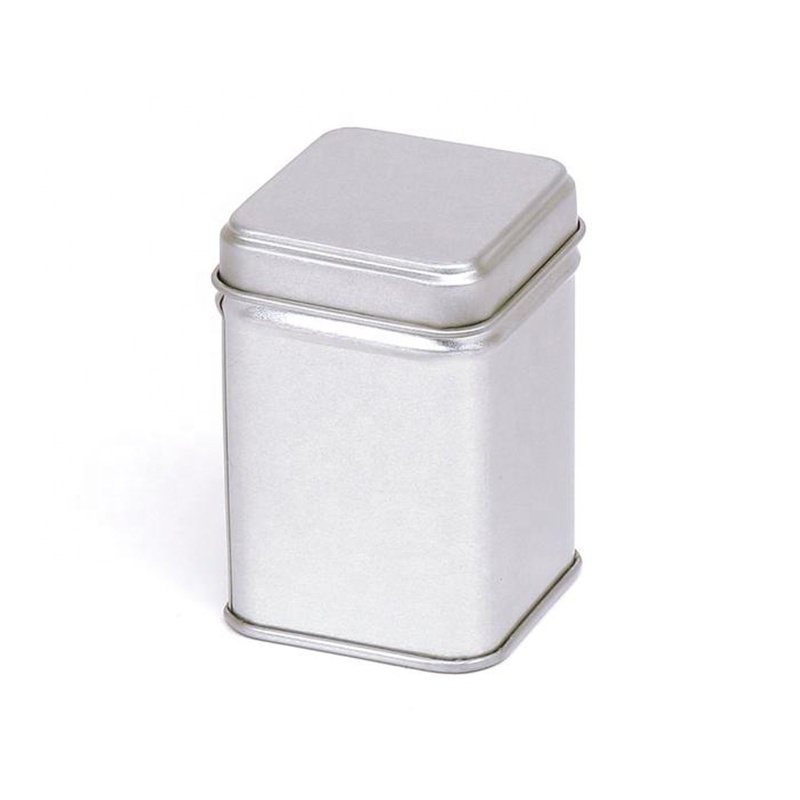
Establecido con más de 1000 juegos de moldes para latas de té en varios tamaños y formas, que ofrece una variedad de soluciones de embalaje.Ayuda a incrementar las ventas y darle a tus productos de té una apariencia más profesional.Lipton, Twinings y Tetley, conocidas marcas de té, siguen siendo nuestros fieles clientes.Las latas de té cuentan con hojalata de calidad alimentaria aprobada por la FDA con tapas ranuradas para garantizar que el té se mantenga fresco.Con Pantone profesional y equipos de impresión de 4 colores, el diseño de la lata de té es brillante y no destiñe durante mucho tiempo.
LEER MÁS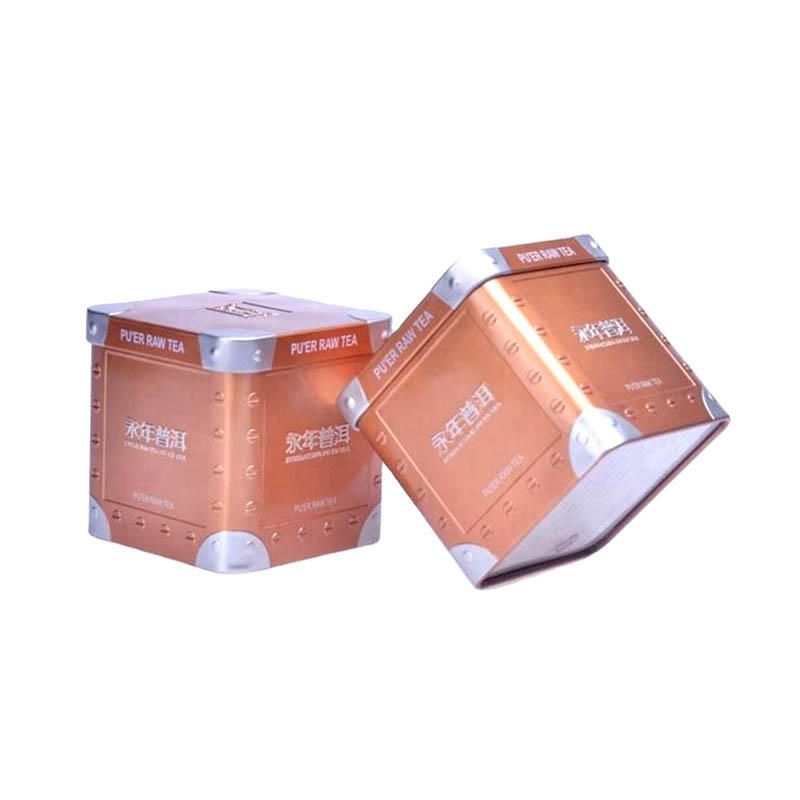
Ofrecemos una variedad de opciones de empaque de botes de té para mejorar la calidad de su té.Utilice un proceso de doble sellado para garantizar que el té esté completamente sellado.Cooperamos con marcas destacadas como Lipton, Twinings y Tetley desde hace muchos años.Proporcione hojalata de primera categoría que tenga una ductilidad excepcional, lo que le permitirá crear cualquier forma de lata de té que pueda imaginar.Diseñado con un sello hermético para mantener tu té fresco y sabroso.
LEER MÁS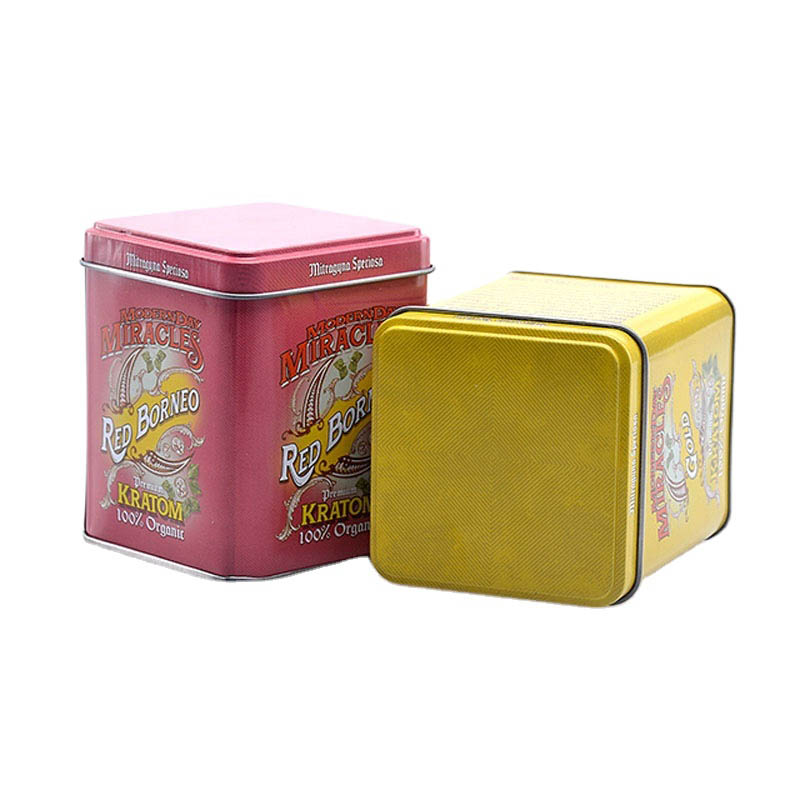
No importa qué tipo de solución de envasado de té necesite, le ofrecemos la solución perfecta.Las latas de té son una excelente manera de almacenar tu té favorito y mantenerlo fresco por más tiempo.Marcas líderes como Lipton, Twinings y Tetley son nuestros socios a largo plazo.Fabricada con hojalata de alta calidad aprobada por la FDA, la capa interna de estaño ayuda a proteger el té de la contaminación.Con nuestro avanzado equipo de impresión Pantone y de cuatro colores, su lata de té captará fácilmente la atención de sus clientes.
LEER MÁS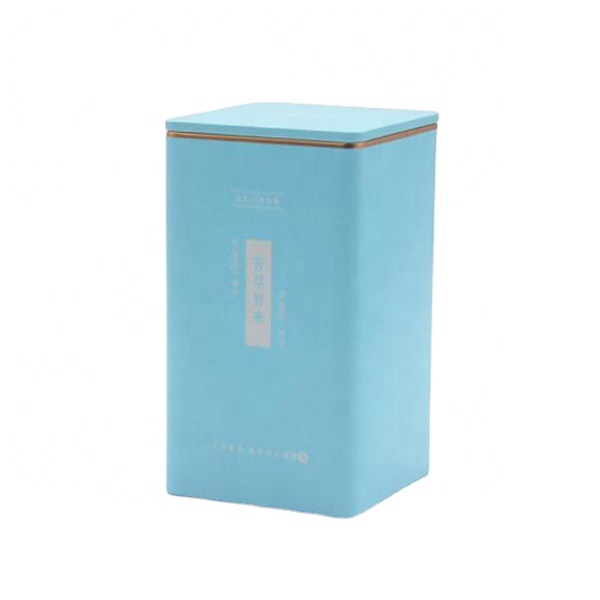
Disponemos de una serie de soluciones de envasado de latas de té para que usted elija.El proceso mejorado proporcionará un sellado eficaz y un almacenamiento a largo plazo para su té.Las mejores marcas de té como Lipton, Twinings y Tetley son nuestros clientes leales.El empaque del té está hecho con hojalata de calidad alimentaria aprobada por la FDA para garantizar la máxima seguridad.Equipo de impresión profesional para presentar perfectamente el diseño del empaque de la lata de té.
LEER MÁS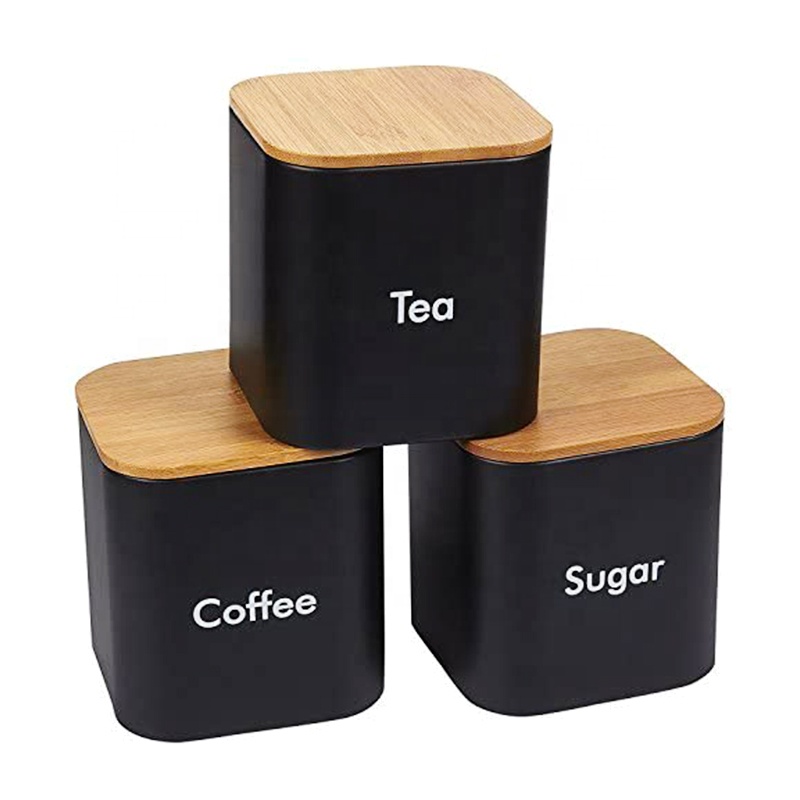
Contamos con una gran variedad de opciones de empaque de latas de té para que usted elija.El proceso avanzado proporcionará un sello seguro y una vida útil prolongada para su té.Entre nuestros clientes leales se incluyen Lipton, Twinings y Tetley, reconocidas marcas de té.Utilice hojalata de calidad alimentaria aprobada por la FDA para envasar té para garantizar la máxima seguridad.Diseñado con una tapa hermética para mantener el aire afuera y mantener el excelente sabor del té.
LEER MÁS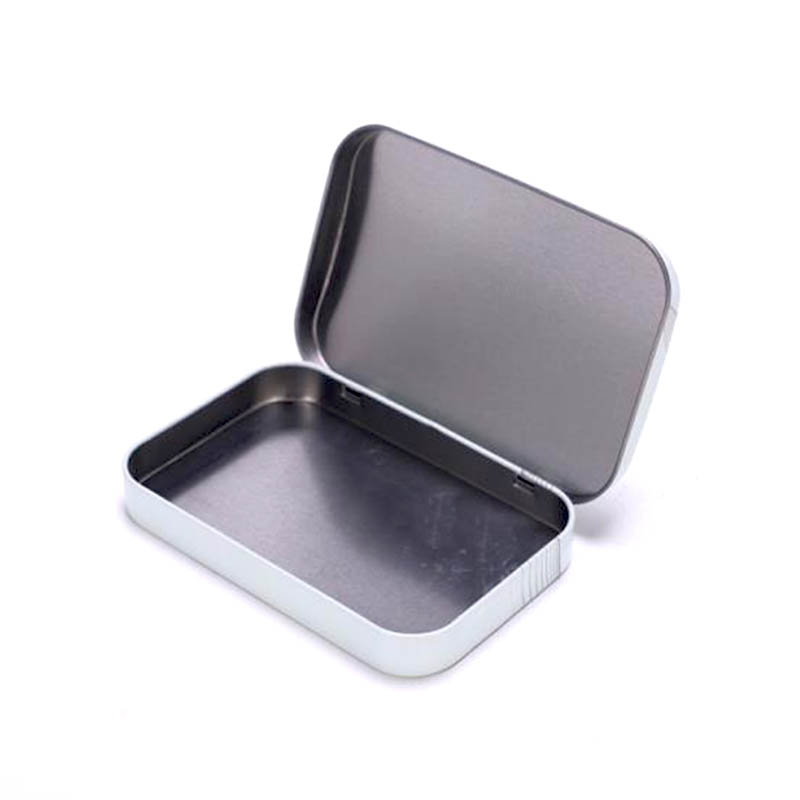
Cualquiera que sea el tipo de solución de envasado de lata de chicle de menta que necesite, le ofrecemos la opción adecuada.El proceso avanzado le dará a su menta un buen sellado y un almacenamiento a largo plazo.Nuestros clientes leales incluyen Mentos, Tic Tac, Altoids y marcas de té de renombre.Elija hojalata aprobada por la FDA y diseñada específicamente para envasado de alimentos.Equipos de impresión de la más alta calidad para mostrar perfectamente el diseño de su empaque de lata de caramelo de menta.
LEER MÁS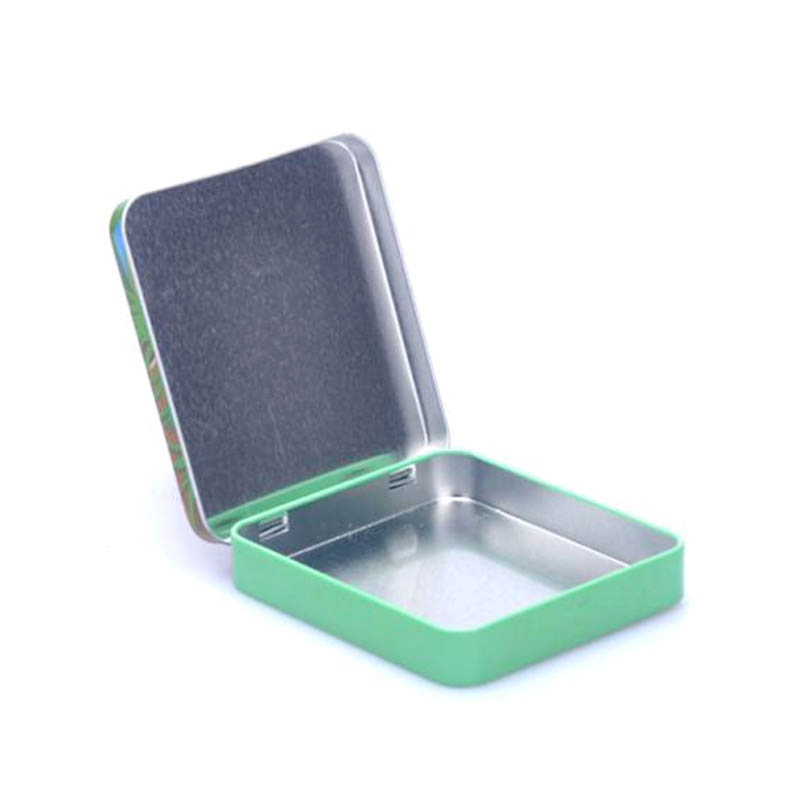
Opción ecológica, ya que están fabricadas con materiales reciclados. El proceso mejorado proporcionará un sellado eficaz y un almacenamiento a largo plazo para su cigarro. Las mejores marcas de cigarros como Marlboro, Camel, Winston son nuestros clientes leales. Fabricado con hojalata de calidad alimentaria aprobada por la FDA para garantizar la máxima seguridad. Equipo de impresión profesional para presentar perfectamente el diseño del empaque de su caja de cigarrillos.
LEER MÁS
Se puede personalizar con diseños y logotipos personalizados.Excelente manera de promocionar su negocio o marca.Organiza y almacena artículos de forma ordenada y ordenada.Hecho de metal duradero, lo que los hace duraderos y confiables.Forma atractiva de empaquetar y presentar artículos promocionales.
LEER MÁS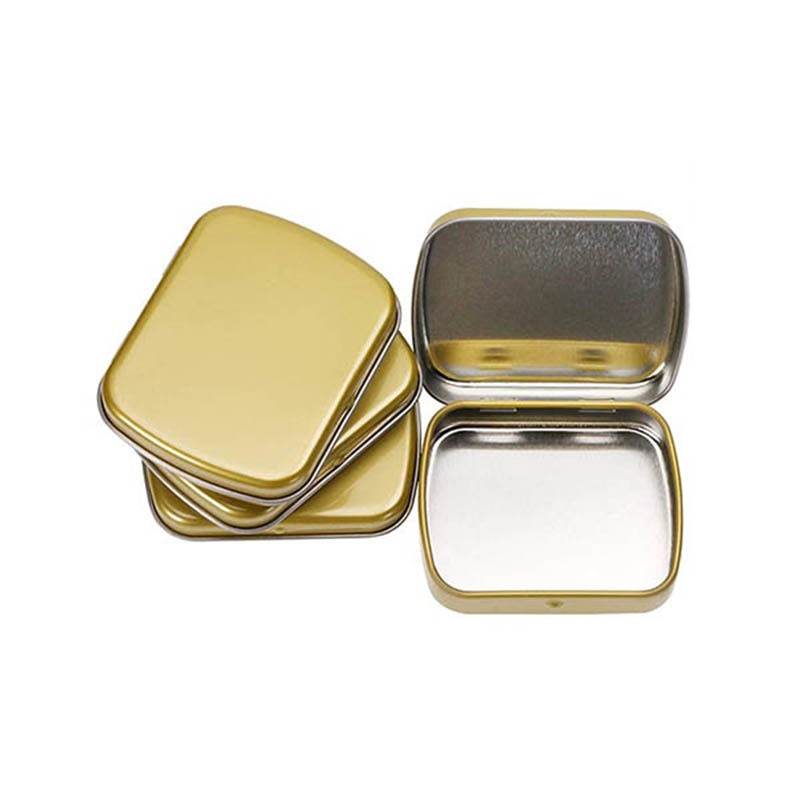
Se puede utilizar para almacenar una variedad de artículos, desde mentas hasta joyas.Personalizado con su propio logotipo, diseño o mensaje.Metal duradero y está diseñado para durar años.Gran manera de dar un regalo o regalo especial.La estructura hermética y sellada mantiene los artículos a salvo del polvo y la suciedad.
LEER MÁS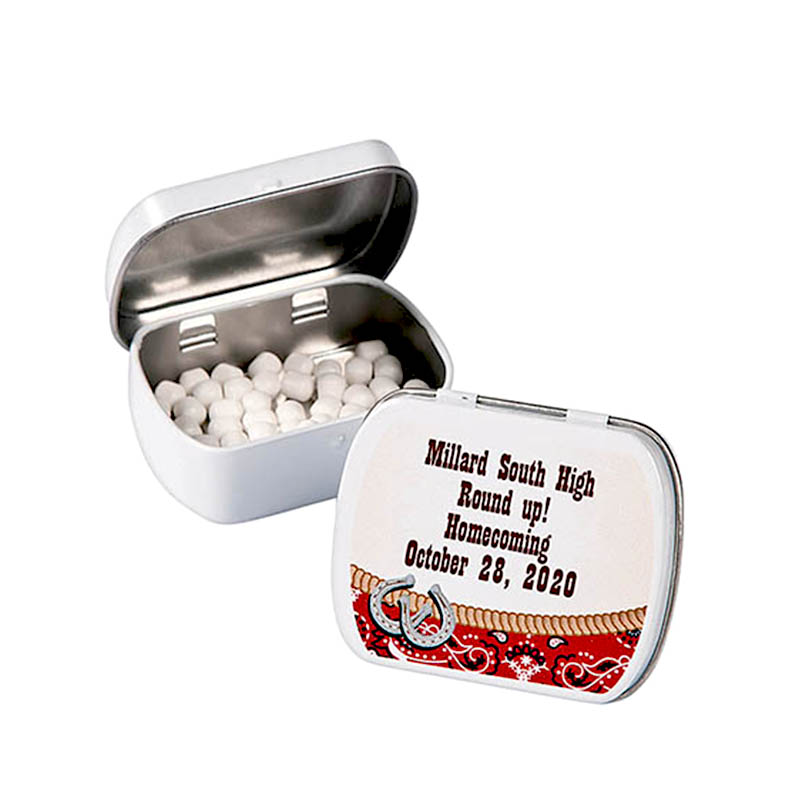
Fáciles de abrir y cerrar, lo que los hace convenientes para el uso diario.Gran manera de añadir un toque personal a cualquier regalo.Fabricados en metal duradero, lo que los hace duraderos.Variedad de formas y tamaños, haciéndolos perfectos para cualquier necesidad.Una forma asequible y atractiva de almacenar y organizar objetos pequeños.
LEER MÁS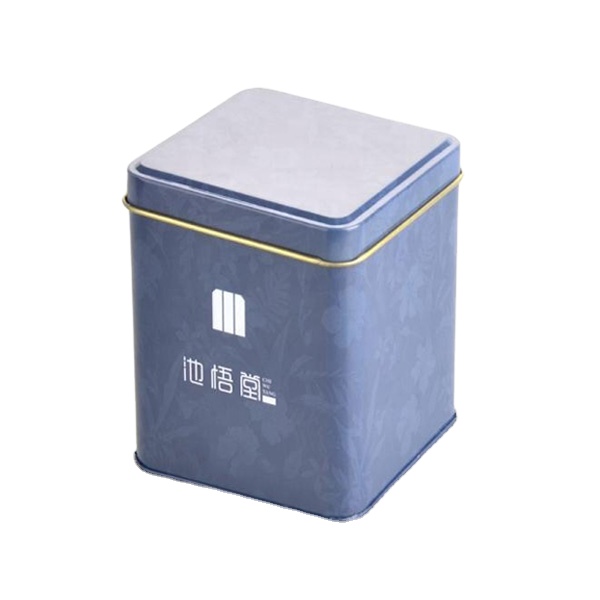
Sello hermético para mantener el café fresco por más tiempo.Ofrecer servicios integrales de empaque de café, desde el diseño hasta la producción, empaque y distribución.Marcas reconocidas que venden café en todo el mundo son nuestros clientes a largo plazo, como Twinings, Tetley, Bigelow.Una forma atractiva y llamativa de atreverse con sus productos de café.Equipos profesionales de impresión Pantone y de 4 colores, que crean colores impresos completos y vibrantes con diseños únicos.
LEER MÁS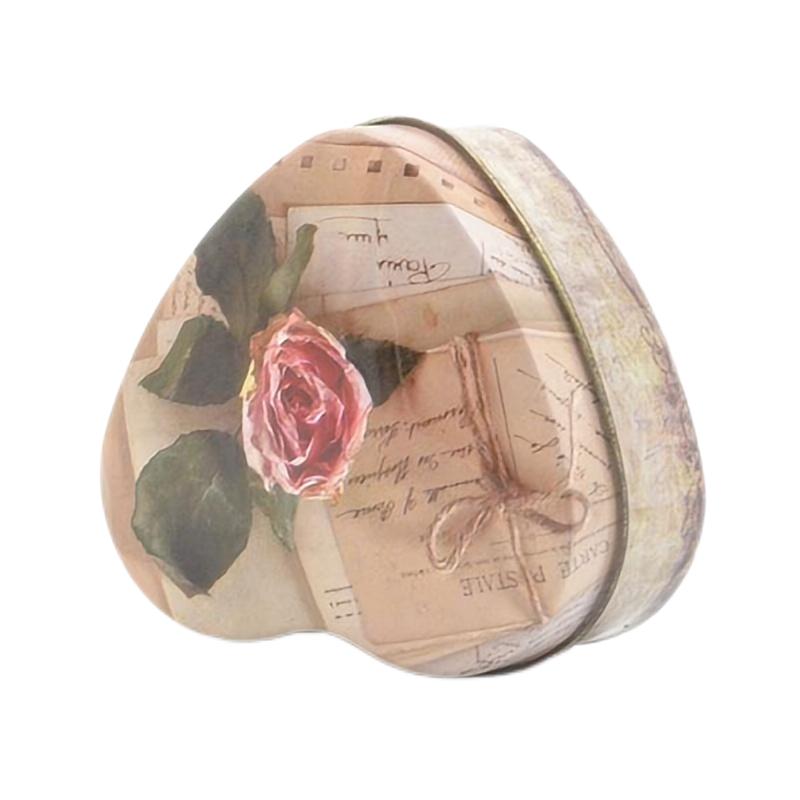
Independientemente del tipo de empaque, tenemos opciones de empaque de chocolate que satisfarán sus necesidades.Un sello hermético garantiza que las latas de chocolate se mantengan frescas durante un período prolongado.Las cajas de lata de chocolate están adornadas con diseños llamativos que las hacen fáciles de reconocer.La durabilidad y la calidad duradera de la lata de chocolate la convierten en una opción rentable para el envasado.La construcción robusta de las latas de chocolate las convierte en un recipiente ideal para protegerlas contra roturas o aplastamientos.
LEER MÁS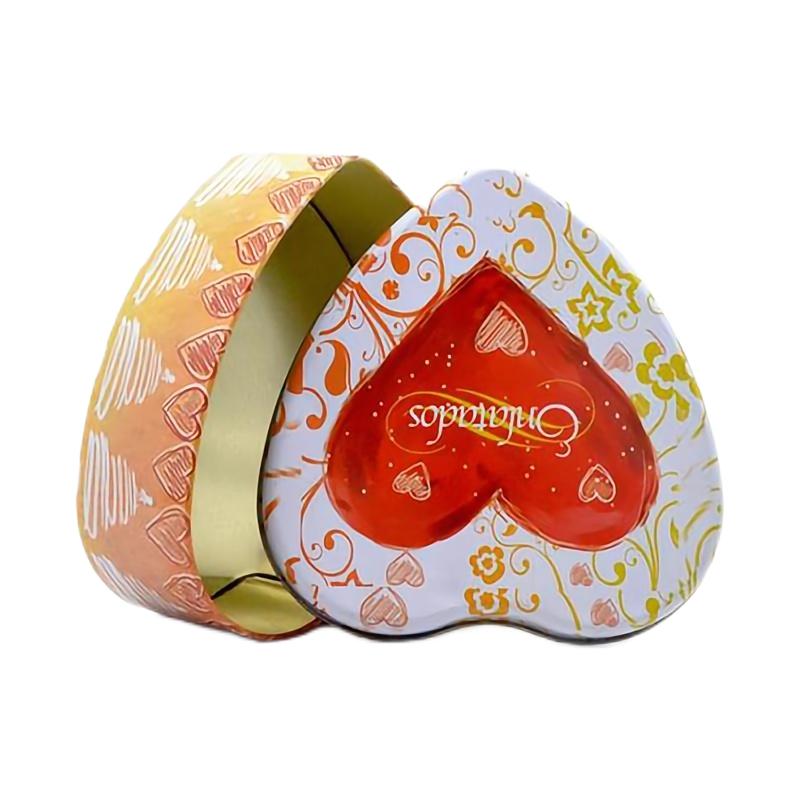
Independientemente del tipo de embalaje, ofrecemos opciones adecuadas para sus necesidades de embalaje de dulces.Al utilizar técnicas avanzadas, puede lograr un sellado eficiente y extender la vida útil de almacenamiento de sus dulces.Entre nuestros clientes fieles se encuentran marcas de galletas destacadas como Oreo, Keebler, Chips Ahoy y Pepperidge Farm.Utilizamos hojalata de primera calidad apta para el contacto directo con alimentos, garantizando que el embalaje de sus galletas sea totalmente seguro.Nuestro uso de equipos profesionales de impresión Pantone y de cuatro colores garantiza una calidad y presentación excepcionales de las cajas de hojalata.
LEER MÁS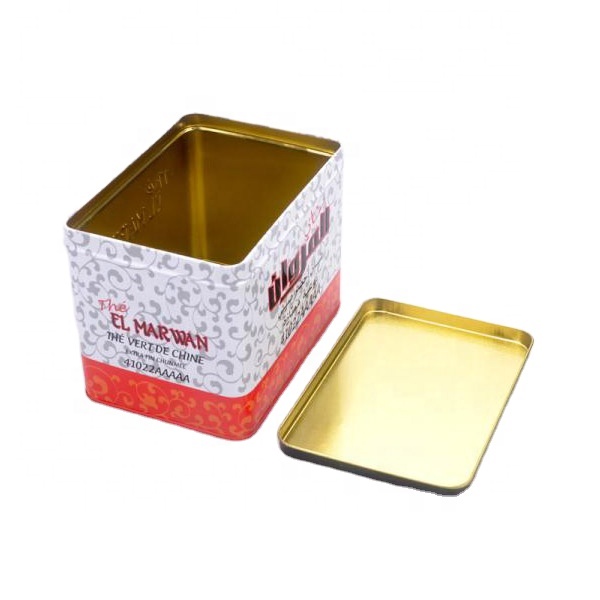
Podemos ofrecerle opciones de embalaje de galletas que sean adecuadas para cualquier tipo de embalaje.Se pueden utilizar técnicas de sellado sofisticadas para garantizar que las galletas se mantengan frescas por más tiempo.Estamos orgullosos de tener clientes leales como Oreo, Keebler, Chips Ahoy y Pepperidge Farm.En el embalaje de sus galletas se utiliza hojalata de primera calidad, que es segura para el contacto con alimentos, lo que garantiza su seguridad.La calidad de las presentaciones en cajas de hojalata está garantizada a través de la maquinaria profesional de impresión pantone y 4 colores.
LEER MÁS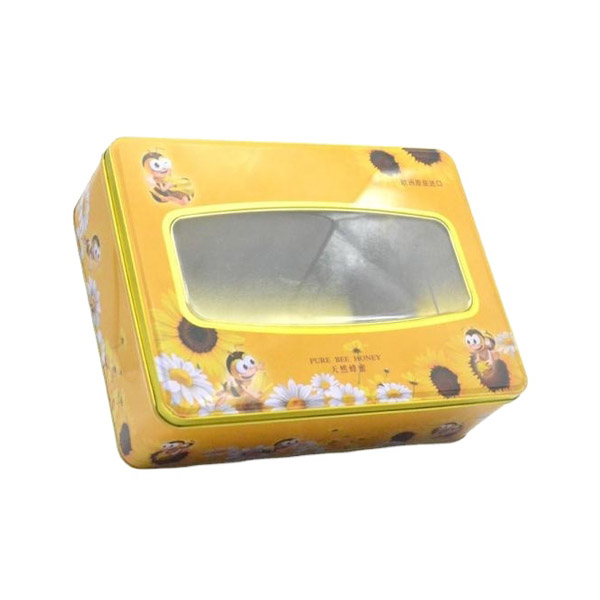
Contamos con opciones de empaque de galletas que son adecuadas para una amplia gama de tipos de empaque.Se pueden emplear técnicas sofisticadas de sellado para permitir un almacenamiento más prolongado de sus cookies.Nuestra lista de clientes leales incluye marcas de galletas famosas como Oreo, Keebler, Chips Ahoy y Pepperidge Farm.El uso de hojalata de primera calidad para contacto con alimentos garantiza la seguridad del embalaje de sus galletas.La calidad de las presentaciones en cajas de hojalata está asegurada mediante el uso de maquinaria profesional de impresión pantone y 4 colores.
LEER MÁS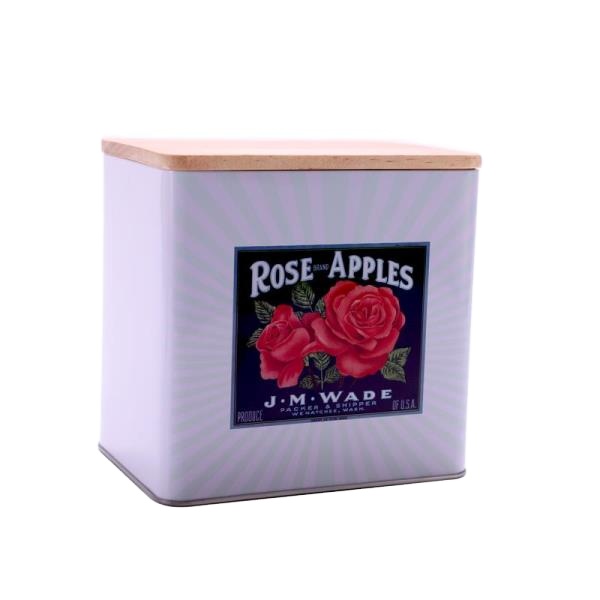
Tenemos una variedad de opciones de empaque de dulces disponibles para satisfacer sus necesidades de empaque.Se puede lograr un sellado eficaz y un almacenamiento prolongado de sus cookies mediante técnicas avanzadas.Las galletas se mantienen frescas por más tiempo en cajas de hojalata, ya que están diseñadas para bloquear el aire y la humedad.Los envases de hojalata para galletas son una opción confiable e higiénica para el envasado de alimentos, ya que se pueden limpiar y desinfectar fácilmente.Las cajas de lata para galletas ofrecen una amplia selección de formas y tamaños para satisfacer sus preferencias específicas.
LEER MÁS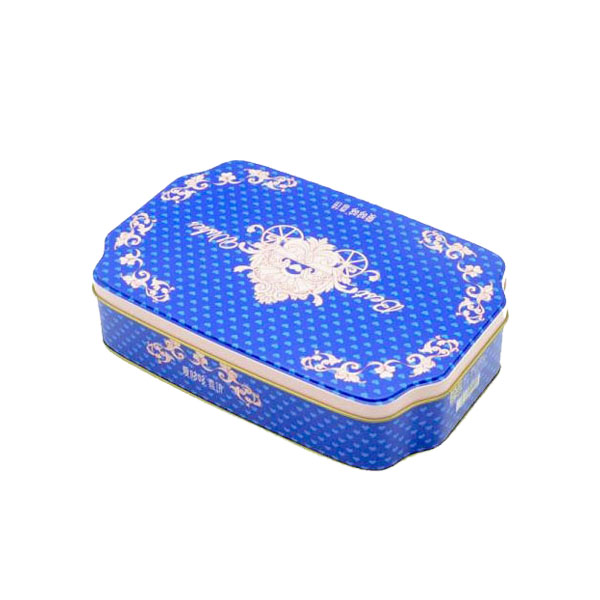
Independientemente del tipo de embalaje que necesite, tenemos opciones de embalaje de chocolate que funcionarán para usted.El cierre hermético de las latas de chocolate ayuda a mantener la frescura del chocolate durante más tiempo.El hecho de que las cajas de lata de chocolate se puedan reutilizar varias veces las convierte en una opción sostenible.La durabilidad de la lata de chocolate garantiza que sea una opción de envasado rentable y duradera.Las latas de chocolate están hechas de un material duradero que protege el chocolate contra roturas o aplastamientos.
LEER MÁS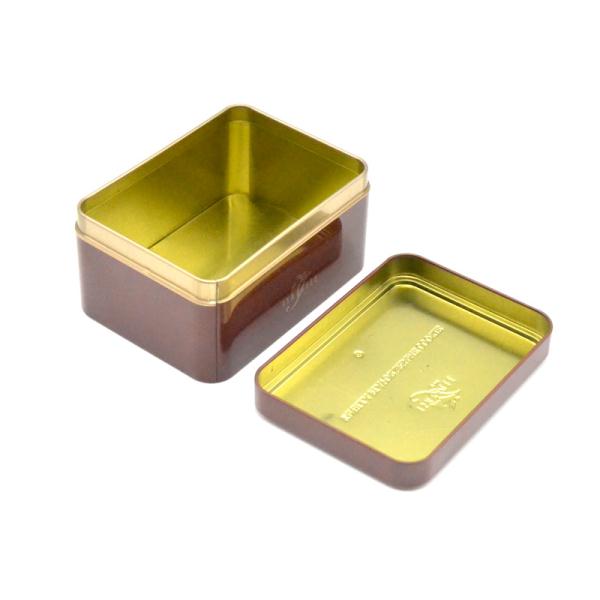
Disponemos de opciones de embalaje de chocolate que son adecuadas para una amplia gama de materiales de embalaje.Las latas de chocolate están equipadas con un sello hermético que garantiza su frescura durante un período prolongado.Las cajas de lata de chocolate son una opción ecológica, ya que se pueden usar varias veces antes de desecharlas.Con sus cualidades duraderas y duraderas, la lata de chocolate es una opción económica para el envasado.El material robusto de las latas de chocolate garantiza que estén protegidas contra roturas o aplastamientos.
LEER MÁS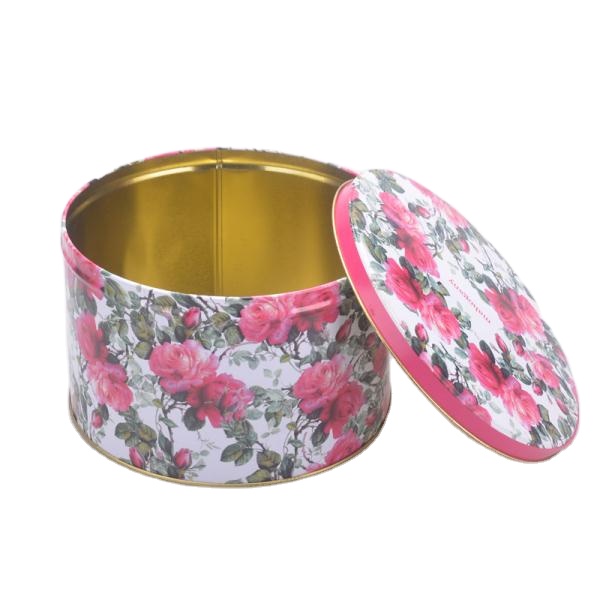
Ofreciendo una variedad de opciones de empaques para chocolate que se adaptan a sus necesidades, sin importar el tipo de empaque.Mediante el uso de técnicas sofisticadas, se garantiza un sellado eficaz y se prolonga el almacenamiento del chocolate.Marcas de renombre como Oreo, Keebler, Chips Ahoy y Pepperidge Farm se encuentran entre nuestros clientes leales.La hojalata de primera calidad garantiza que su embalaje sea totalmente seguro para el contacto con alimentos.La maquinaria profesional de impresión pantone y 4 colores garantiza presentaciones en cajas de hojalata de calidad superior.
LEER MÁS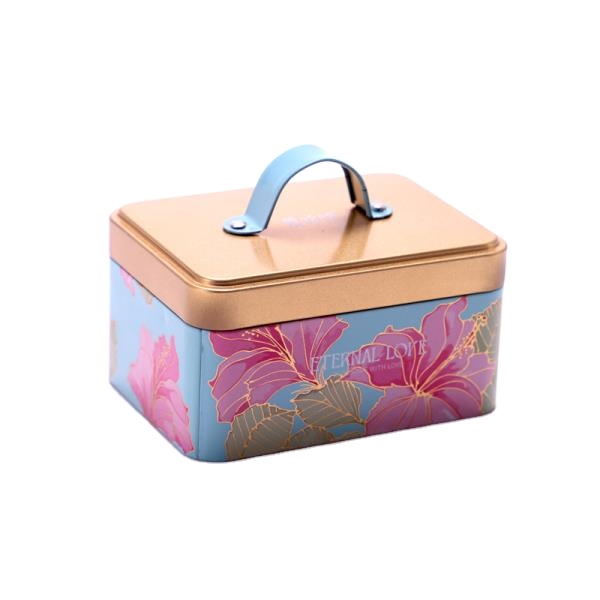
Nuestras opciones de empaque de galletas están diseñadas para satisfacer sus necesidades de empaque específicas.Las técnicas avanzadas de sellado pueden garantizar un almacenamiento prolongado de sus cookies y mantenerlas frescas.Las cajas de lata para galletas tienen una amplia gama de usos más allá del simple almacenamiento de galletas, como guardar nueces y dulces.La capacidad de limpiar y desinfectar fácilmente los envases de hojalata para galletas los convierte en una opción higiénica para los envases de alimentos.La variedad de formas y tamaños de cajas de lata para galletas garantiza que haya algo para sus preferencias.
LEER MÁS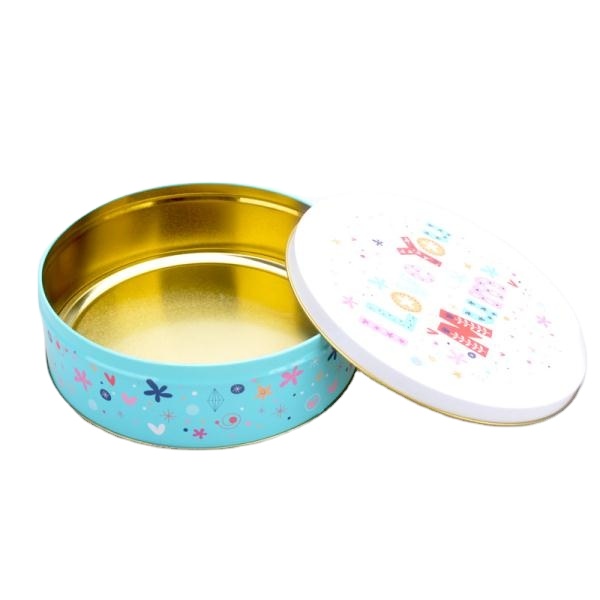
Disponemos de una amplia gama de opciones de envases de caramelos que se adaptan a cualquier tipo de envase.El cierre hermético de las latas de caramelos es fundamental para mantener la frescura durante más tiempo.Los diseños vívidos y llamativos de las cajas de lata de dulces las hacen fáciles de identificar.Los envases de lata para dulces son una opción ideal para el envasado higiénico de alimentos, ya que son fáciles de limpiar y desinfectar.Las latas de dulces están hechas de un material resistente que brinda la máxima protección contra roturas o aplastamientos.
LEER MÁS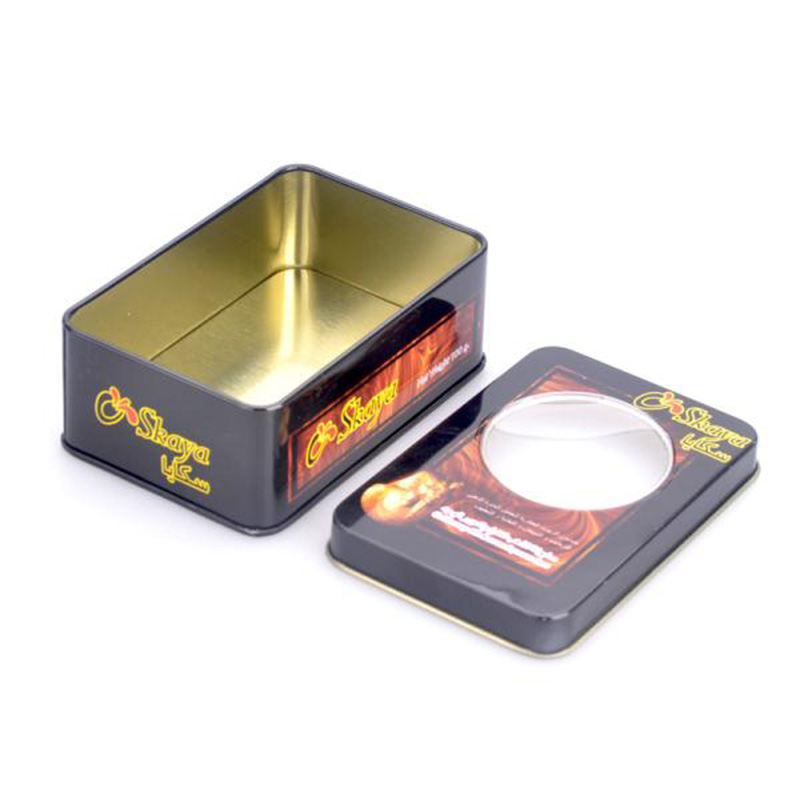
La solución de almacenamiento apilable está diseñada para ahorrar espacio, lo que la hace conveniente para almacenar y organizar sus pertenencias.Se utilizan para una variedad de propósitos, ya sea para almacenar artículos o servir como elementos decorativos.Perfecto para presentar artículos pequeños como chocolates, dulces y otras delicias.La hojalata de primer grado ayuda a preservar la frescura y el sabor de los dulces y prolonga la vida útil.Admitir logotipos y diseños personalizados hace que el producto sea más atractivo y valioso.
LEER MÁS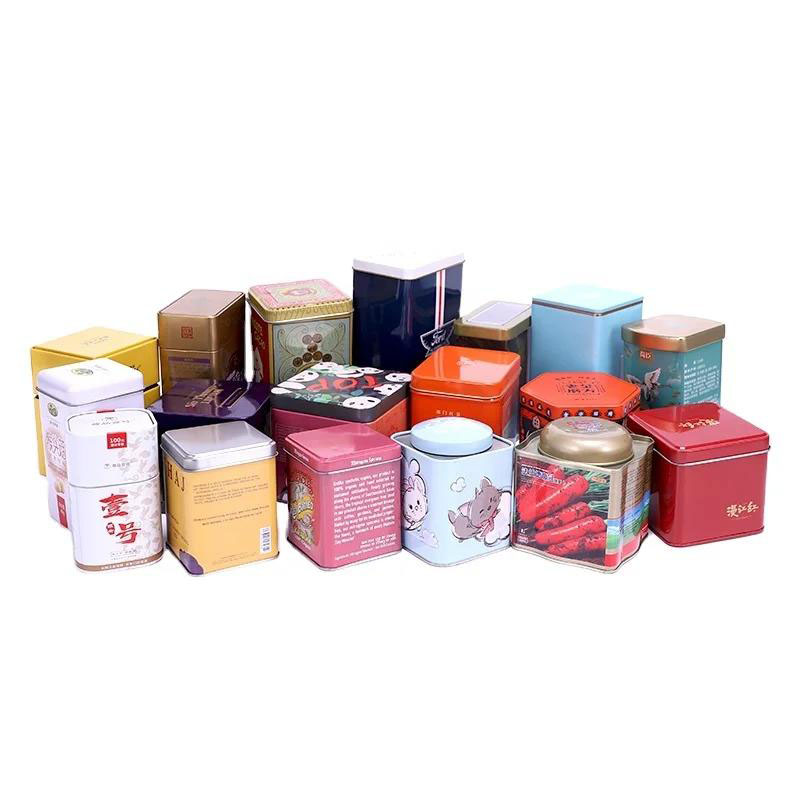
Ayuda a mantener la frescura de tu té durante un período prolongado.Mejore el valor percibido de sus ofertas de té.Un sello seguro y hermético para ayudar a preservar la frescura y el sabor de su té.Duradera y capaz de soportar los desafíos del envío y la manipulación, nuestra hojalata de calidad alimentaria garantiza confiabilidad.Está disponible una amplia gama de tamaños y formas, lo que simplifica el proceso de encontrar el ajuste ideal para su producto.
LEER MÁS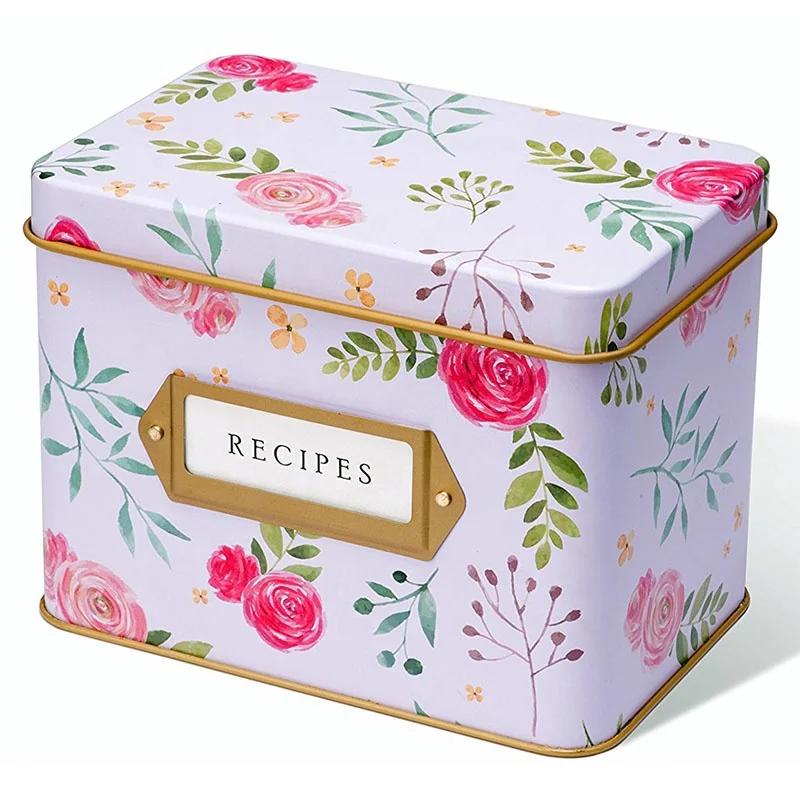
Independientemente de sus necesidades de empaque, tenemos opciones adecuadas para el empaque de recetas.Las técnicas de sellado eficaces pueden prolongar la vida útil de almacenamiento de sus tarjetas de recetas.Tener una caja de recetas física permite un acceso rápido y sencillo a sus recetas favoritas.Le permite personalizar la organización para adaptarla a sus preferencias.Maquinaria profesional de impresión Pantone y cuatricromía para garantizar la calidad excepcional de nuestras presentaciones en cajas de hojalata.
LEER MÁS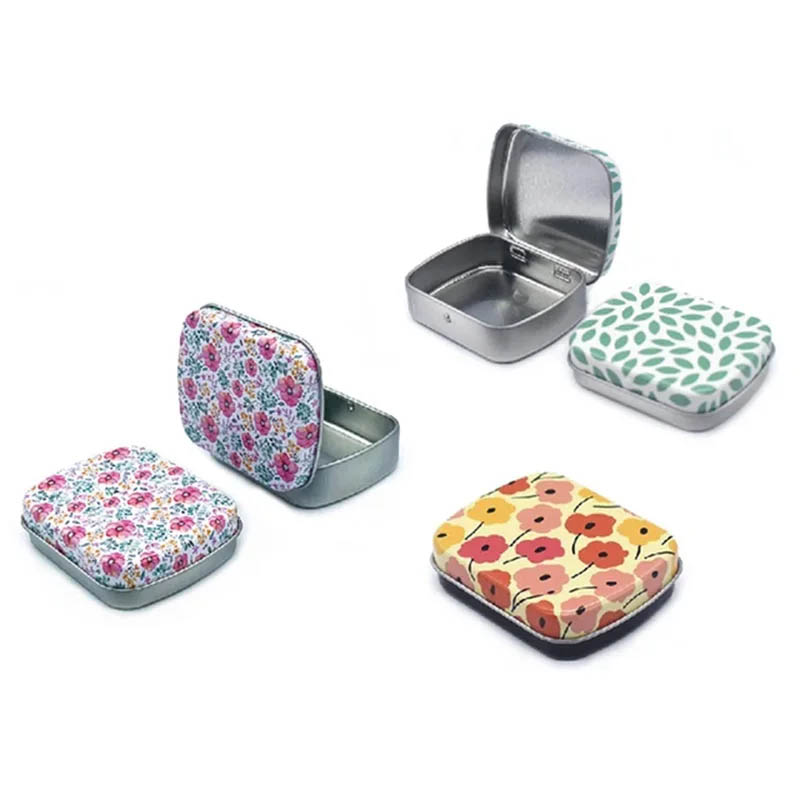
Diseñado para ser apilable, lo que facilita el almacenamiento y la organización convenientes. Reutilizables para diversos fines, sirviendo tanto como contenedores de almacenamiento como elementos decorativos. Disponible en una variedad de tamaños, colores y diseños para satisfacer sus necesidades específicas. Cuenta con una sencilla estructura con tapa abatible con bisagras para abrir y cerrar sin esfuerzo. Elaborado con hojalata duradera, lo que garantiza longevidad y resistencia contra el desgaste.
LEER MÁSObtenga la información más reciente y ofertas especiales


 Soporta red IPv6
 Español
 English
 Français
 Deutsch
 Português