
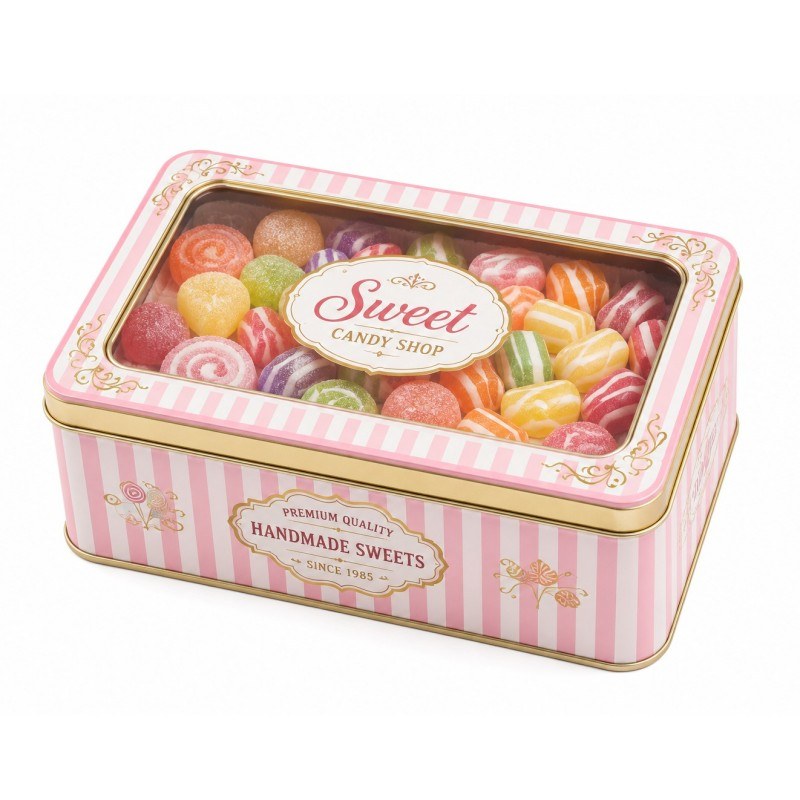
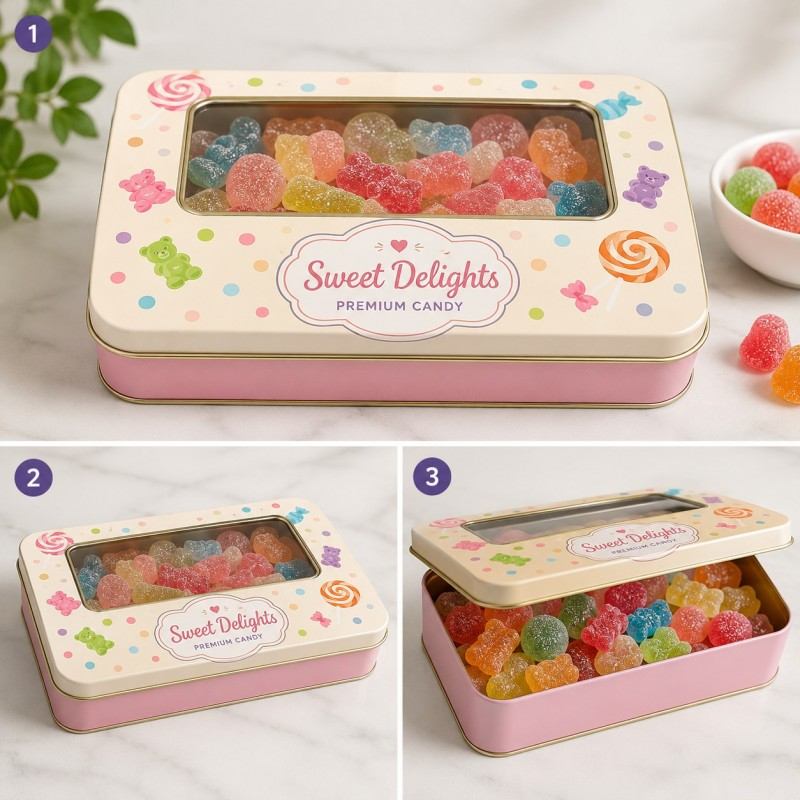
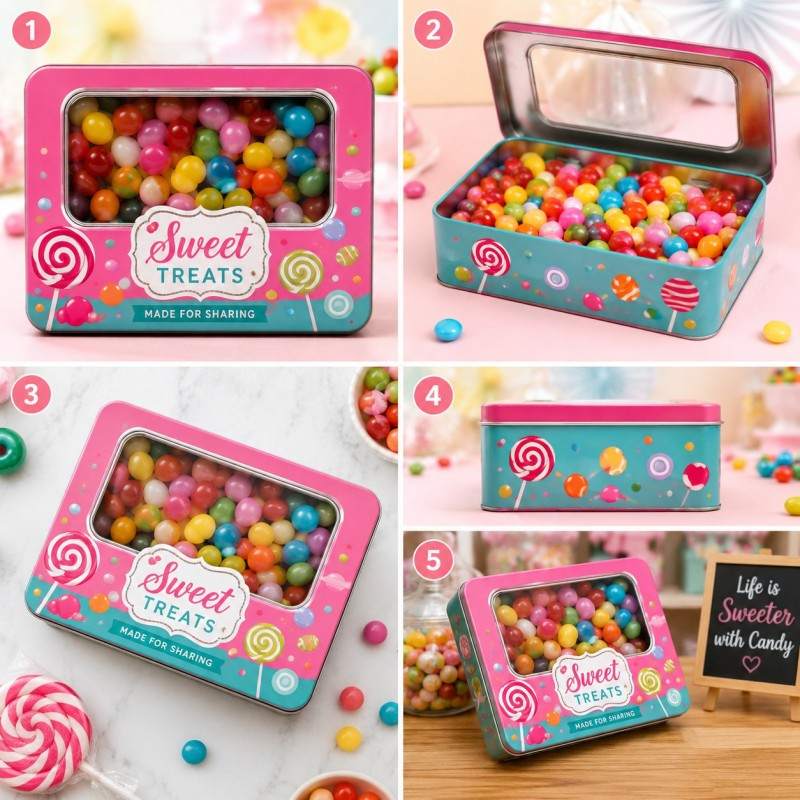
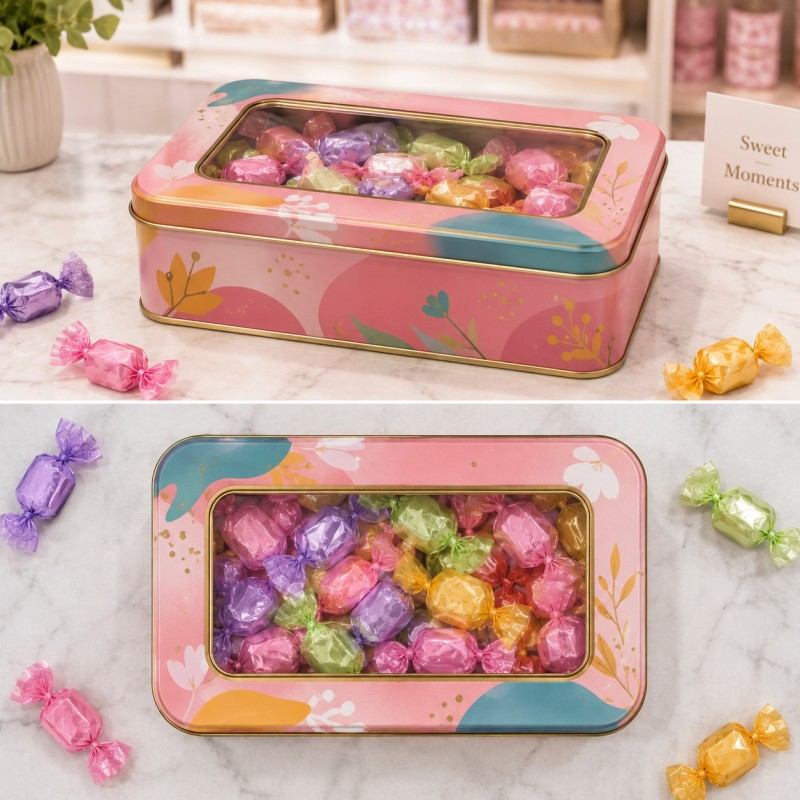
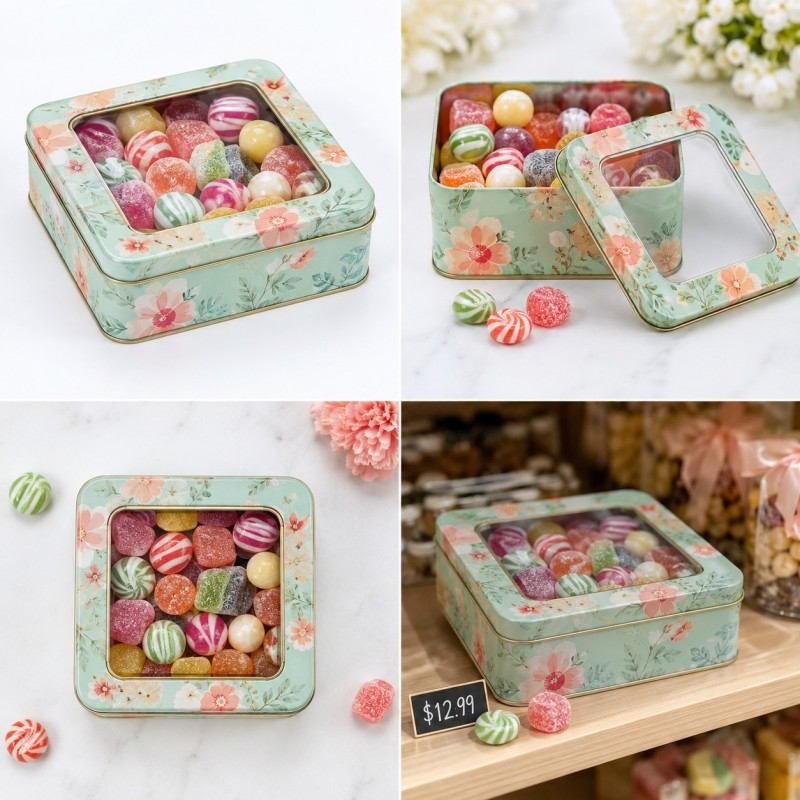
Our custom candy tin box with clear window lid is developed for confectionery brands, sweet manufacturers, retailers, importers and private-label buyers that want customers to see the candy before opening the package. A transparent window is fitted into the metal lid, combining the strength and printable surface of a tin box with direct product visibility. The window size, tin shape, printed frame, candy arrangement and inner packaging can be customised for gummies, hard candy, mints, toffee, fruit sweets, bonbons and assorted confectionery.
Product Name :
Candy Tin Box with Clear Window LidDimensions :
L200*W100*H75mmShape :
Rectangular, CustomizableDesign :
Customizable, ODM / OEMPrinting :
CMYK printing, Pantone Color Matching, Logo Printing, Solid Color or Full ArtworkSurface Finish :
Matte / Glossy / EmbossingMaterial :
0.23 mm Food-Grade TinplateMOQ :
5,000 pcsLead Time :
35 DaysPackaging :
Opp Bag + Master Carton
Conventional candy tins rely entirely on printed illustrations to describe the contents. A clear window changes the relationship between the product and the packaging.
The actual sweets provide colour, texture and visual variety. Wrapped candies create metallic reflections, gummies show bright translucent colours, and mixed confectionery produces a more abundant gift presentation.
The printed metal area should therefore frame the product rather than compete with it. A balanced design leaves enough room for branding, flavour information and decorative graphics while keeping the candy clearly visible.
A complete transparent container offers visibility but provides limited space for premium printing and long-term reuse. A candy tin with a window lid combines two packaging functions:
The metal body provides structure, branding and light protection around most of the package, while the transparent lid section allows customers to view the contents directly.
This format is suitable for retail environments where colour and product appearance influence purchase decisions, including confectionery shops, supermarkets, museum stores, gift shops, seasonal displays and online product photography.
| Window Style | Visual Effect | Suitable Candy Products | Design Consideration |
| Large Central Window | Shows most of the candy assortment | Gummies, wrapped sweets and mixed confectionery | Leaves a narrower metal area for branding |
| Small Display Window | Reveals a selected section of the contents | Mints, bonbons and premium candy collections | Provides more printable lid space |
| Long Rectangular Window | Creates a clean horizontal product view | Rows of hard candy, toffee or fruit sweets | Product arrangement should remain level |
| Custom-Shaped Window | Supports a themed or branded presentation | Seasonal candy, promotional sweets and gift products | Complex shapes require technical evaluation |
| Full-View Window Lid | Maximises product visibility | Colourful confectionery and retail assortments | Window strength and lid rigidity must be reviewed |
A larger window does not automatically create better packaging. The correct proportion depends on the candy appearance, required branding area and lid strength.
When the transparent section is too small, the product may be difficult to recognise. When it is too large, the lid may lose useful printing space and the packaging can appear more like a plastic container than a branded metal tin.
A practical window layout should preserve enough metal around the opening for:
The brand logo, product name, flavour, net weight, decorative border and forming area required by the lid structure.
The final window dimensions should be confirmed together with the lid size rather than added after the artwork has already been completed.
Colourful gummies, jelly beans and fruit sweets are particularly suitable for clear window packaging because their colours and shapes create immediate shelf appeal.
These products are normally packed inside a suitable sealed inner bag before being placed in the decorative candy tin.
Transparent or metallic wrappers create a bright display beneath the window. Mixed flavours can be identified through wrapper colours or a printed flavour guide.
A smaller viewing window can reveal the product while preserving more lid space for a clean mint or confectionery brand design.
Twist-wrapped toffee and caramel can create a generous visual presentation inside a deeper window tin.
Paper cups, dividers or moulded inserts can organise premium bonbons and decorated confectionery beneath the clear lid.
Several types of sweets can be combined in one retail tin using different wrappers, inner bags or compartments.
In a standard closed tin, product movement is hidden. In a clear window candy tin, the arrangement remains visible throughout retail display.
The candy should therefore be loaded with attention to:
Colour distribution, wrapper direction, fill level, empty spaces and the position of larger products.
For a mixed assortment, colours can be distributed evenly rather than allowing one flavour to dominate the visible area. For premium confectionery, a fitted insert can keep each piece aligned beneath the window.
An underfilled window tin may appear less valuable because customers can see the empty space. An excessively full tin can press products against the clear panel or make the lid difficult to close.
The correct fill level should include enough headspace for:
Wrapper thickness, product movement, inner bag sealing, lid clearance and transportation conditions.
Physical filling tests should be completed using the actual candy or a representative product sample.
The clear window allows the contents to be seen, but it should not automatically be treated as the primary freshness barrier.
Wrapped hard candy, individually packed toffee and sealed mints can be organised inside the tin according to the approved packaging specification.
Gummies, jelly sweets and other unwrapped confectionery commonly require a sealed inner bag or food-contact insert. The tin and window then function as decorative and protective secondary packaging.
A retail display window should remain clear enough for customers to recognise the confectionery inside.
Several factors can affect the appearance:
Surface scratches, dust, fingerprints, condensation, direct contact with oily products and rubbing during transportation.
Individual bags, protective films or suitable export dividers can reduce damage before the tins reach the filling line or retail store.
The window material and cleaning method should be confirmed during sampling. Abrasive wiping materials may mark the transparent surface.
The printed metal frame around the transparent opening becomes the main branding area.
A practical layout can place the logo at the top, the product name below the window and flavour or net-weight information along the lower border.
Decorative candy illustrations can extend partly around the window, visually connecting the printed artwork with the real products inside.
The design should avoid placing important text too close to the cut-out or forming edge.
Bright candy illustrations, playful typography and a large clear window work well for gummies, fruit sweets and mixed children’s confectionery.
A cream, pastel or dark-coloured metal frame with a smaller window can create a more restrained presentation for bonbons and speciality sweets.
Decorative borders, vintage lettering and a window showing wrapped boiled sweets can combine nostalgia with product visibility.
Fruit illustrations and flavour colours can surround a transparent window showing the real sweets.
Christmas, Valentine’s Day, Easter, Halloween and other seasonal artwork can be developed while retaining the same tin and window structure.
The window lid allows store customers to understand the product quickly without opening the package.
This can be useful when the visible candy communicates:
Colour variety, handmade appearance, individual wrapping, premium decoration, product quantity or flavour assortment.
Retailers can also display the tins at different angles because the transparent panel remains visible from above and from an elevated shelf position.
Clear window packaging can support e-commerce product photography because one image can show both the printed metal design and the real confectionery inside.
The product can be photographed closed, partially open and from above to demonstrate:
The window size, candy quantity, lid construction, internal arrangement and reusable metal body.
The candy used in photography should match the actual product customers will receive. A window makes differences in colour, quantity and arrangement more noticeable.
The transparent opening does not always need to be a standard rectangle.
Rounded windows, oval openings, arch-shaped views and simple brand-related outlines can be evaluated according to tooling feasibility.
However, highly detailed window shapes can increase production complexity and may reduce structural strength around narrow metal sections.
Simple, balanced shapes are usually more practical for repeat wholesale production.
A divider can separate several candy flavours or organise wrapped sweets into rows beneath the clear lid.
A fitted tray can keep bonbons, gummies or decorative confectionery in fixed positions.
Individual paper cups provide a more refined presentation for premium sweets and chocolate-coated confectionery.
A sealed candy bag can be placed inside the tin and removed after opening, allowing the box to be reused easily.
A printed paperboard base can provide a coordinated background behind brightly coloured candy.
A removable window lid alone should not automatically be considered tamper-evident.
Where additional retail security is required, the package can be combined with:
A shrink band, tamper label, paper sleeve, sealed inner bag or outer folding carton.
The selected solution should allow customers to see the candy while making it clear whether the package has been opened.
A window can display red, green, gold and silver-wrapped sweets while the metal frame carries festive artwork.
Pink, red and pastel candy can remain visible beneath floral or romantic printed designs.
Pastel gummies, jelly beans and small chocolate sweets can create a colourful spring display.
Orange, black, purple and green sweets can become part of the visual theme through a large viewing window.
Individually wrapped sweets in red and gold can be displayed beneath a coordinated decorative metal frame.
The clear window candy tin can be customised for private-label retailers, confectionery manufacturers, gift suppliers and promotional buyers.
One approved structure can support several candy flavours through different printed colours and inner products.
For example, the same window tin can be developed for:
Fruit gummies, mint sweets, hard candy, toffee and mixed confectionery assortments.
The window shape remains consistent while the artwork and candy colour system change for each SKU.
Jinyu maintains more than 3,000 existing moulds covering rectangular, square, round and special-shaped metal tins.
When an existing window-lid structure matches the required candy capacity, buyers can reduce tooling investment and shorten sample preparation.
New tooling may be required when the project needs an exclusive tin size, special window shape, unusual lid depth or proprietary retail display structure.
Provide the confectionery type, piece dimensions, wrapper style, filling weight and inner packaging.
Compare available rectangular, square, round or shallow candy tin moulds.
Confirm the window size, shape, position and required metal printing area.
Load the real candy into a structural sample and review the visible fill level and colour distribution.
Arrange the logo, candy illustrations, product name and required information around the window.
Check the window clarity, lid fit, printing, candy clearance and retail presentation.
The tinplate, transparent window and other components are produced and assembled according to the approved specifications.
Inspection can cover tin dimensions, window position, window cleanliness, surface scratches, lid fit, printed alignment, rolled edges and internal condition.
The transparent panel should remain securely fixed within the lid under normal handling and packing conditions.
Finished tins can be packed with individual protection, dividers, inner cartons and reinforced master cartons to reduce rubbing and impact during export transportation.
Jinyu provides integrated support for metal printing, mould selection, window-lid development, stamping, forming, assembly, quality inspection and export packing.
Our existing mould library allows confectionery buyers to compare several candy tin structures before developing new tooling.
The metal box, transparent window, inner tray, paper sleeve and retail carton can be coordinated as one packaging project.
OEM and ODM support is available for candy factories, confectionery brands, retailers, importers, wholesalers and gift packaging suppliers.
To prepare an accurate quotation, please provide the candy type, filling weight, product or inner bag dimensions, preferred tin shape, window size, lid structure, order quantity, number of artworks and destination country.
Physical candy samples, current packaging and reference window designs are useful when the final dimensions have not yet been confirmed.
The transparent material is selected according to the window size, structure, product requirements and destination market. The final specification should be confirmed during development.
A large viewing area can be evaluated, but enough metal structure must remain to support the lid and required printing.
Yes. Rectangular, rounded, oval and other simple shapes can be evaluated according to tooling feasibility.
Yes. Gummies and jelly sweets are commonly placed inside a suitable sealed bag or insert before being loaded into the decorative metal tin.
Yes. Individually wrapped sweets can create an attractive display when the filling format and material specifications are approved.
Yes. Paperboard dividers, trays and paper cups can organise different flavours or product shapes.
Transparent surfaces can be scratched by improper handling or abrasive cleaning. Suitable protective packing should be confirmed for production and shipping.
A standard removable lid is not automatically tamper-evident. Shrink bands, labels, sleeves or sealed inner bags can be added when required.
The standard MOQ normally starts from 5,000 pieces per size or artwork. Final requirements depend on the tin structure, window component and number of designs.
Sampling normally takes approximately 7–10 working days after the specifications are confirmed. Mass production generally requires approximately 25–35 working days after sample approval.
Fuerte y duradero, brindando una excelente protección para sus productos.Se pueden personalizar con su marca, lo que los convierte en una herramienta promocional ideal.Visualmente atractivos, haciéndolos atractivos para los clientes.Fáciles de etiquetar, lo que los hace ideales para la identificación de productos.Reciclables, lo que los convierte en una opción de embalaje respetuosa con el medio ambiente.
LEER MÁS
Ofrecemos la opción adecuada a sus necesidades de empaque de galletas, independientemente del tipo de empaque. Técnicas sofisticadas pueden proporcionar un sellado eficaz y permitir un almacenamiento prolongado de sus cookies. Nuestros clientes leales incluyen marcas de galletas de renombre como Oreo, Keebler, Chips Ahoy y Pepperidge Farm. Hojalata de primer grado que está en contacto directo con los alimentos, se puede garantizar que el embalaje de sus galletas sea absolutamente seguro. La utilización de maquinaria profesional de impresión pantone y de 4 colores garantiza presentaciones de cajas de hojalata de calidad superior.
LEER MÁS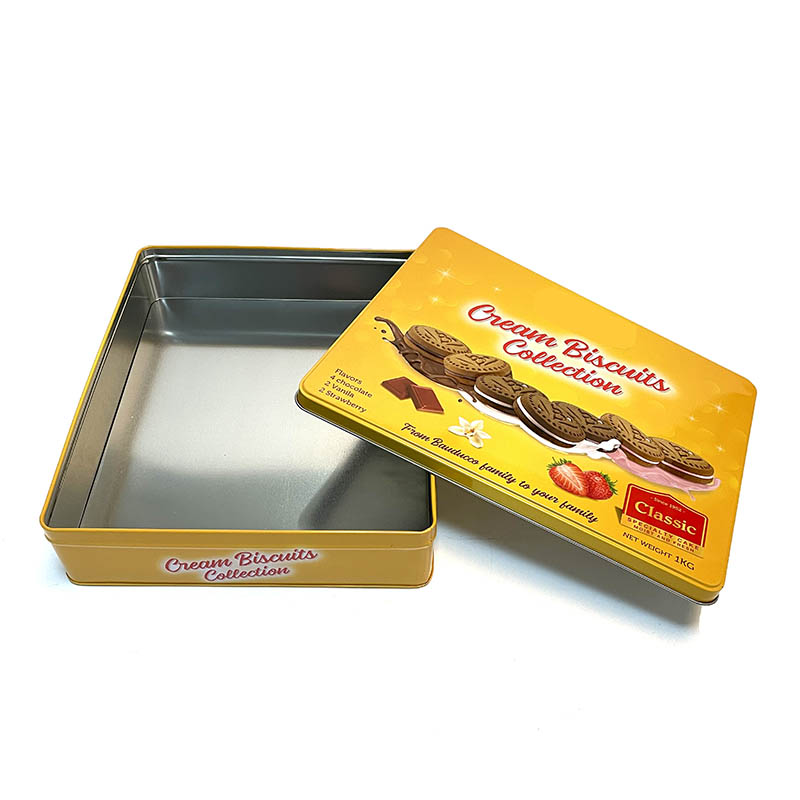
Nuestras opciones de empaque para galletas están diseñadas para funcionar con cualquier tipo de empaque que necesite.Las técnicas de sellado sofisticadas pueden preservar la frescura de las cookies y permitir un almacenamiento más prolongado.Más allá de almacenar galletas, las cajas de lata para galletas se pueden utilizar para diversos fines, como conservar frutas secas y nueces.Los envases de lata para galletas son una opción higiénica para los envases de alimentos, ya que se pueden limpiar y desinfectar fácilmente.Las cajas de lata para galletas están disponibles en una amplia gama de tamaños y formas para satisfacer sus preferencias.
LEER MÁS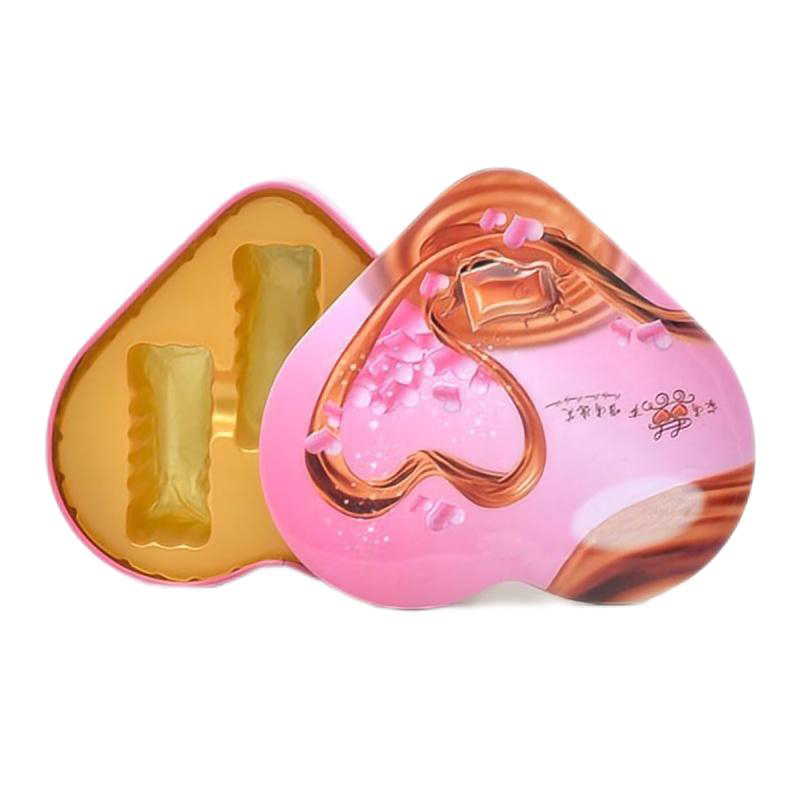
Ofrecemos opciones de empaque de dulces que son adecuadas para todo tipo de configuraciones de empaque.Con un sello hermético, las latas de dulces se mantienen frescas durante un período prolongado.Los diseños brillantes y atrevidos de las cajas de lata de dulces las hacen fácilmente identificables.La naturaleza duradera de la lata de caramelo la convierte en una solución de envasado rentable.Las latas de dulces están fabricadas con material resistente que evita que se rompan o aplasten.
LEER MÁS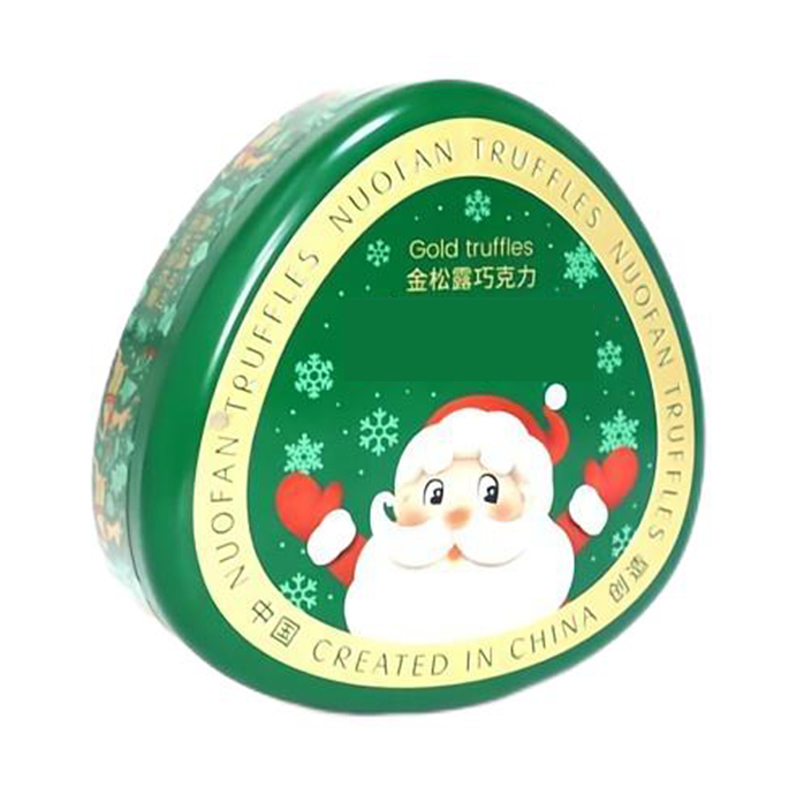
Nuestras opciones de empaque de dulces están diseñadas para adaptarse a cualquier disposición de empaque de dulces.El sello hermético de las latas de dulces ayuda a conservar la frescura durante un período prolongado.Los diseños vibrantes y atrevidos de las cajas de lata para dulces garantizan un fácil reconocimiento.La robustez y resistencia de las latas de caramelos las convierten en una opción de embalaje rentable.El material resistente de las latas de caramelos proporciona una protección fiable contra roturas o aplastamientos.
LEER MÁS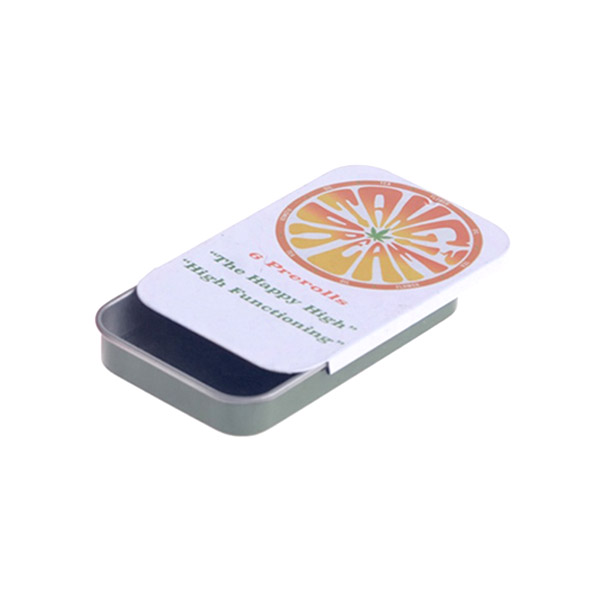
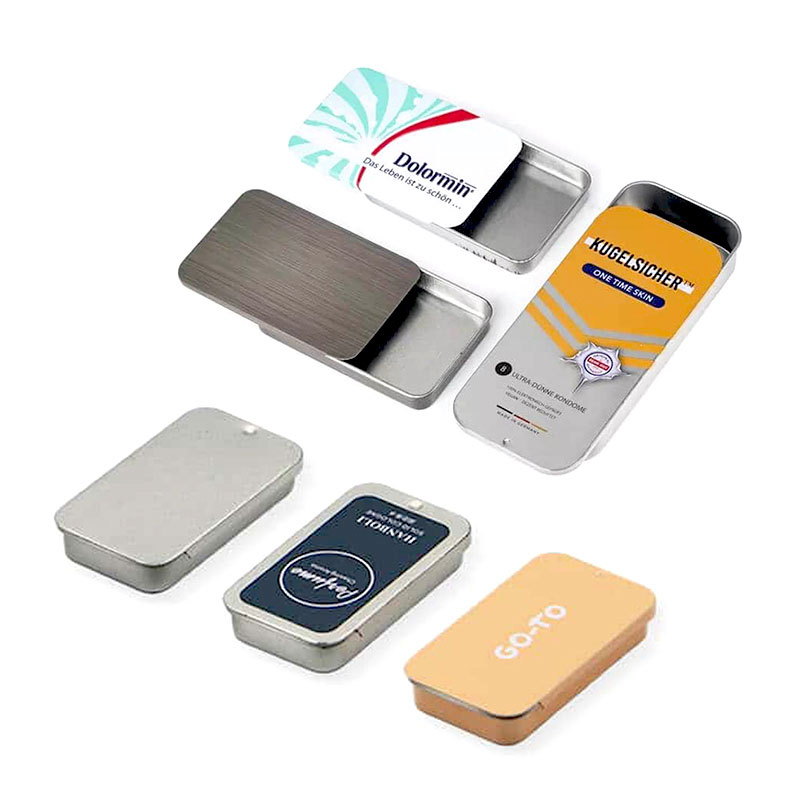
Caja de hojalata deslizante, tamaño: 80 * 50 * 20 mm, está hecha con hojalata de 0,23 mm de espesor, Impresión CMYK 4 colores o panton, admitimos cualquier personalización.
LEER MÁS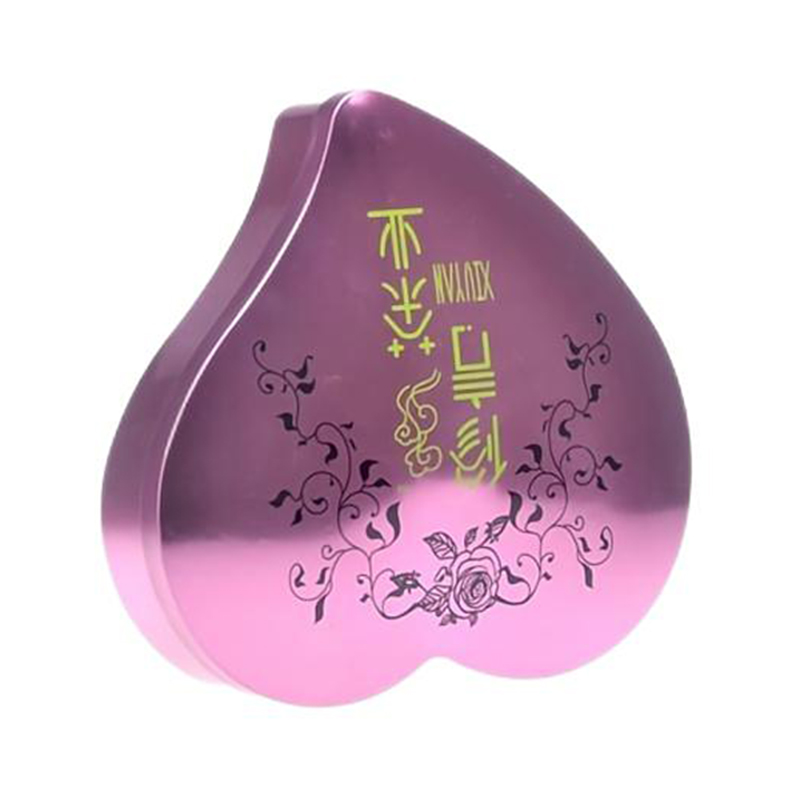
Nuestras opciones de embalaje de dulces son adecuadas para todo tipo de configuraciones de embalaje.Las latas de dulces con cierre hermético mantienen los dulces frescos durante un período prolongado.Los diseños brillantes y atrevidos de las cajas de lata de dulces las hacen fácilmente reconocibles.La durabilidad de las latas de caramelos las convierte en una solución de embalaje rentable.Las latas de dulces están hechas con materiales resistentes que las protegen para que no se rompan o aplasten.
LEER MÁS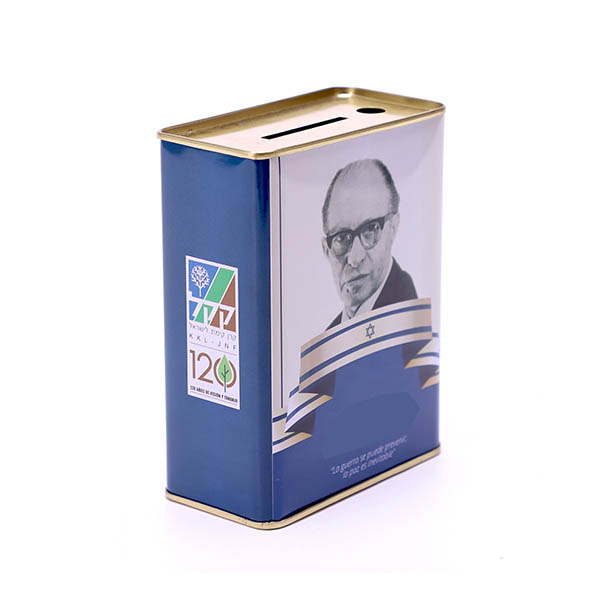
Calidad duradera y se puede utilizar repetidamente.Asegure sus ahorros y proteja su dinero contra robos.Amplia gama de tamaños y estilos, le ayudará a descubrir uno que se adapte a sus necesidades.Se utiliza como regalo para niños y amigos, y es una excelente forma de promoción comercial de marcas.Proveedor directo de fábrica confiable, alta calidad con precio competitivo.
LEER MÁS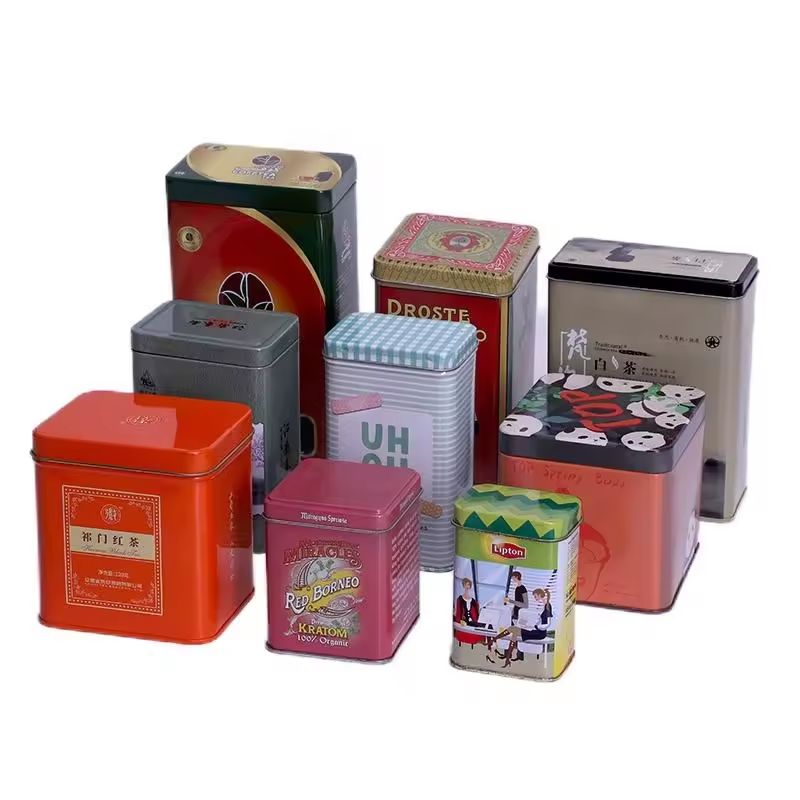
Explore nuestras cajas de lata de té premium, diseñadas para mantener su té fresco y sabroso. Con tamaños y diseños personalizables, estas latas de alta calidad combinan funcionalidad con elegancia, ideales tanto para los entusiastas del té como para las marcas.
LEER MÁS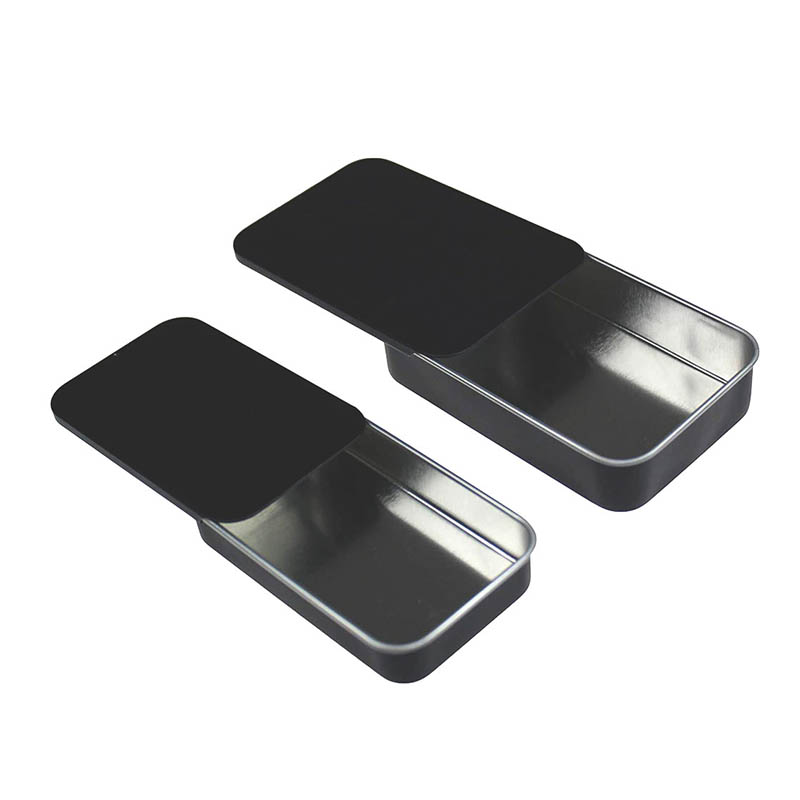
Visualmente atractivos, haciéndolos atractivos para los clientes.Fáciles de apilar, lo que los hace eficientes en cuanto a espacio.Resistentes a la humedad, lo que los hace ideales para almacenar productos alimenticios.No tóxicos, lo que los hace seguros para los productos alimenticios.Resistentes a la corrosión, lo que los hace aptos para almacenar productos en ambientes húmedos.
LEER MÁS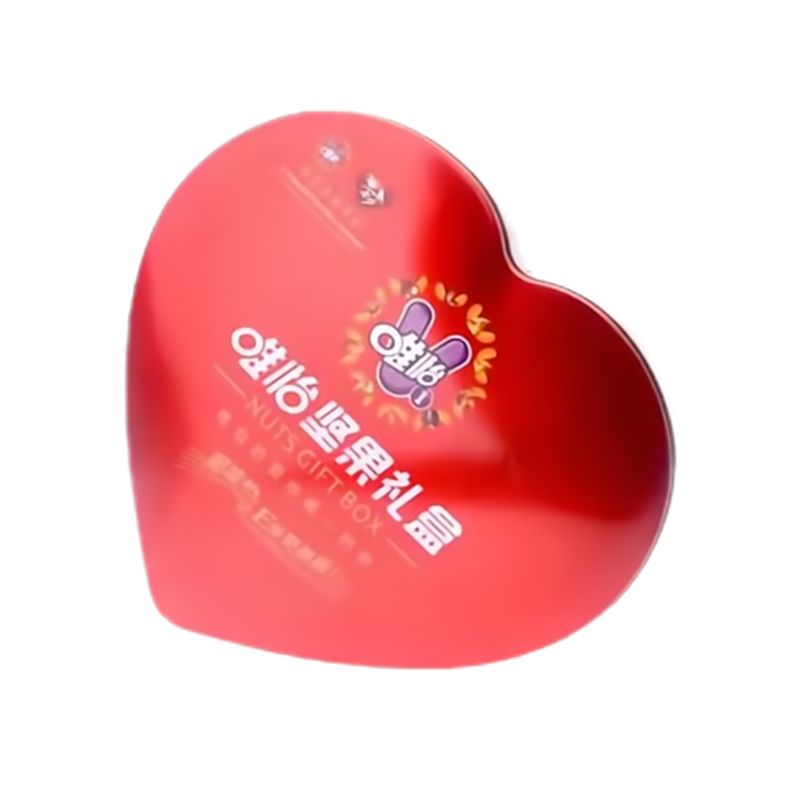
Nuestras opciones de empaque de dulces están diseñadas para funcionar con cualquier tipo de configuración de empaque de dulces.El cierre hermético de las latas de dulces ayuda a conservar la frescura durante más tiempo.Los diseños de las cajas de lata de dulces son vibrantes y atrevidos, lo que los hace fácilmente reconocibles.La robustez y resistencia de la lata de caramelo la convierten en una opción rentable para el embalaje.El material resistente de las latas de caramelos ofrece una protección fiable contra roturas o aplastamientos.
LEER MÁS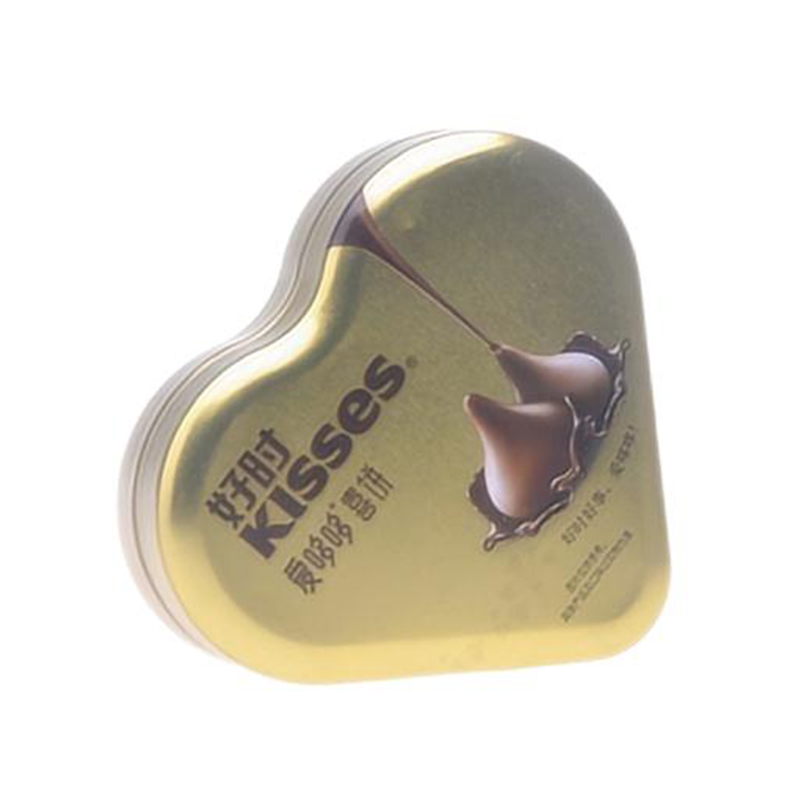
Ofrecemos opciones de empaque de chocolate que se adaptan a cualquier tipo de material de empaque que pueda tener.Las latas de chocolate están diseñadas con un sello hermético que las mantiene frescas por más tiempo.Con sus diseños brillantes y atrevidos, las cajas de lata de chocolate son fáciles de identificar.La longevidad y durabilidad de la lata de chocolate la convierten en una opción económica para el envasado.Con su material duradero, las latas de chocolate son una excelente opción para protegerlas contra roturas o aplastamientos.
LEER MÁS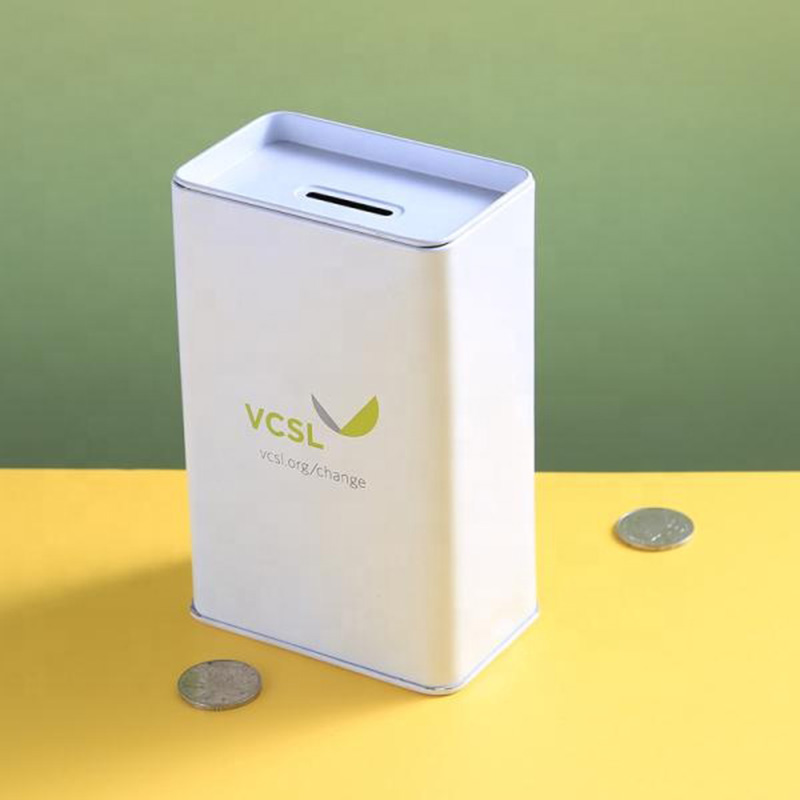
Calidad duradera y se puede utilizar repetidamente.Asegure sus ahorros y proteja su dinero contra robos.Amplia gama de tamaños y estilos, le ayudará a descubrir uno que se adapte a sus necesidades.Se utiliza como regalo para niños y amigos, y es una excelente forma de promoción comercial de marcas.Proveedor directo de fábrica confiable, alta calidad con precio competitivo.
LEER MÁS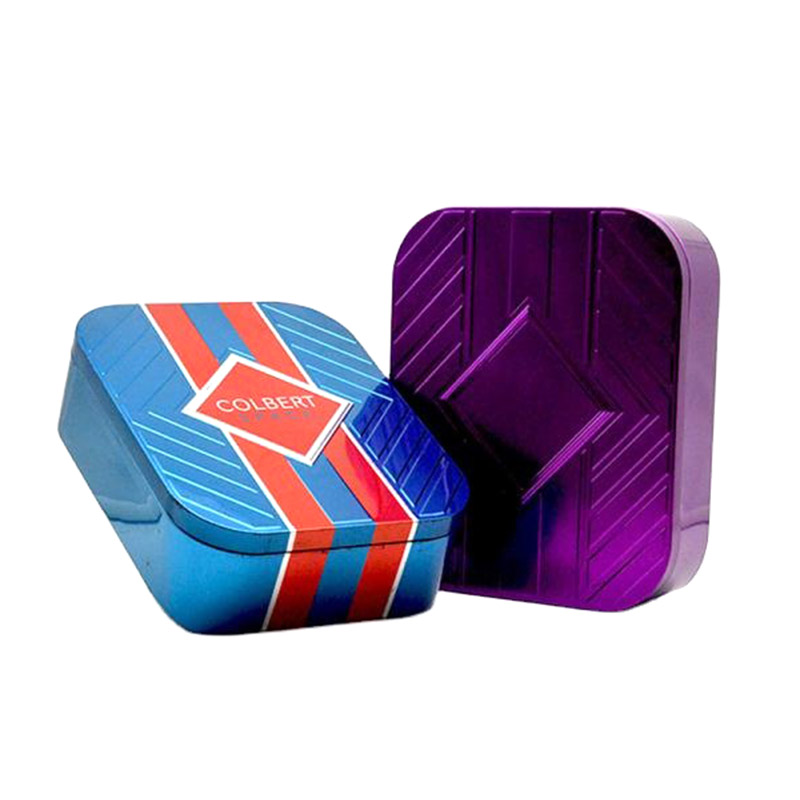
Durable y se puede reutilizar varias veces.Hermético, lo que ayuda a conservar el sabor y aroma del té.Variedad de tamaños y estilos, lo que facilita encontrar uno que se adapte a sus necesidades.Se utiliza para almacenar otros artículos como especias, hierbas y otros tés de hojas sueltas.Muy duradero y puede proteger su té de la humedad, la luz y el aire.
LEER MÁS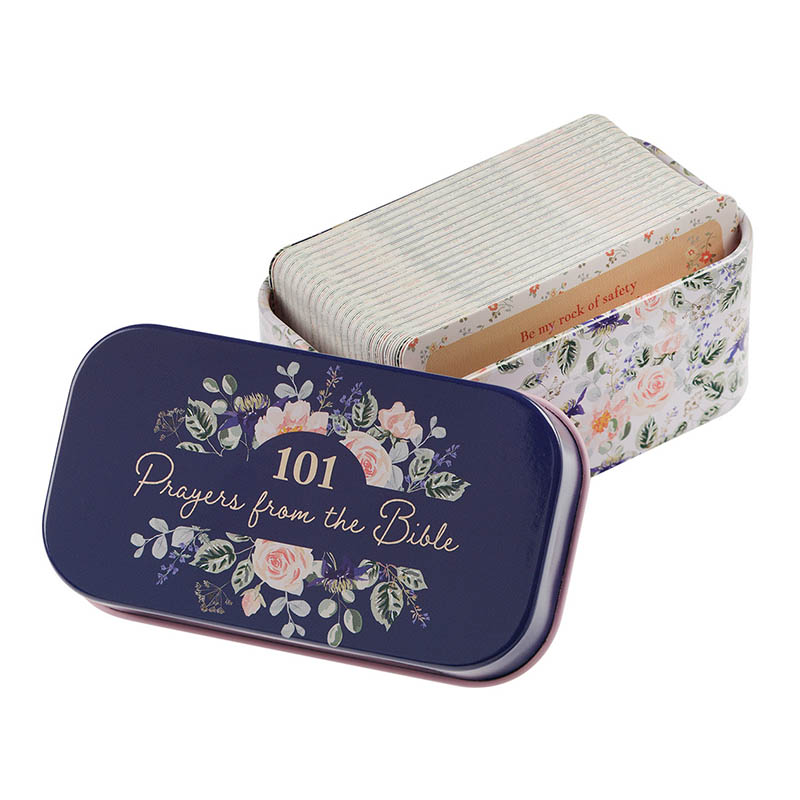
Explore una amplia gama de soluciones de embalaje de hojalata, que abarcan una amplia gama de productos.El empleo de procesos contemporáneos garantiza un sellado seguro y una mayor duración de almacenamiento.Los socios estimados cuentan con marcas destacadas como Mentos, Tic Tac y Altoids.El uso de material de hojalata de primera calidad garantiza un sellado impecable de la lata.Benefíciese de un equipo de diseño profesional, equipos de impresión de última generación y una presentación impecable.
LEER MÁS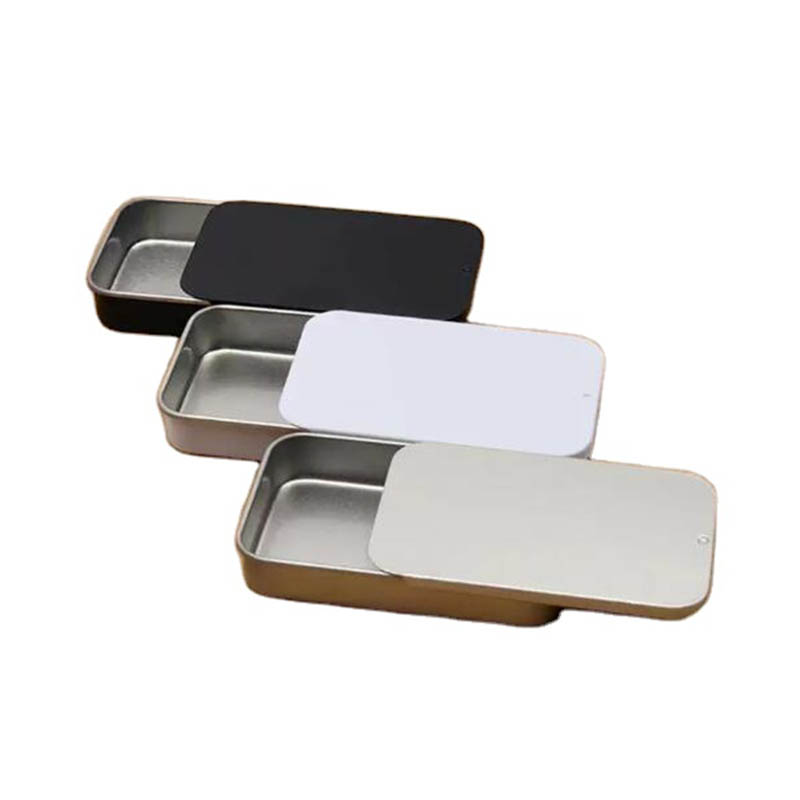
Excelente manera de mostrar su producto y destacarlo de la competencia.Fuerte y duradero, brindando una excelente protección para sus productos.Variedad de tamaños y formas, lo que los hace adecuados para una amplia gama de productos.Rentables, lo que los convierte en una solución de embalaje asequible.Reciclables, lo que los convierte en una opción de embalaje ecológica.
LEER MÁS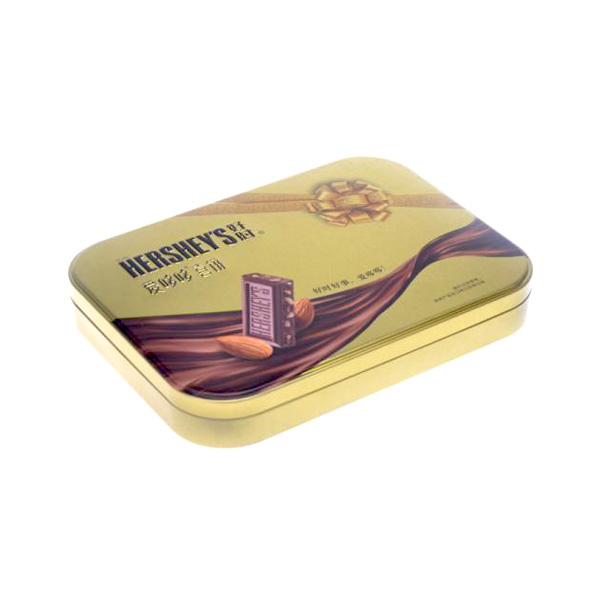
Nuestras opciones de embalaje de hojalata cubren todo tipo de embalaje, lo que garantiza que usted tenga el mejor ajuste.Se puede lograr un sellado eficaz y un almacenamiento prolongado de su chocolate mediante técnicas sofisticadas.Nuestra base de clientes leales está formada por marcas conocidas como Oreo, Keebler, Chips Ahoy y Pepperidge Farm.Se garantiza que su embalaje será seguro para el contacto con alimentos gracias al uso de hojalata de primera calidad.La maquinaria profesional de impresión pantone y 4 colores garantiza la excelencia de las presentaciones en cajas de hojalata.
LEER MÁS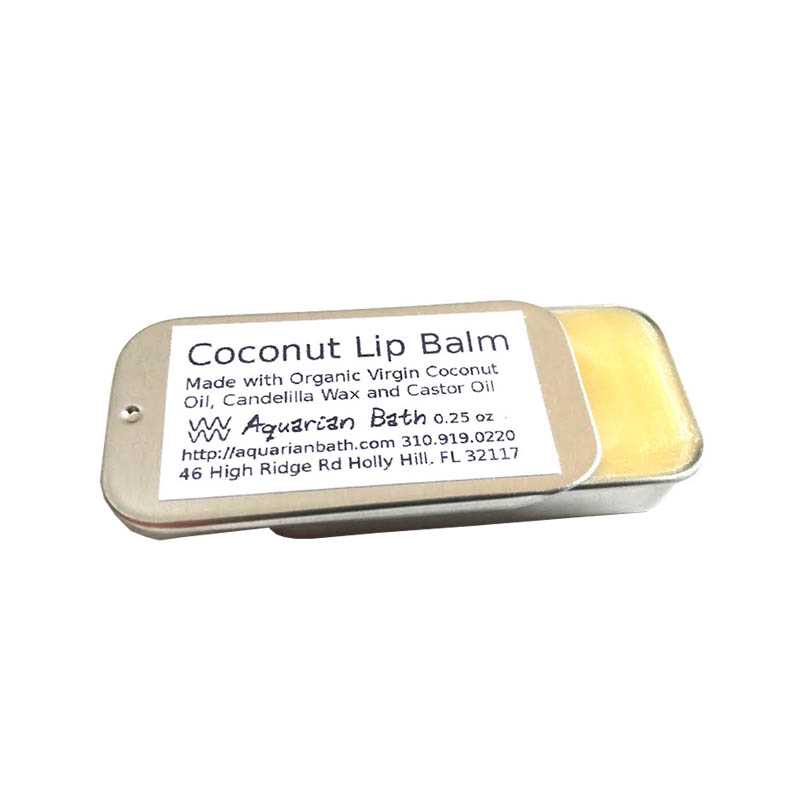
Ecológicos, ya que están fabricados con materiales reciclados.Personalizable, lo que le permite crear una apariencia única para su producto.Versátiles, ya que pueden usarse para una variedad de propósitos.Ideales para fines promocionales, ya que se pueden imprimir con logotipos o eslóganes.Solución de embalaje rentable para empresas.
LEER MÁS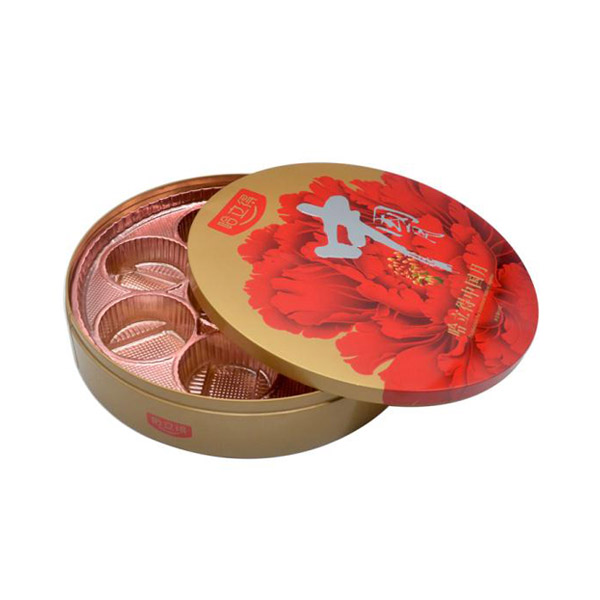
Nuestras opciones de empaque de chocolate se pueden personalizar para satisfacer sus necesidades de empaque específicas.El cierre hermético de las latas de chocolate evita la entrada de aire y ayuda a mantenerlas frescas durante más tiempo.El respeto al medio ambiente de las cajas de lata de chocolate reside en su capacidad de reutilizarse muchas veces.La durabilidad de la lata de chocolate la convierte en una opción rentable para envases que puedan resistir el desgaste.La robustez de las latas de chocolate proporciona una protección óptima contra roturas o aplastamientos.
LEER MÁS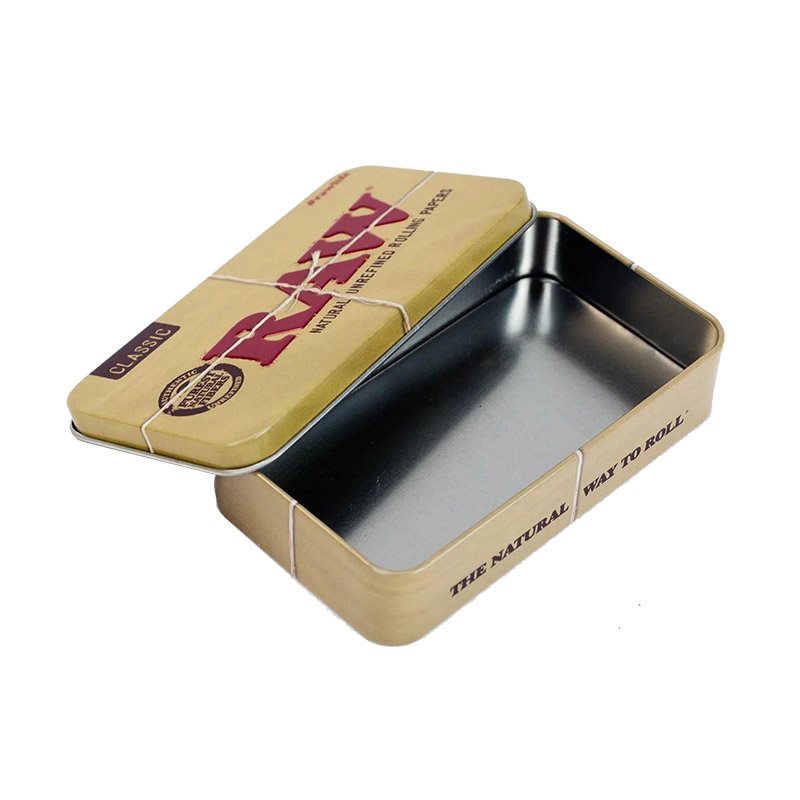
Amplia gama de soluciones de embalaje de hojalata para que usted elija, cubriendo toda la gama de productos.El proceso moderno aporta un buen sellado y un largo tiempo de almacenamiento.Entre los socios conocidos se incluyen marcas líderes como Mentos, Tic Tac y Altoids.El material de hojalata de primera calidad garantiza que la lata proporcione un sellado perfecto.Equipo de diseño profesional, equipo de impresión avanzado, presentación perfecta.
LEER MÁS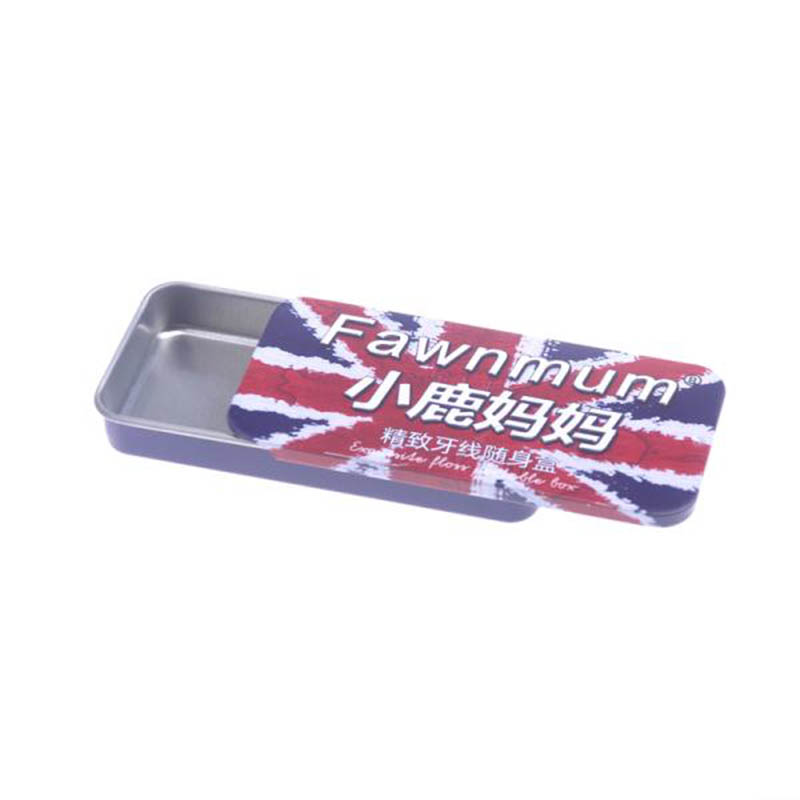
Proporciona un sello hermético para mantener la menta fresca por más tiempo.Variedad de tamaños y estilos, lo que facilita encontrar uno que se adapte a sus necesidades.Fabricados con materiales duraderos, lo que los hace duraderos y resistentes al óxido y la corrosión.Ayude a aumentar el valor percibido de sus productos de menta.Una forma atractiva y llamativa de atreverse con sus productos de caramelos de menta.
LEER MÁS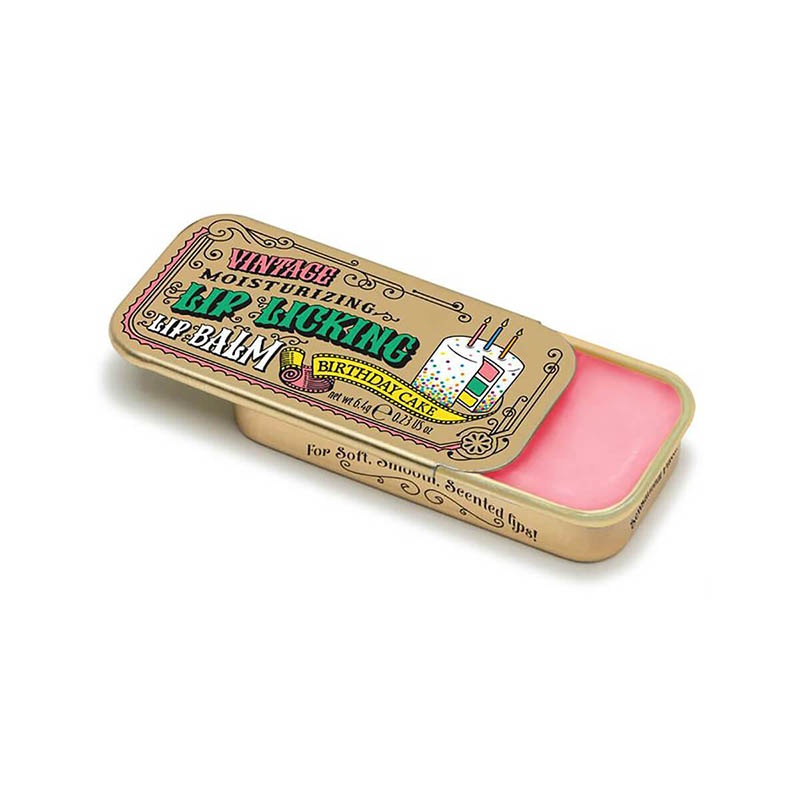
Se puede personalizar con logotipos, colores y otros elementos de marca.Se puede utilizar para almacenar productos durante largos períodos de tiempo.Relativamente económico en comparación con otros tipos de envases.Resistentes a la humedad, lo que los hace ideales para almacenar productos alimenticios.Excelente manera de agregar valor a los productos y crear una experiencia de cliente única.
LEER MÁS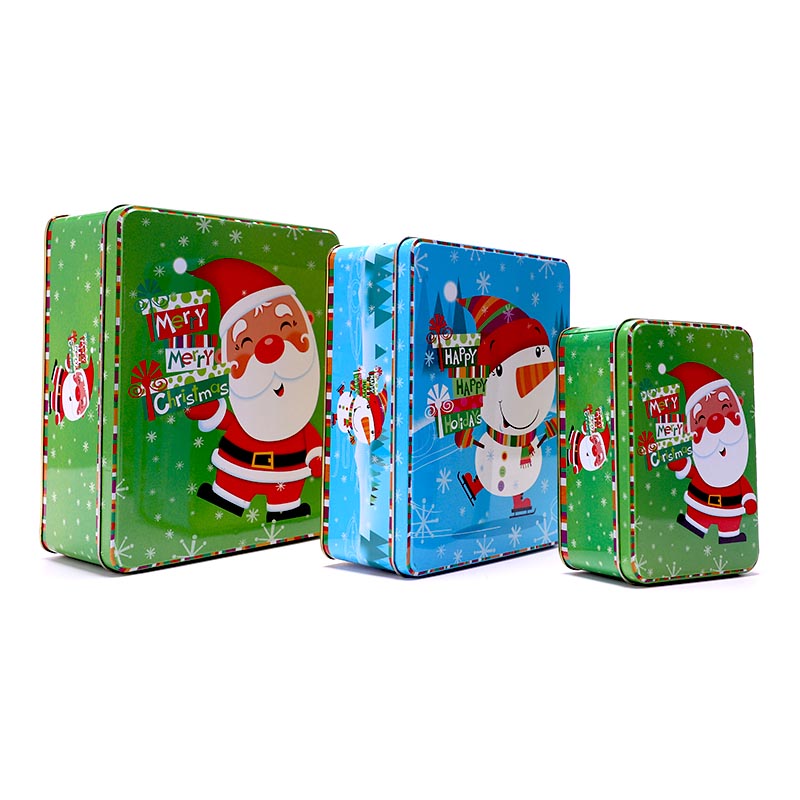
Nuestra selección de opciones de embalaje de galletas está diseñada para satisfacer todo tipo de requisitos de embalaje.Con nuestras exitosas técnicas de sellado, puede asegurarse de que sus obsequios permanezcan frescos y conservados por más tiempo.Oreo, Keebler, Chips Ahoy y Pepperidge Farm son marcas de galletas famosas que nos son leales.Tenga la seguridad de que priorizamos la seguridad del embalaje de sus regalos utilizando hojalata de primera calidad apta para uso alimentario, lo que garantiza el más alto nivel de calidad.Para garantizar una calidad superior en las presentaciones de cajas de hojalata, empleamos maquinaria profesional de impresión Pantone y de 4 colores.
LEER MÁS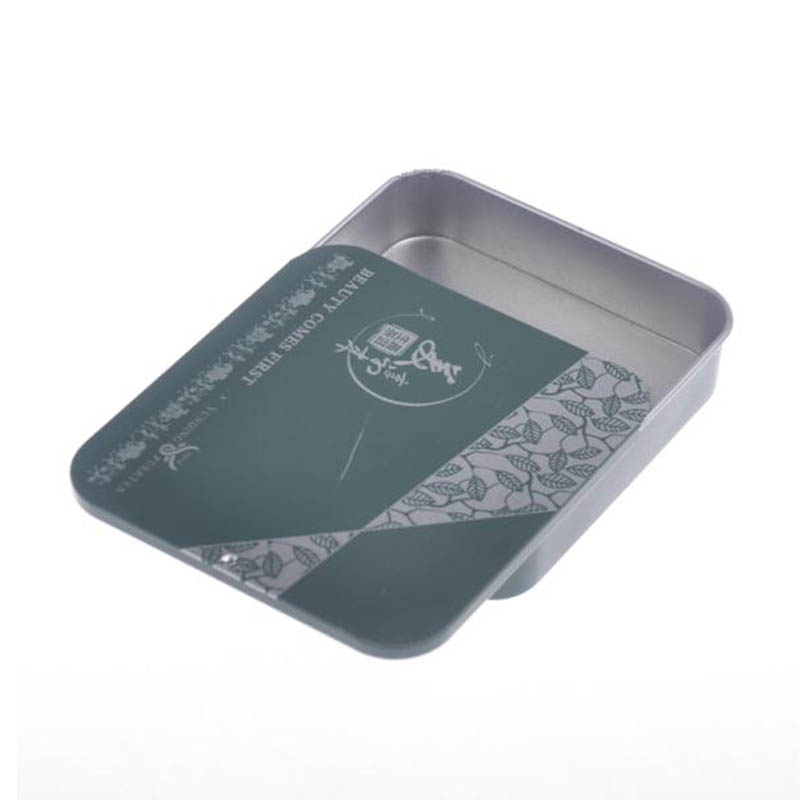
Sello hermético para mantener la menta fresca y sabrosa.Variedad de tamaños para acomodar cualquier cantidad de menta.Personalizados con su propio diseño o logotipo, lo que los convierte en una excelente opción de regalo.Fabricado con materiales resistentes diseñados para durar.Diseñado para ser apilable y fácil de guardar en cualquier armario o despensa.
LEER MÁS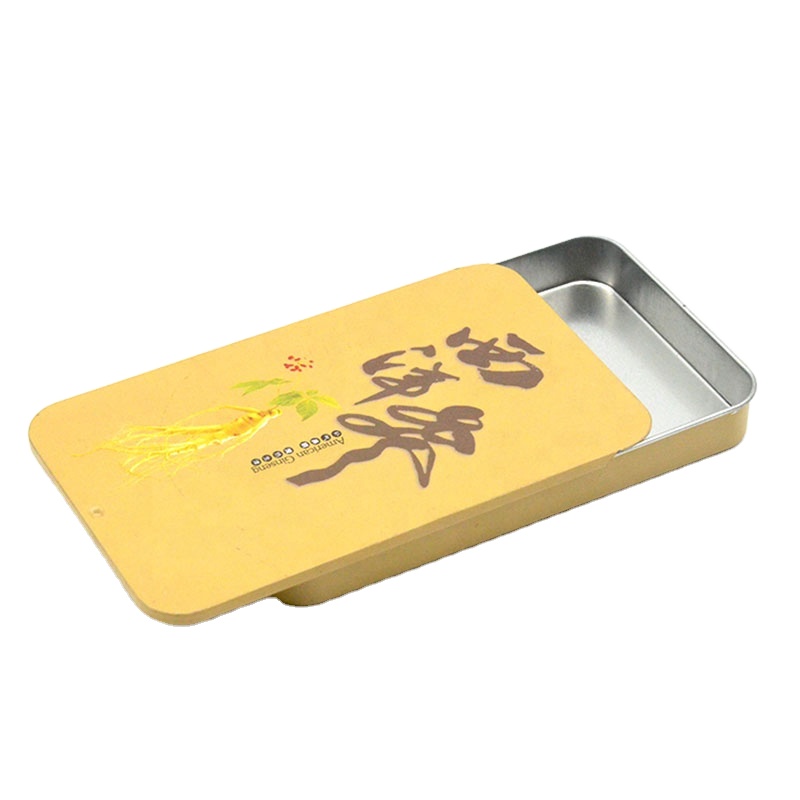
Fabricado con materiales resistentes y aptos para uso alimentario, diseñados para durar años.Las latas de menta cuentan con una tapa hermética que garantiza que la menta se mantenga fresca y sabrosa.Variedad de diseños de stylareh que seguro impresionarán.Haga fantásticos regalos para cualquier ocasión, desde cumpleaños hasta días festivos.Variedad de tamaños, lo que facilita encontrar el perfecto para sus necesidades.
LEER MÁS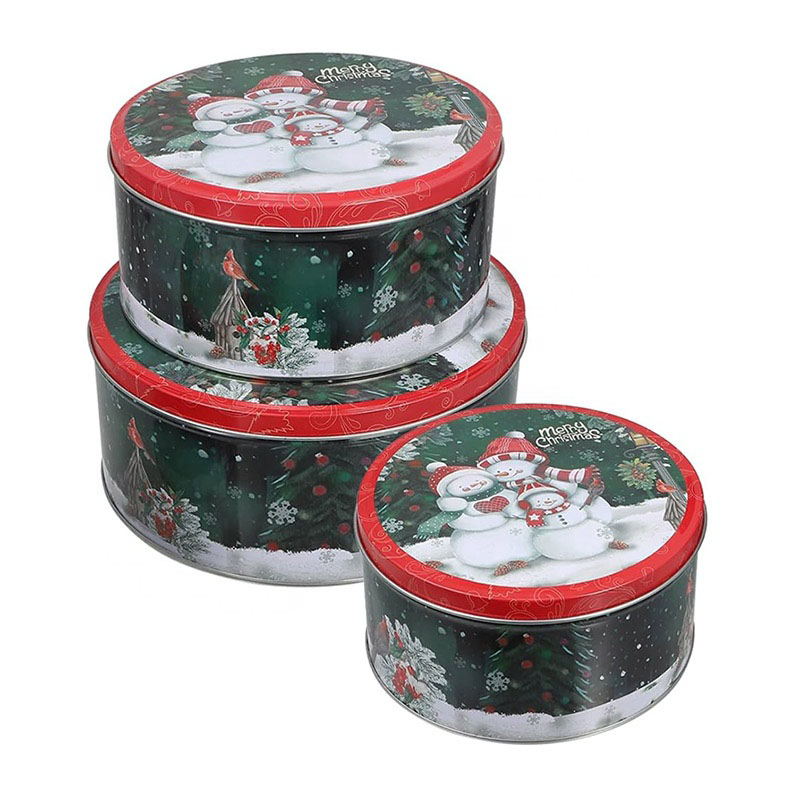
Contamos con una variedad de opciones de empaque de galletas para satisfacer sus necesidades específicas. Al emplear técnicas de sellado efectivas, sus obsequios pueden conservarse durante períodos de tiempo prolongados. Hemos establecido sólidas asociaciones con marcas de galletas de renombre como Oreo, Keebler, Chips Ahoy y Pepperidge Farm. Priorizamos la seguridad del embalaje de sus regalos utilizando únicamente hojalata de primera calidad y apta para uso alimentario. Garantizamos la más alta calidad en presentaciones de cajas de hojalata mediante el uso de maquinaria profesional de impresión Pantone y 4 colores.
LEER MÁS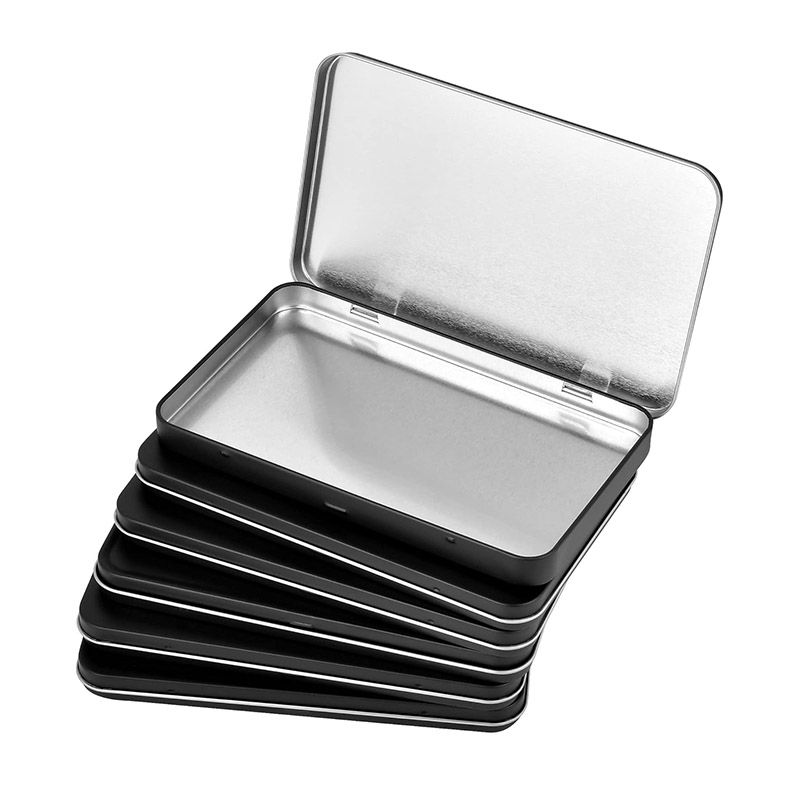
Amplia gama de soluciones de embalaje de hojalata para que usted elija, cubriendo toda la gama de productos.El proceso moderno aporta un buen sellado y un largo tiempo de almacenamiento.Entre los socios conocidos se incluyen marcas líderes como Mentos, Tic Tac y Altoids.El material de hojalata de primera calidad garantiza que la lata proporcione un sellado perfecto.Equipo de diseño profesional, equipo de impresión avanzado, presentación perfecta.
LEER MÁS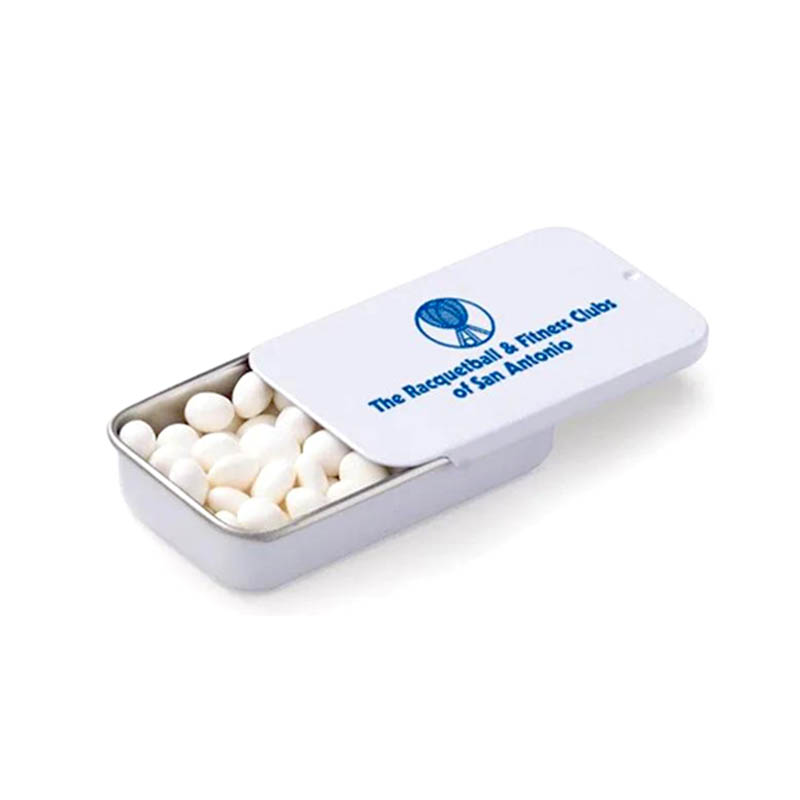
Fáciles de montar y desmontar, lo que los hace ideales para soluciones de almacenamiento temporal.Apilables, lo que los hace ideales para maximizar el espacio de almacenamiento.Ideal para exhibir artículos en tiendas minoristas, ya que se pueden abrir y cerrar fácilmente.Excelente manera de almacenar y organizar documentos, ya que son seguros y fáciles de etiquetar.Perfectos para regalar, ya que se pueden personalizar con un diseño o logo.
LEER MÁS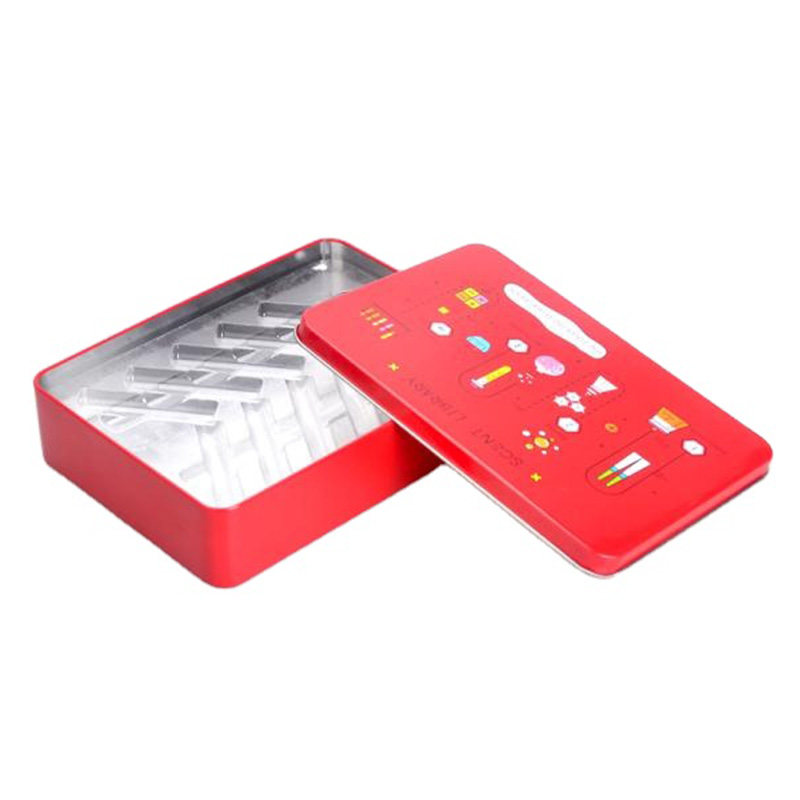
No importa qué tipo de embalaje necesite, tenemos opciones de embalaje de galletas adecuadas.Sus cookies se pueden almacenar durante períodos de tiempo más largos con técnicas de sellado exitosas.Oreo, Keebler, Chips Ahoy y Pepperidge Farm son marcas de galletas famosas que nos son leales.La utilización de hojalata de primera calidad apta para uso alimentario garantiza la seguridad del embalaje de sus galletas.Se utiliza maquinaria profesional de impresión pantone y de 4 colores para garantizar la calidad superior de las presentaciones de cajas de hojalata.
LEER MÁS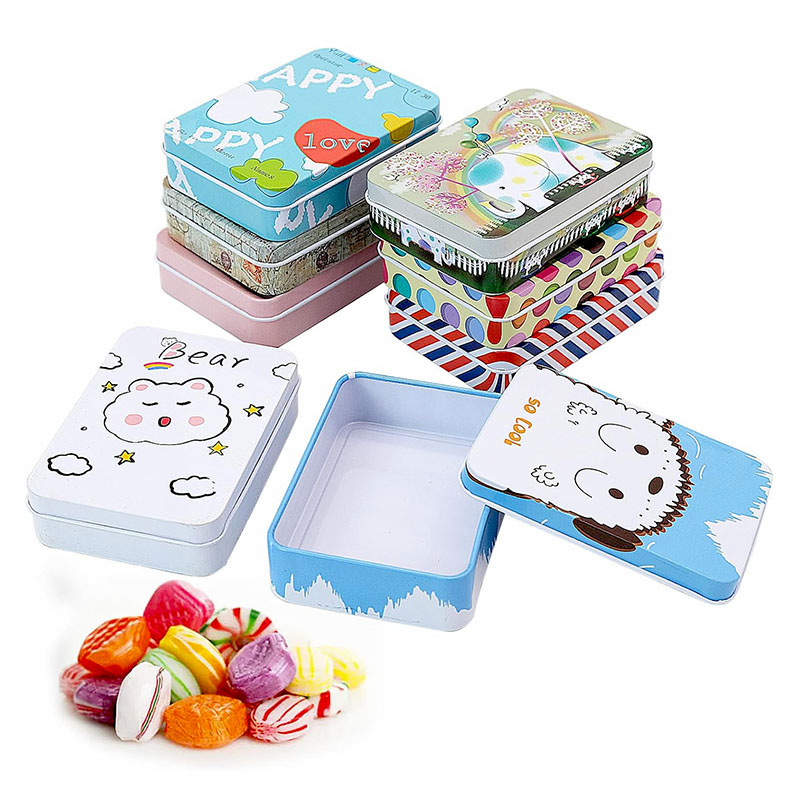
Estos contenedores están diseñados para apilarse sin esfuerzo, simplificando el almacenamiento y la organización.Estos contenedores no solo son reutilizables, sino que también son versátiles y sirven como almacenamiento y decoración.Con una variedad de tamaños, colores y diseños, puede descubrir el ajuste ideal para sus necesidades.El sencillo diseño de tapa abatible permite abrir y cerrar fácilmente.Elaborados con hojalata duradera, estos contenedores están construidos para resistir el uso diario.
LEER MÁS
Proporcione una variedad de tamaños para almacenar cualquier cantidad de menta y dulces.Estructura hermética y sellada para mantener la menta fresca y sabrosa.Asequible y ofrece una excelente relación calidad-precio.Material de hojalata reciclable que los convierte en una excelente opción ecológica.Los dispositivos avanzados de impresión en color Panton ofrecen diseños más modernos y valiosos.
LEER MÁS
Nuestra selección de opciones de embalaje de galletas está diseñada para satisfacer todo tipo de requisitos de embalaje.Con nuestras exitosas técnicas de sellado, puede asegurarse de que sus obsequios permanezcan frescos y conservados por más tiempo.Oreo, Keebler, Chips Ahoy y Pepperidge Farm son marcas de galletas famosas que nos son leales.Tenga la seguridad de que priorizamos la seguridad del embalaje de sus regalos utilizando hojalata de primera calidad apta para uso alimentario, lo que garantiza el más alto nivel de calidad.Para garantizar una calidad superior en las presentaciones de cajas de hojalata, empleamos maquinaria profesional de impresión Pantone y de 4 colores.
LEER MÁS
Independientemente del tipo de empaque, tenemos opciones de empaque de chocolate que satisfarán sus necesidades.Un sello hermético garantiza que las latas de chocolate se mantengan frescas durante un período prolongado.Las cajas de lata de chocolate están adornadas con diseños llamativos que las hacen fáciles de reconocer.La durabilidad y la calidad duradera de la lata de chocolate la convierten en una opción rentable para el envasado.La construcción robusta de las latas de chocolate las convierte en un recipiente ideal para protegerlas de roturas o aplastamientos.
LEER MÁS
Ofrecemos una variedad de opciones de empaque de cigarrillos para mejorar la calidad.Las latas de cigarrillos son una excelente manera de almacenarlos y mantenerlos frescos por más tiempo.Marlboro, Camel, Winston, estas marcas globales son nuestros socios corporativos a largo plazo.El material de hojalata apto para uso alimentario es resistente a la corrosión y mantendrá la frescura del cigarrillo.Equipos de impresión de la más alta calidad para exhibir perfectamente el diseño de su empaque de hojalata.
LEER MÁS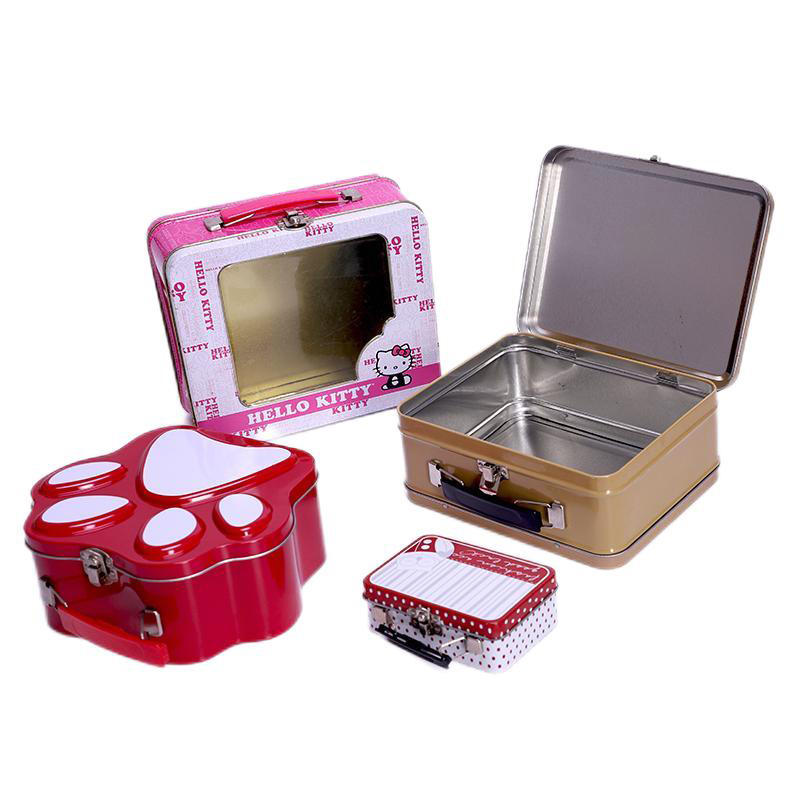
Contenedor de caja de hojalata con mango de plástico, tamaño: 196*170*80mm, Está hecho con material de hojalata de 0,23 mm de espesor, impresión CMYK 4 colores o panton, admitimos cualquier personalización.
LEER MÁS
No importa qué tipo de embalaje necesite, tenemos la solución perfecta para usted.Las técnicas avanzadas garantizan un sellado eficaz de sus productos, lo que permite capacidades de almacenamiento ampliadas.Entre nuestros clientes leales se encuentran marcas de alimentos de renombre como Oreo, Keebler, Chips Ahoy y Pepperidge Farm.Tenga la seguridad de que sus productos estarán envasados en hojalata de primera calidad, que es segura para el contacto directo con los alimentos.La maquinaria profesional de impresión Pantone y 4 colores garantiza presentaciones en cajas de hojalata de calidad superior para sus productos.
LEER MÁS
Tenemos la solución de embalaje adecuada esperándole, adaptada a sus necesidades.Nuestros métodos de vanguardia garantizan que sus productos estén sellados de forma segura, lo que permite un almacenamiento prolongado.Algunos de los nombres más importantes del sector alimentario, incluidos Oreo, Keebler, Chips Ahoy y Pepperidge Farm, confían en nosotros para sus negocios.Puede estar seguro de que sus productos se empaquetarán en hojalata de primera calidad, segura para el contacto con alimentos.La última tecnología Pantone y de impresión a 4 colores garantiza que sus cajas de hojalata se destaquen con una calidad inigualable en las presentaciones de sus productos.
LEER MÁS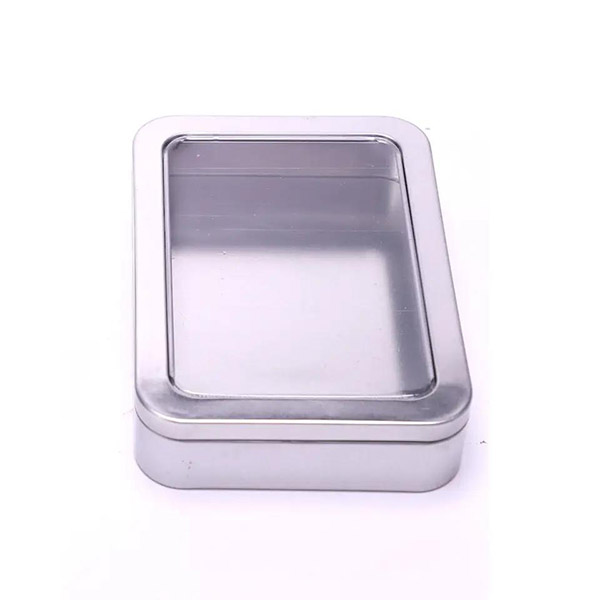
Caja de hojalata con ventana, tamaño: 127 * 93 * 30 mm, está hecha de hojalata de 0,23 mm de espesor, Impresión CMYK 4 colores o panton, admitimos cualquier personalización.
LEER MÁS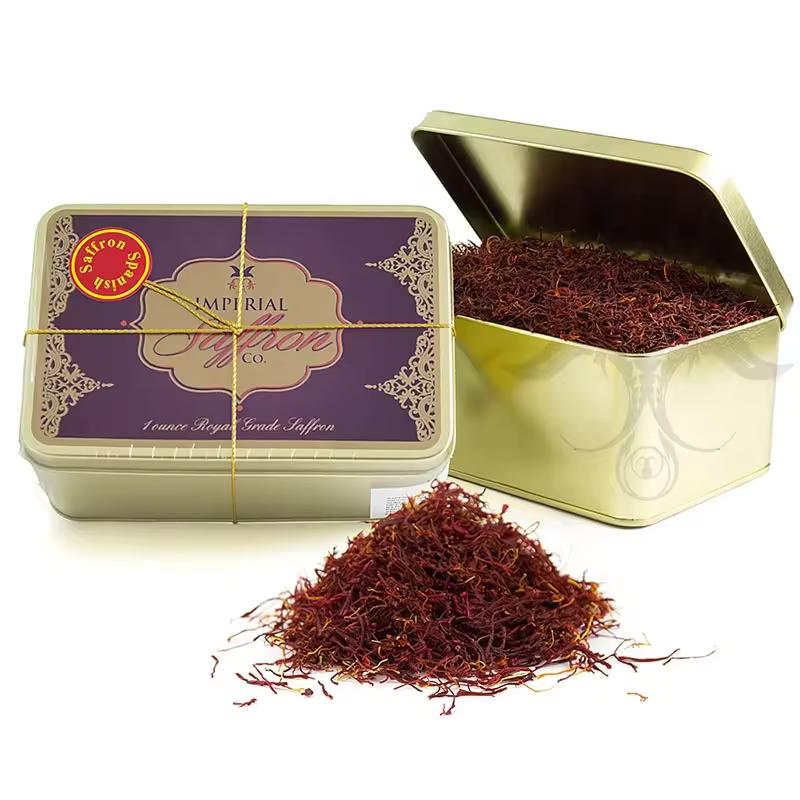
Amplia gama de soluciones de embalaje de hojalata para que usted elija, cubriendo toda la gama de productos.El proceso moderno aporta un buen sellado y un largo tiempo de almacenamiento.Entre los socios conocidos se incluyen marcas líderes como Mentos, Tic Tac y Altoids.El material de hojalata de primera calidad garantiza que la lata proporcione un sellado perfecto.Equipo de diseño profesional, equipo de impresión avanzado, presentación perfecta.
LEER MÁS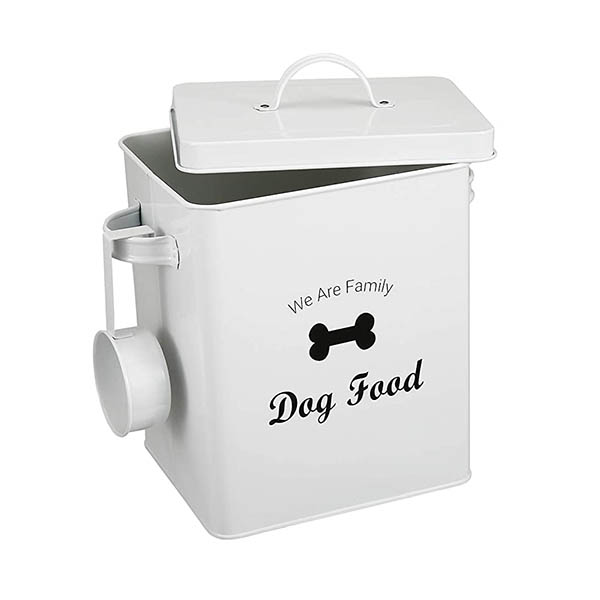
Contenedor de almacenamiento de estaño para alimentos para mascotas, tamaño: 180 * 155 * 230 mm, está hecho con una placa galvanizada de 0,35 mm de espesor, Impresión CMYK 4 colores o panton, admitimos cualquier personalización.
LEER MÁS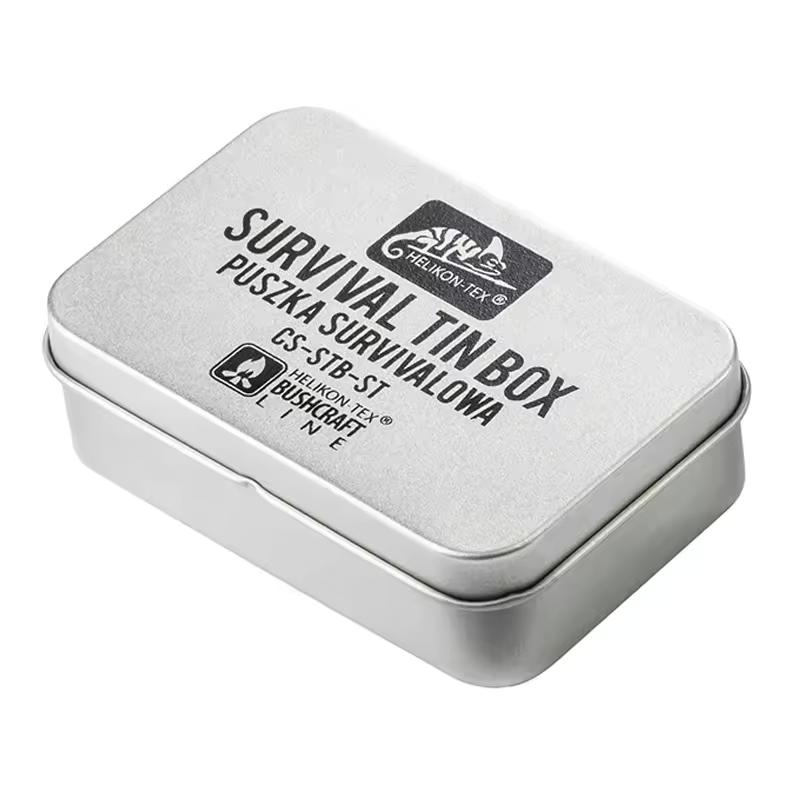
Diseñados para apilarse fácilmente, estos contenedores facilitan el almacenamiento y la organización.Estos contenedores no sólo son reutilizables sino también versátiles y sirven tanto de almacenamiento como de decoración.Con una variedad de tamaños, colores y diseños, puede encontrar el que mejor se adapte a sus necesidades.El diseño simple de tapa abatible permite abrir y cerrar fácilmente.Hechos de hojalata duradera, estos contenedores están diseñados para durar y resistir el uso diario.
LEER MÁS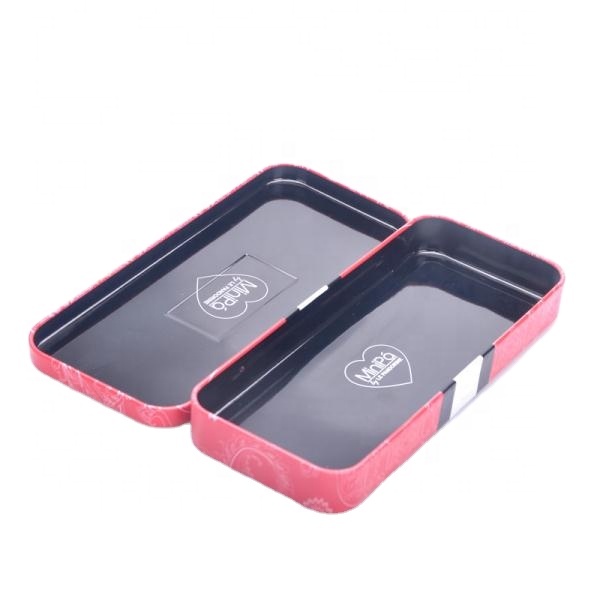
Portalápices de hojalata de metal, tamaño: 195*85*25 mm, está hecho con hojalata de 0,23 mm de espesor, Impresión CMYK 4 colores o panton, admitimos cualquier personalización.
LEER MÁS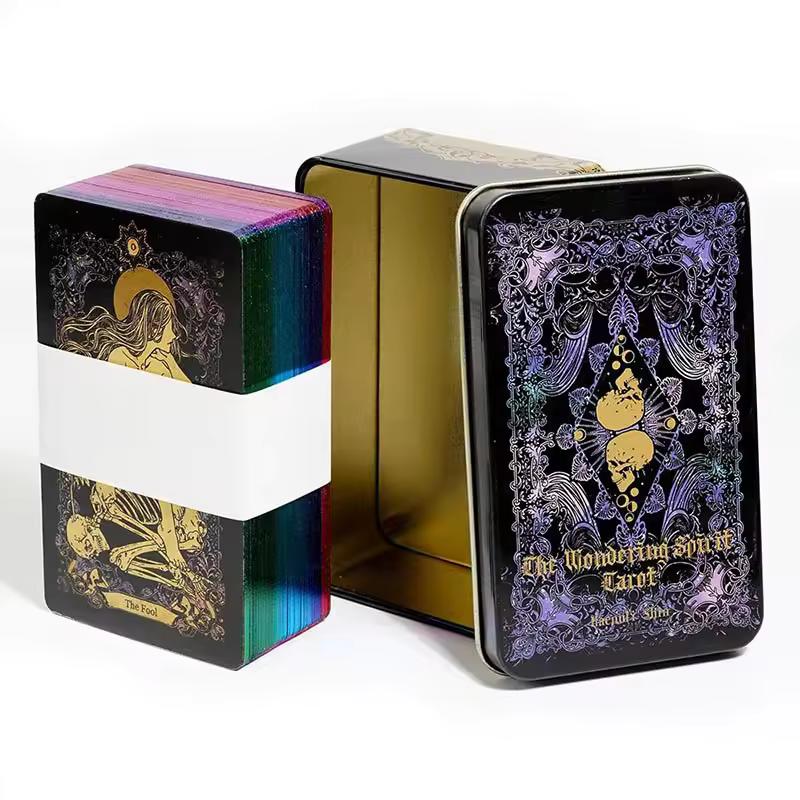
Explore una amplia gama de soluciones de embalaje de hojalata diseñadas para adaptarse a una amplia gama de productos.Nuestros procesos contemporáneos garantizan un sellado seguro y un tiempo de almacenamiento prolongado.Asóciese con marcas reconocidas como Mentos, Tic Tac y Altoids.El uso de material de hojalata de primera calidad garantiza un sellado impecable de sus envases de hojalata.Benefíciese de un equipo de diseño profesional, equipos de impresión de última generación y estándares de presentación impecables.
LEER MÁS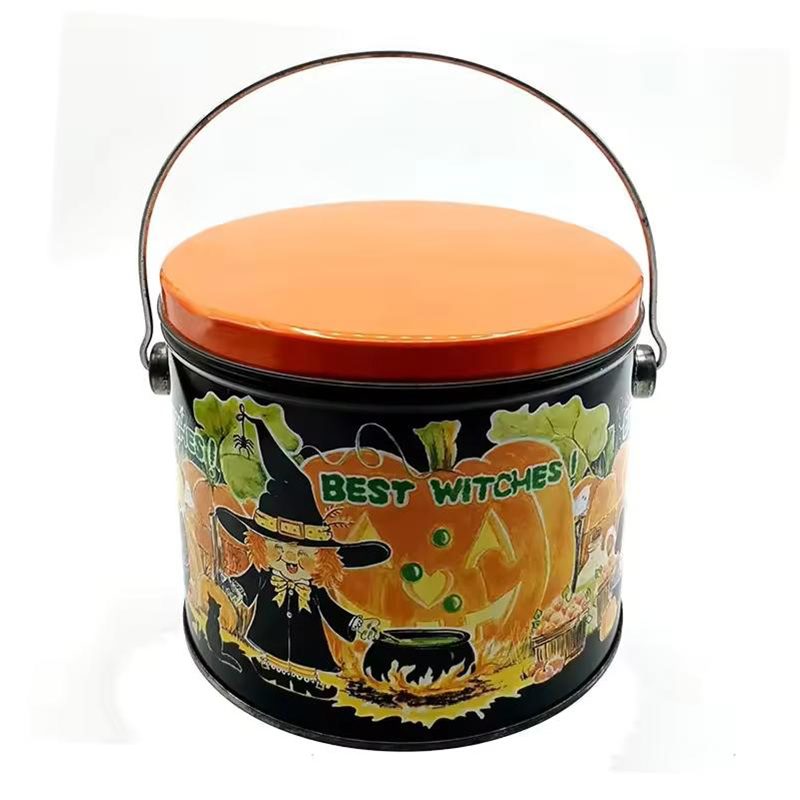
Nuestras opciones de empaque de galletas se pueden adaptar para cumplir con sus requisitos de empaque específicos.Para el almacenamiento prolongado de sus cookies, se pueden utilizar técnicas de sellado avanzadas.Privilegio de servir marcas de galletas reconocidas como Oreo, Keebler, Chips Ahoy y Pepperidge Farm.El embalaje de tus galletas es totalmente seguro para el contacto con alimentos ya que está fabricado en hojalata de primera calidad.Se emplea maquinaria profesional de impresión pantone y de 4 colores para garantizar la superioridad de las presentaciones en cajas de hojalata.
LEER MÁS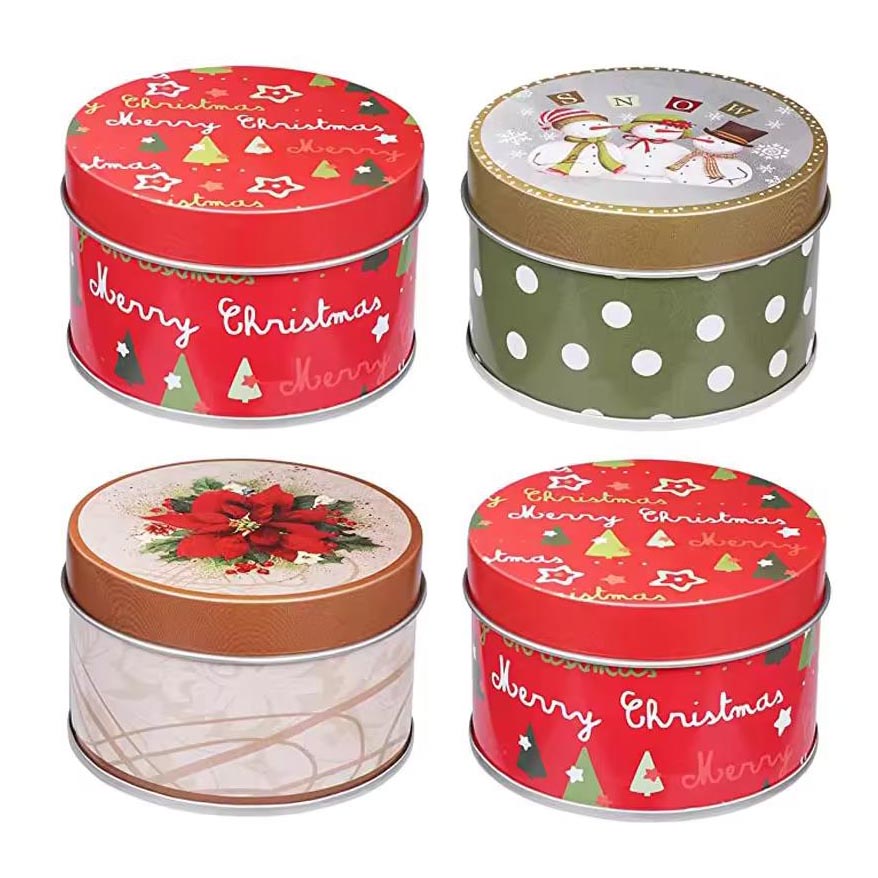
Ofrecemos opciones de embalaje de galletas que son adecuadas para todo tipo de embalaje.Se pueden utilizar técnicas de sellado avanzadas para garantizar un almacenamiento prolongado y la frescura de sus cookies.Con la capacidad de mantener fuera el aire y la humedad, las cajas de lata para galletas son perfectas para preservar la frescura.La lata para galletas es una opción de embalaje duradera y duradera, lo que la convierte en una opción rentable.Las cajas de lata para galletas están diseñadas con una variedad de formas y tamaños para satisfacer sus preferencias individuales.
LEER MÁS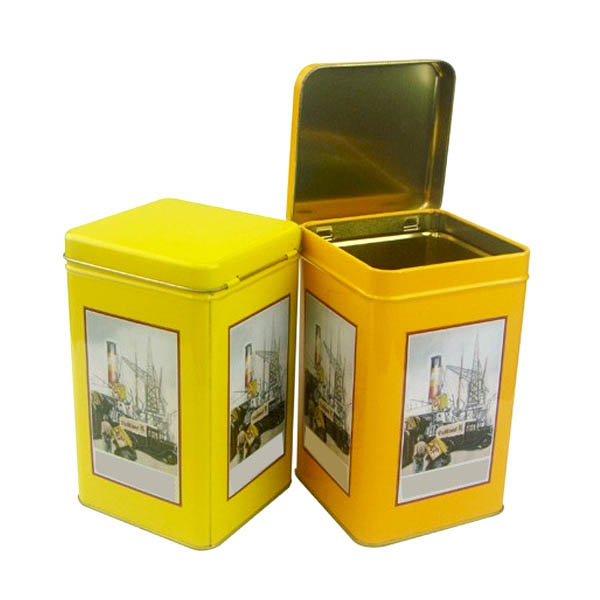
Caja de hojalata con tapa abatible, tamaño: 102*102*170mm, Está hecho con material de hojalata de 0,23 mm de espesor, CMYK 4 colores e impresión panton, admitimos cualquier personalización.
LEER MÁS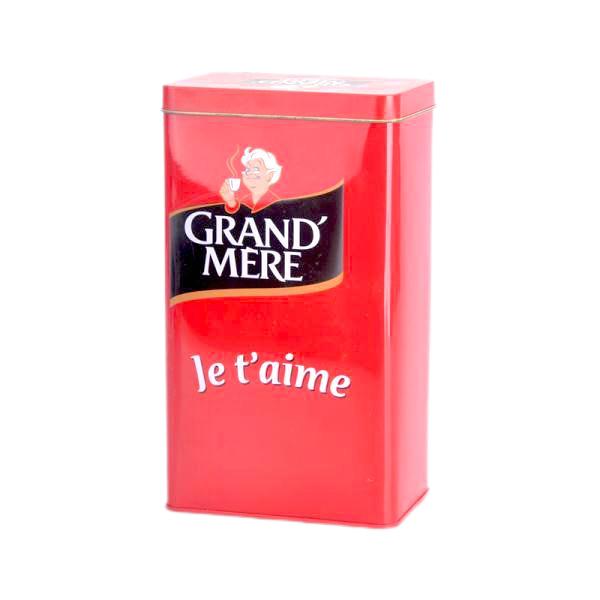
Disponemos de una serie de soluciones de envasado de latas de té para que usted elija.El proceso mejorado proporcionará un sellado eficaz y un almacenamiento a largo plazo para su té.Las mejores marcas de té como Lipton, Twinings y Tetley son nuestros clientes leales.El empaque del té está hecho con hojalata de calidad alimentaria aprobada por la FDA para garantizar la máxima seguridad.Equipo de impresión profesional para presentar perfectamente el diseño del empaque de la lata de té.
LEER MÁS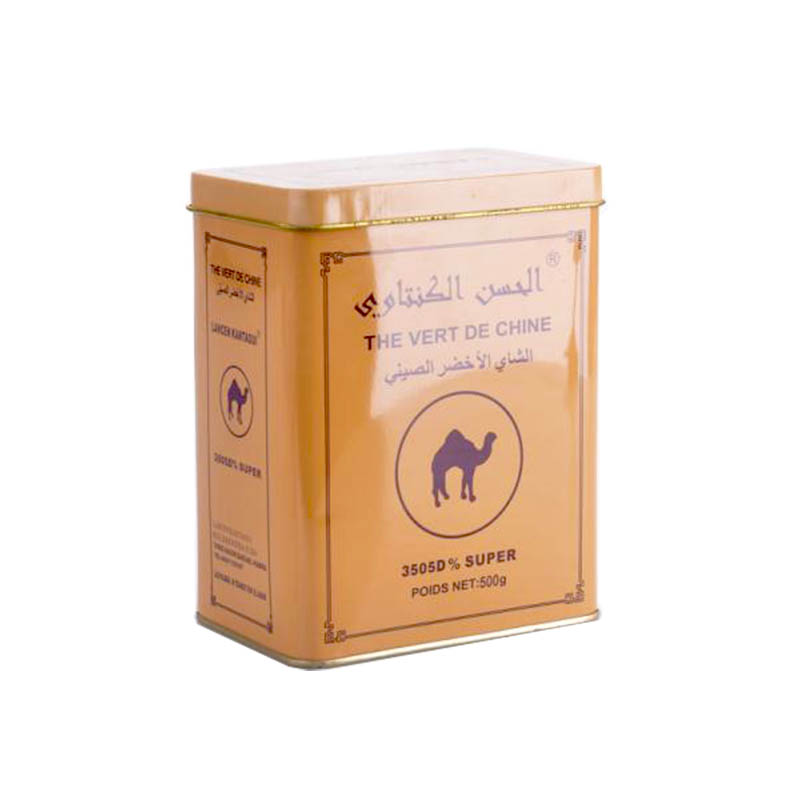
Caja de lata de té de café rectangular, tamaño: 85 * 85 * 150 mm, Está hecho con material de hojalata de 0,23 mm de espesor, CMYK 4 colores e impresión panton, admitimos cualquier personalización.
LEER MÁS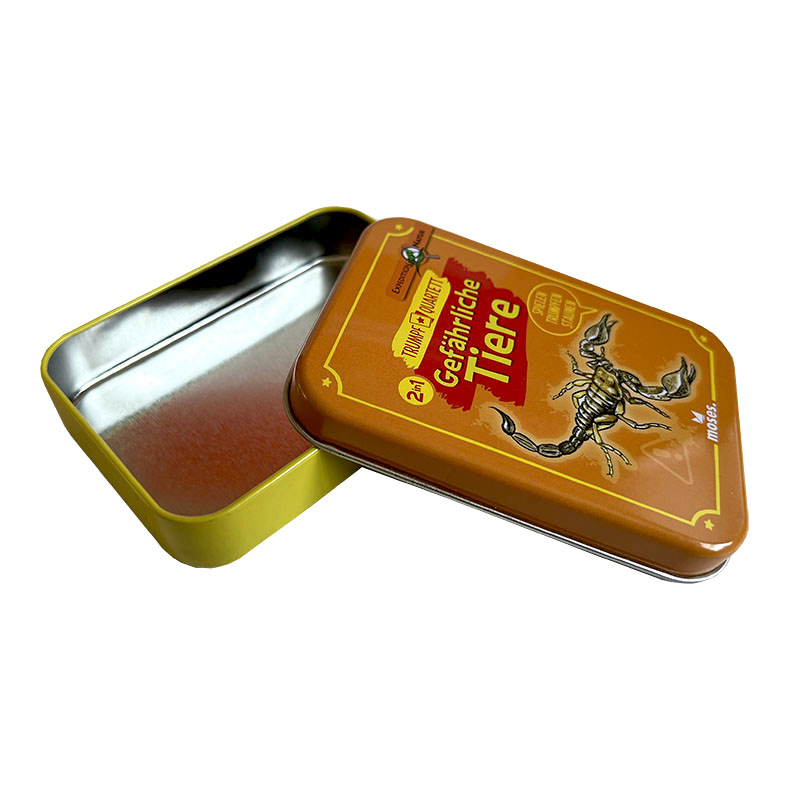
Caja pequeña de caja de hojalata de metal, tamaño: 95 * 65 * 19 mmmm, Está hecho con material de hojalata de 0,23 mm de espesor, CMYK 4 colores e impresión panton, admitimos cualquier personalización.
LEER MÁS
Fabricado en hojalata de calidad alimentaria, adaptable para diversas aplicaciones.Robusto y protección contra la humedad y la luz, larga conservación del contenido.Ofrece múltiples tamaños y estilos, que se adaptan fácilmente a su demanda diversificada.Personalizable con logotipos y diseños, satisface las necesidades individuales o de marca de embalaje.Reutilizados para almacenamiento o como elementos decorativos, reciclables y respetuosos con el medio ambiente.
LEER MÁS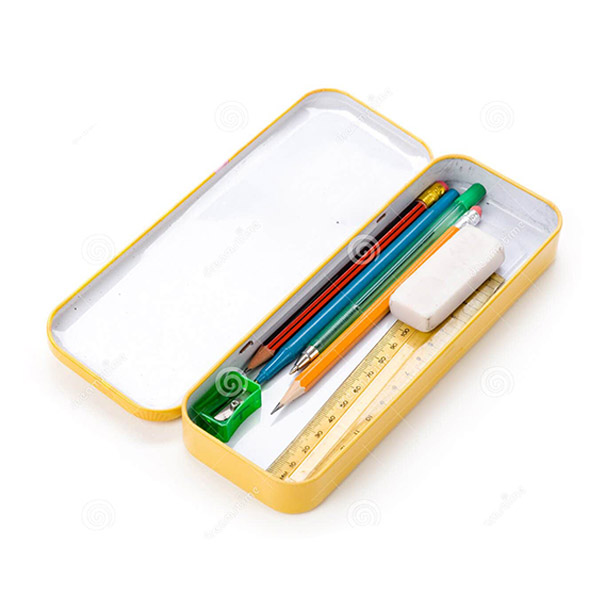
Construido con materiales robustos de hojalata, lo que garantiza su durabilidad y longevidad.Proteja su material de oficina con una barrera segura, protegiéndolos de daños o pérdidas.Una amplia variedad de tamaños y estilos, incluidos soportes y estuches, se adaptan a todas sus necesidades y preferencias específicas.Con máquina de impresión a color de última generación, agregando un toque personalizado y cautivador a cada uno.Le garantizamos que recibirá productos de primera categoría de una calidad excepcional a un precio altamente competitivo.
LEER MÁS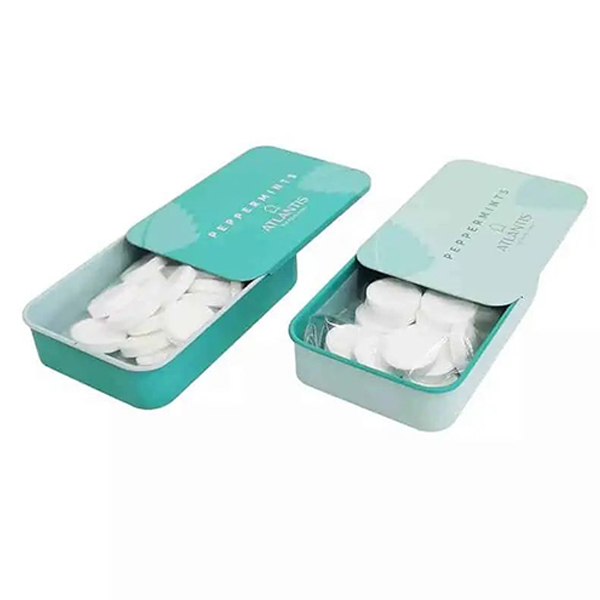
Fáciles de montar y desmontar, lo que los hace ideales para soluciones de almacenamiento temporal.Apilables, lo que los hace ideales para maximizar el espacio de almacenamiento.Ideal para exhibir artículos en tiendas minoristas, ya que se pueden abrir y cerrar fácilmente.Excelente manera de almacenar y organizar documentos, ya que son seguros y fáciles de etiquetar.Perfectos para regalar, ya que se pueden personalizar con un diseño o logo.
LEER MÁS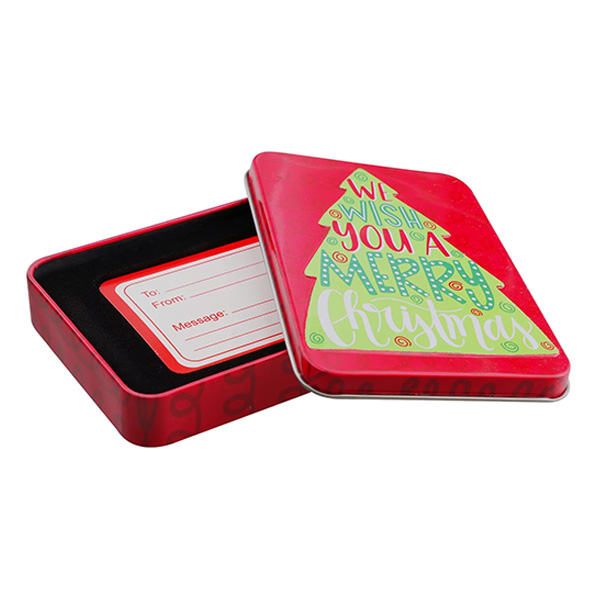
Diseñados para apilarse fácilmente, estos contenedores facilitan el almacenamiento y la organización.Estos contenedores no sólo son reutilizables sino también versátiles y sirven tanto de almacenamiento como de decoración.Con una variedad de tamaños, colores y diseños, puede encontrar el que mejor se adapte a sus necesidades.El diseño simple de tapa abatible permite abrir y cerrar fácilmente.Hechos de hojalata duradera, estos contenedores están diseñados para durar y resistir el uso diario.
LEER MÁS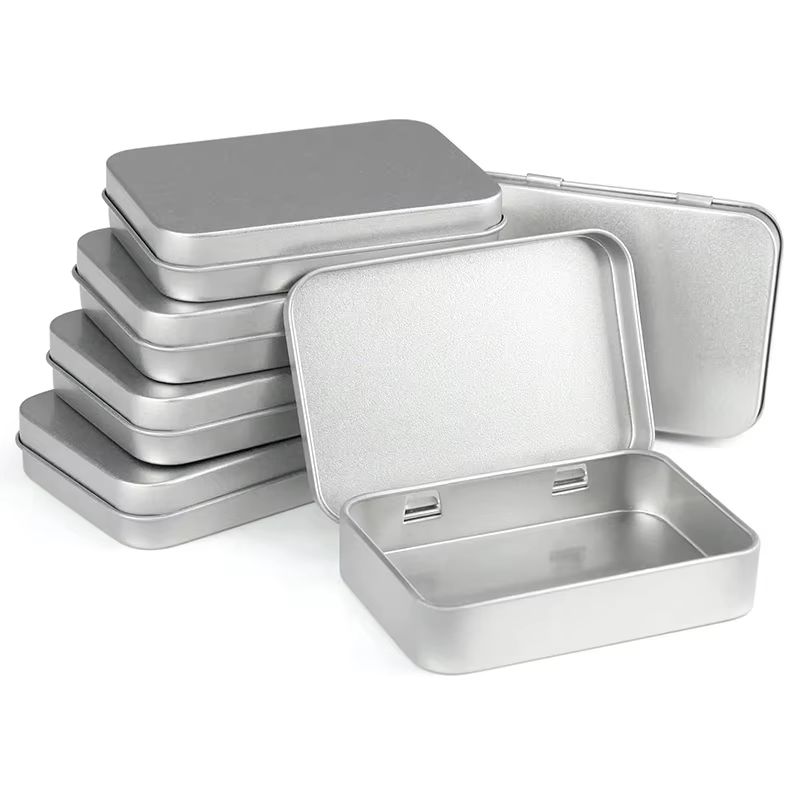
Una caja de lata de jabón ofrece una solución de embalaje duradera y ecológica para almacenar y proteger el jabón. Su resistente estructura metálica garantiza que el jabón permanezca seco e intacto, mientras que su diseño compacto lo hace perfecto para viajar. Con opciones personalizables y varios estilos, agrega un toque elegante a tu rutina de cuidado personal.
LEER MÁS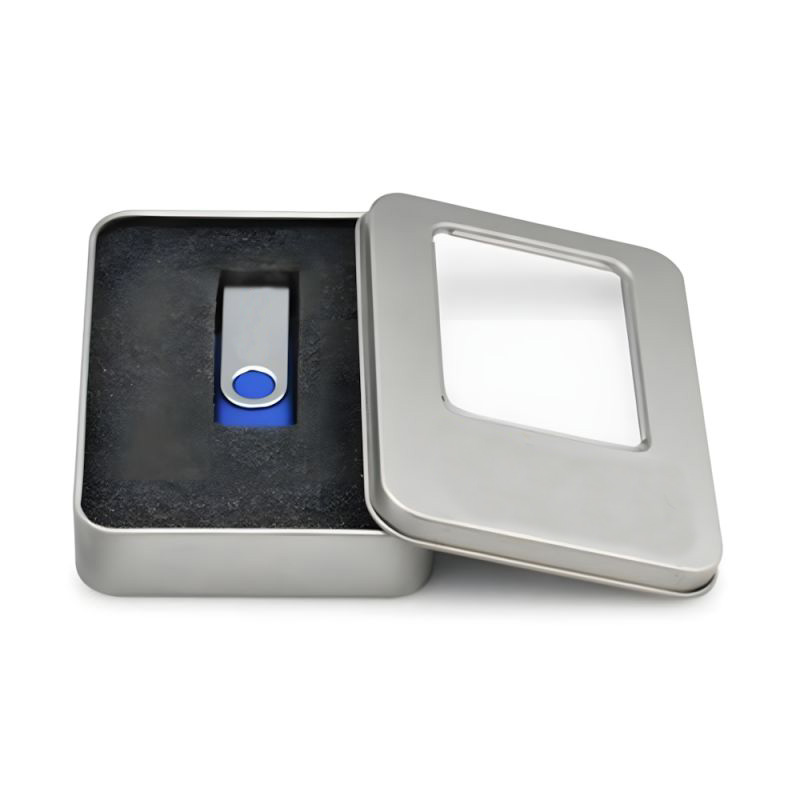
Una caja metálica de hojalata para USB es una solución de embalaje duradera y elegante, perfecta para almacenar y proteger sus unidades USB. Su robusta construcción metálica protege el USB de daños, asegurando su longevidad y confiabilidad. El diseño compacto facilita su transporte y almacenamiento, ya sea en casa o mientras viaja. Disponible en varios estilos y opciones personalizables, la caja de metal USB agrega un toque profesional y elegante a sus accesorios tecnológicos, lo que la convierte en una excelente opción para uso personal y corporativo.
LEER MÁS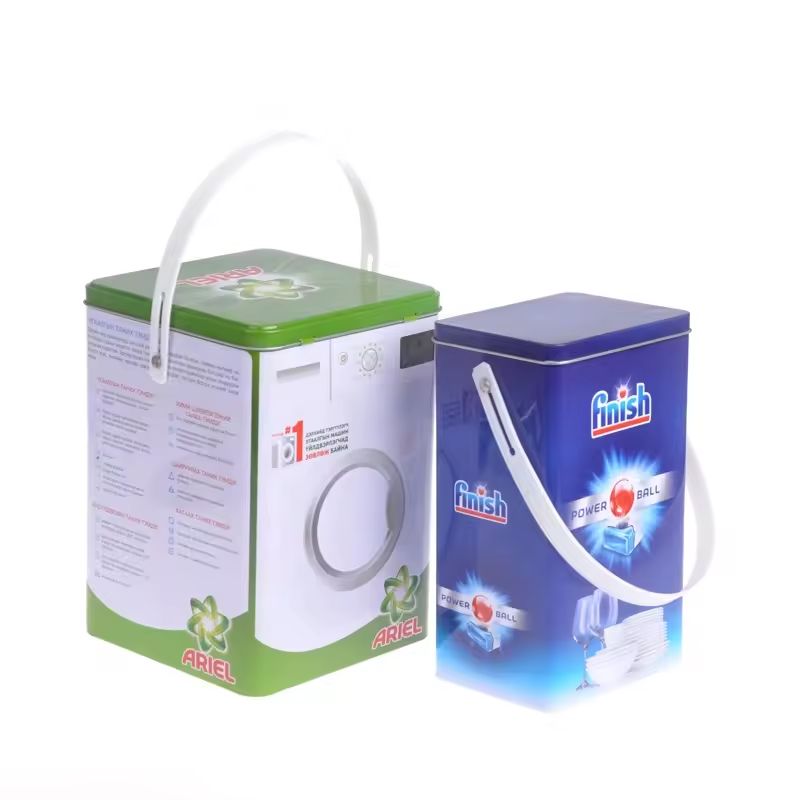
Una caja de lata para detergente para ropa es una opción de embalaje duradera y ecológica, perfecta para almacenar y conservar el detergente. Su robusta construcción metálica mantiene el detergente seco y a salvo de la humedad, garantizando una frescura duradera. El diseño compacto lo hace conveniente para almacenamiento y viajes. Disponible en varios diseños con opciones personalizables, agrega un toque de sofisticación a su rutina de lavado.
LEER MÁS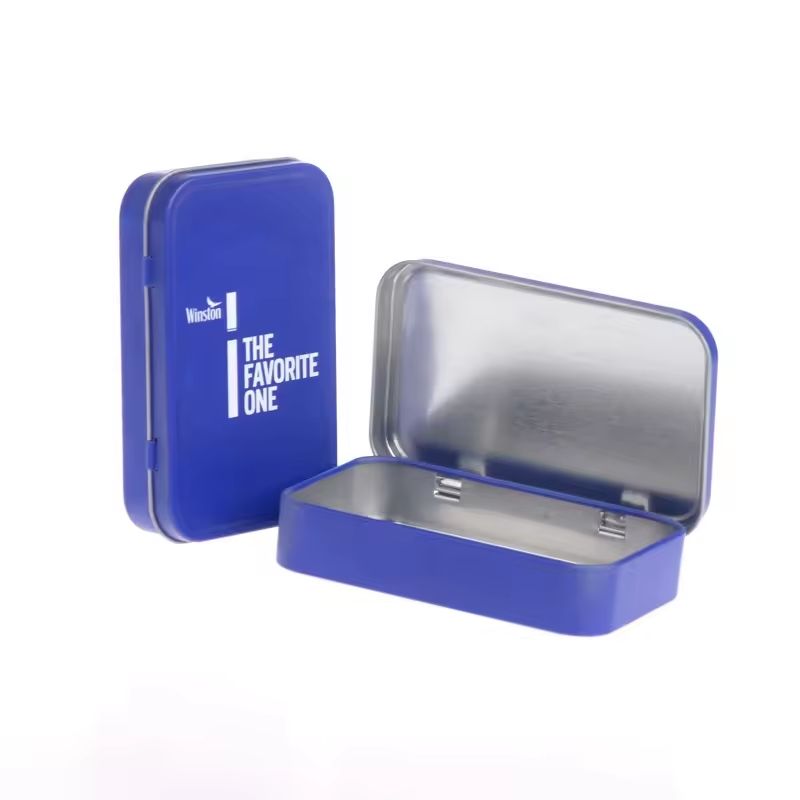
Una caja metálica de lata para condones es una solución de embalaje discreta y duradera, ideal para mantener los condones seguros e intactos. Su robusta construcción metálica protege el contenido contra daños, mientras que el diseño compacto facilita su transporte. Disponible en varios estilos y opciones personalizables, agrega un toque de sofisticación a sus elementos esenciales de cuidado personal.
LEER MÁS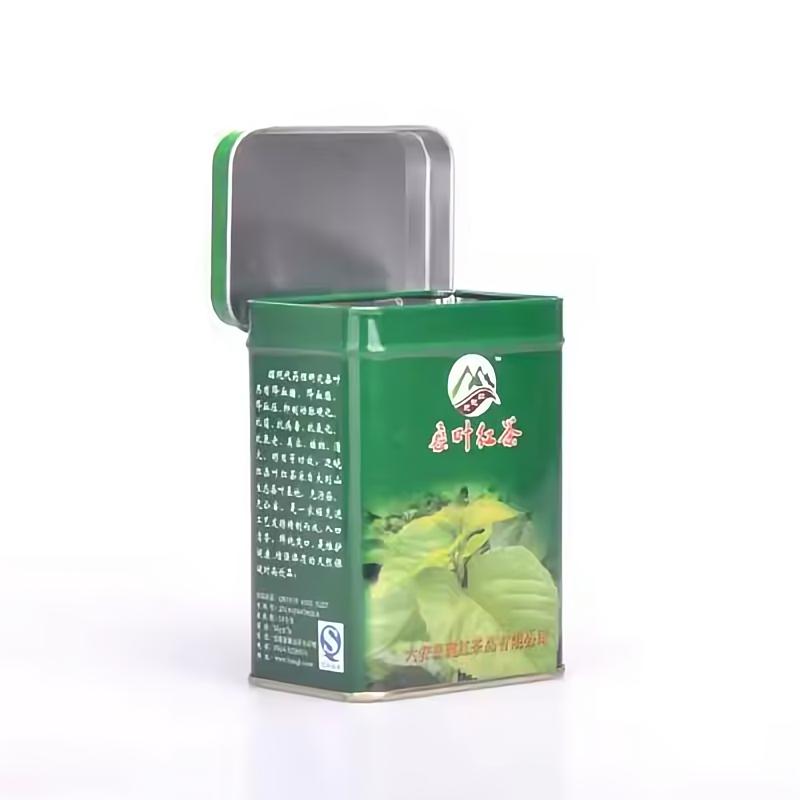
Explore nuestros envases de lata para té de primera calidad, elaborados para mantener la frescura y el sabor de su té. Disponibles en tamaños y diseños personalizables, estas latas de alta calidad combinan funcionalidad con elegancia, lo que las convierte en la opción ideal para las marcas y entusiastas del té.
LEER MÁS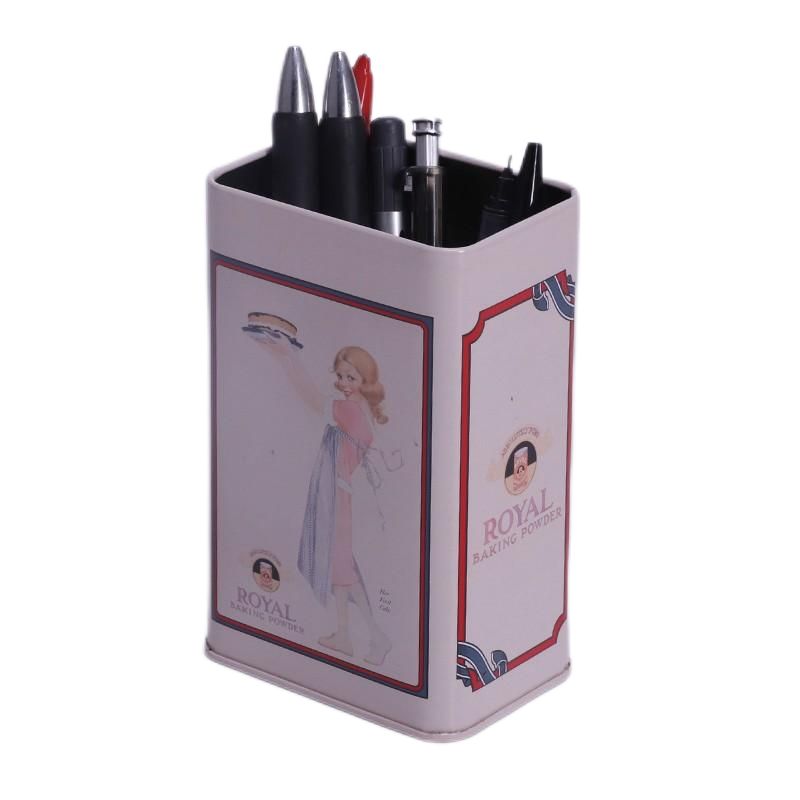
Mantenga su escritorio ordenado con nuestro duradero portalápices de hojalata. Diseñado tanto para la función como para la moda, este soporte es perfecto para organizar bolígrafos, lápices y más. Su robusta construcción de hojalata garantiza la longevidad, mientras que sus opciones personalizables le permiten combinar con cualquier decoración.
LEER MÁS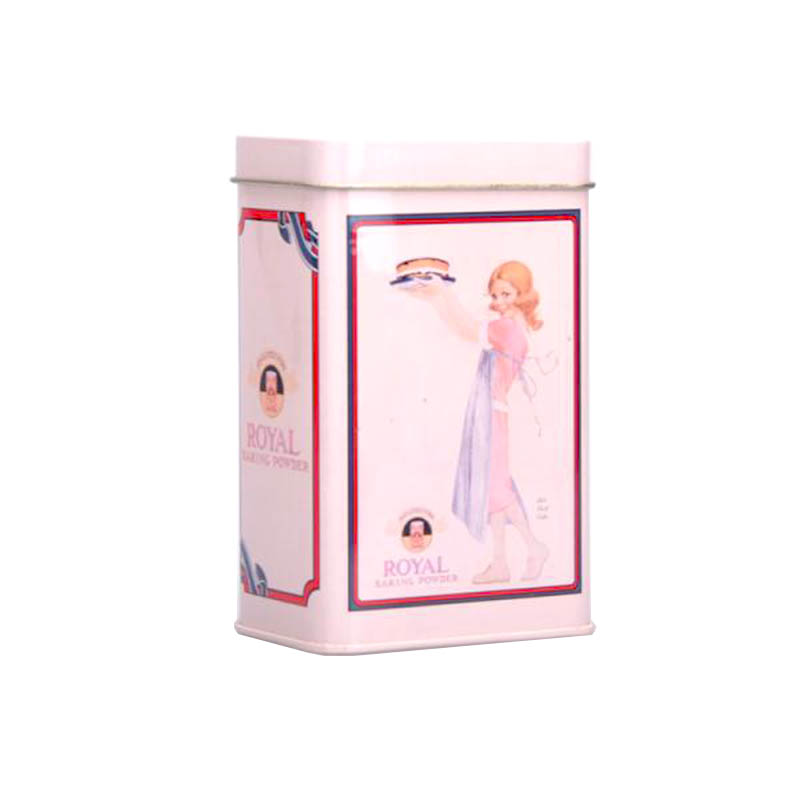
Le ofrecemos una variedad de soluciones de envasado de latas de té para elegir.Los procesos avanzados pueden brindarle a su té un buen sellado y un almacenamiento prolongado.Lipton, Twinings y Tetley, estas famosas marcas de té, son nuestros clientes leales.La hojalata de calidad alimentaria aprobada por la FDA puede garantizar la seguridad absoluta del envase de su té.Los equipos profesionales de impresión panton y de 4 colores garantizan una presentación de alta calidad de las cajas de hojalata.
LEER MÁS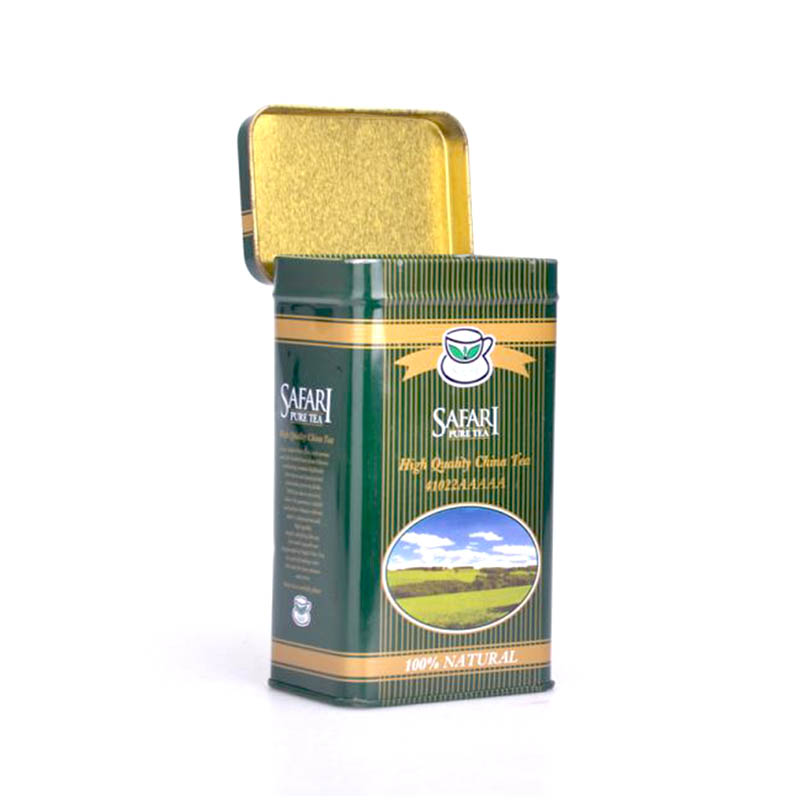
La hojalata reciclable los convierte en una excelente opción ecológica.Ideales para regalar, ya que se pueden personalizar con etiquetas o pegatinas.Variedad de colores y diseños, haciéndolos atractivos y decorativos.La estructura altamente hermética y sellada soporta almacenar té de hojas sueltas, manteniéndolo a salvo de la humedad y el aire.Logotipo y diseños personalizables que son una forma atractiva de almacenar y jugar al té.
LEER MÁS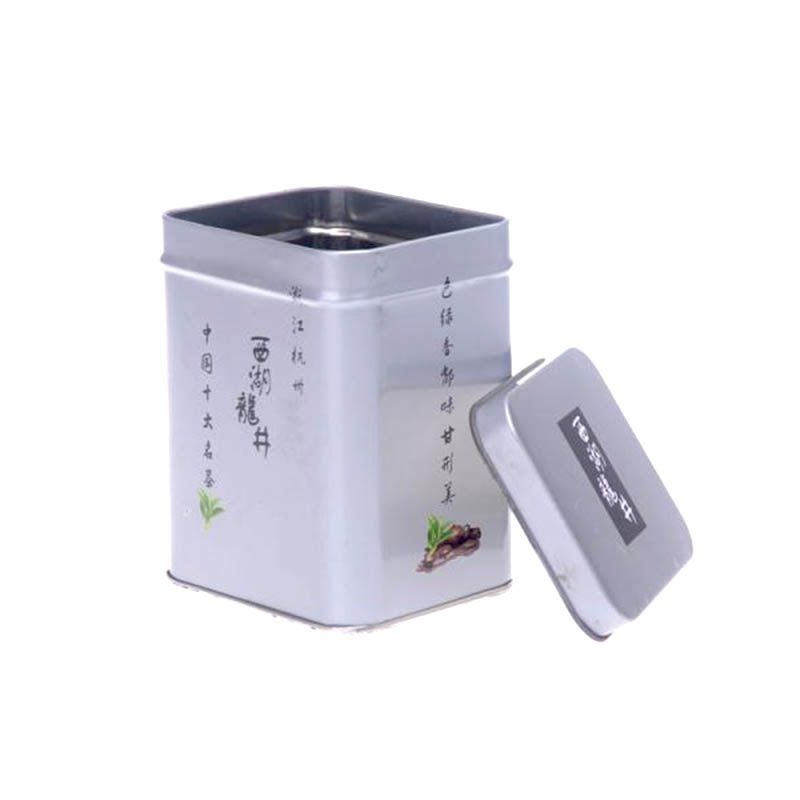
Soporte personalizado con tu propio diseño o logo, para que puedas hacerlos únicos.Variedad de tamaños, lo que facilita encontrar el adecuado a sus necesidades.Cooperación a largo plazo con marcas famosas como Lipton, Twinings y Tetley.Hojalata con certificado de calidad alimentaria que mantiene la seguridad de su té y café.Soporte técnico de impresión preciso personalizado con su propio diseño o logotipo que puede hacerlos únicos.
LEER MÁS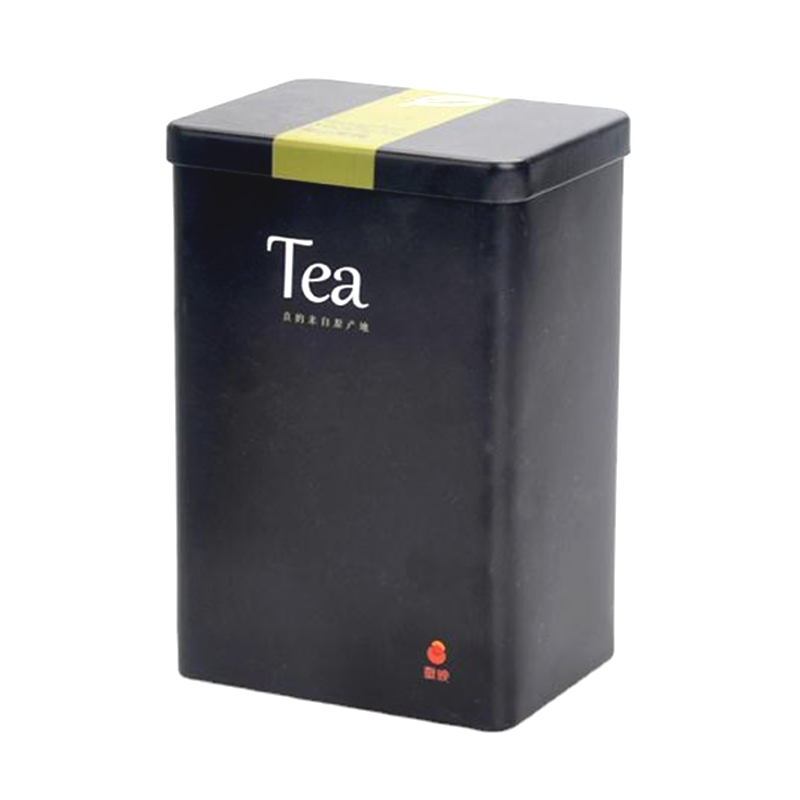
Durable y puede soportar los rigores del envío y la manipulación.Atractivo y llamativo, lo que lo convierte en una excelente opción para regalar.Rentable y puede ayudarle a ahorrar dinero en costos.Fabricado con materiales resistentes y aptos para uso alimentario, diseñados para durar años.Múltiples diseños de stylareh que seguramente impresionarán.
LEER MÁS
Forma económica de promocionar su negocio o marca.Opción de embalaje asequible tanto para empresas como para particulares.Fabricados con materiales reciclables, lo que los convierte en una opción de embalaje ecológico.Variedad de colores y diseños, lo que los convierte en una atractiva opción de empaque.Diseñado con una tapa segura para garantizar que los artículos permanezcan seguros y protegidos.
LEER MÁS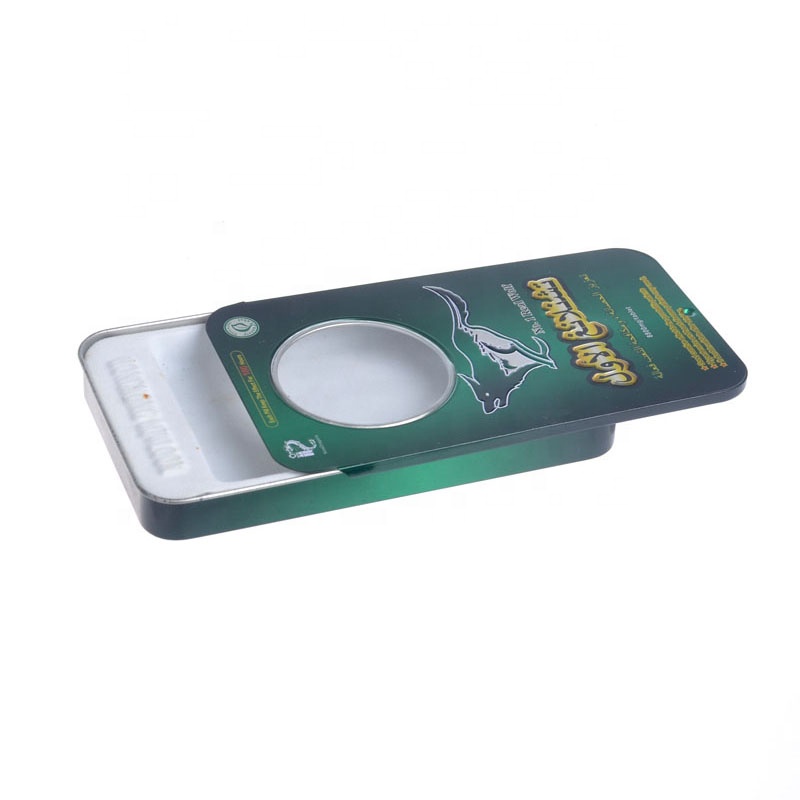
Tapa hermética para mantener el aire fuera y mantener el excelente sabor de la menta.Variedad de tamaños, para que puedas encontrar el tamaño perfecto para tus necesidades.Aspecto elegante y moderno que quedará genial en cualquier encimera.Fabricado con materiales ecológicos que son mejores para el medio ambiente.Personalizados con tu propio diseño o logo, para que puedas hacerlos únicos.
LEER MÁS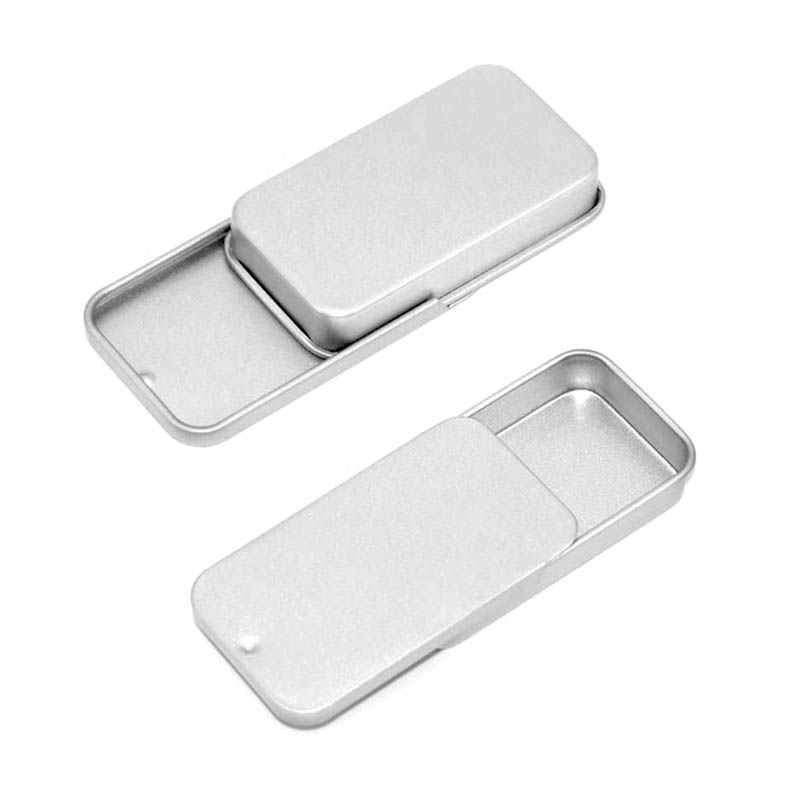
Perfecto para almacenar y proteger artículos del polvo, la suciedad y la humedad.Ligeros y duraderos, lo que los hace ideales para enviar y transportar artículos.Variedad de tamaños y formas, lo que le permite personalizar sus necesidades de almacenamiento.Múltiples colores y diseños, lo que le permite personalizar sus necesidades de almacenamiento.Opción de embalaje asequible para empresas.
LEER MÁS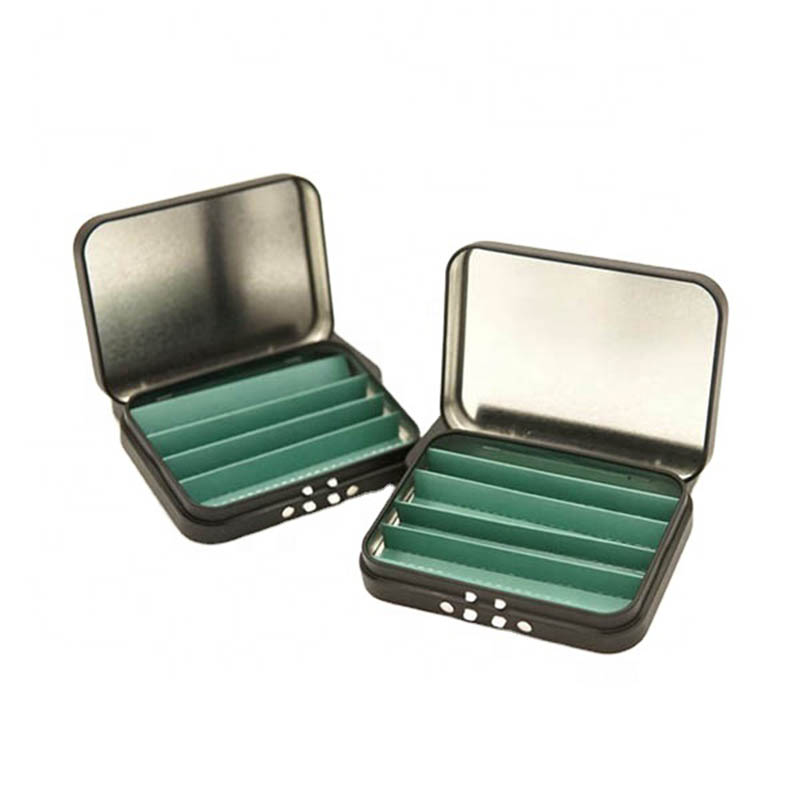
Existen más de 100 moldes que pueden satisfacer sus diversas demandas.Herméticos y sellados los hacen ideales para almacenar artículos como especias y hierbas.Cooperación a largo plazo con Mentos, Tic Tac, Altoids.Opción de embalaje ecológico ya que son reutilizables y reciclables.Excelente manera de crear una exhibición única y atractiva.
LEER MÁS
Independientemente del tipo de empaque, tenemos opciones de empaque de chocolate que satisfarán sus necesidades.Un sello hermético garantiza que las latas de chocolate se mantengan frescas durante un período prolongado.Las cajas de lata de chocolate están adornadas con diseños llamativos que las hacen fáciles de reconocer.La durabilidad y la calidad duradera de la lata de chocolate la convierten en una opción rentable para el envasado.La construcción robusta de las latas de chocolate las convierte en un recipiente ideal para protegerlas contra roturas o aplastamientos.
LEER MÁS
Independientemente del tipo de embalaje, ofrecemos opciones adecuadas para sus necesidades de embalaje de dulces.Al utilizar técnicas avanzadas, puede lograr un sellado eficiente y extender la vida útil de almacenamiento de sus dulces.Entre nuestros clientes fieles se encuentran marcas de galletas destacadas como Oreo, Keebler, Chips Ahoy y Pepperidge Farm.Utilizamos hojalata de primera calidad apta para el contacto directo con alimentos, garantizando que el embalaje de sus galletas sea totalmente seguro.Nuestro uso de equipos profesionales de impresión Pantone y de cuatro colores garantiza una calidad y presentación excepcionales de las cajas de hojalata.
LEER MÁS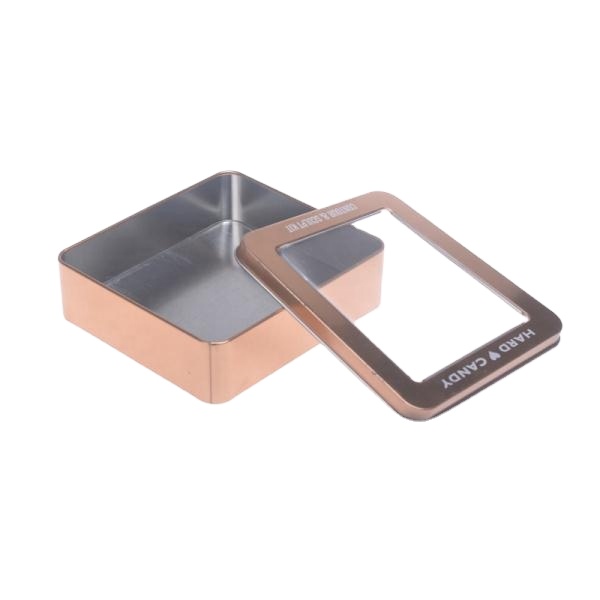
Independientemente del tipo de embalaje que necesite, tenemos opciones de embalaje de galletas que funcionarán.Se puede lograr un almacenamiento prolongado de cookies y un sellado efectivo mediante técnicas avanzadas.Marcas de galletas reconocidas como Oreo, Keebler, Chips Ahoy y Pepperidge Farm son parte de nuestro cliente leal.La seguridad del embalaje de las galletas está garantizada ya que está fabricado con hojalata de primera calidad que es segura para el contacto con alimentos.Se utiliza maquinaria profesional de impresión pantone y 4 colores para lograr presentaciones de cajas de hojalata de alta calidad.
LEER MÁS
Ofrecemos opciones de empaques para dulces que se adaptan a cualquier tipo de empaque que pueda tener.Las técnicas de sellado avanzadas pueden permitir el almacenamiento efectivo de sus cookies durante períodos de tiempo prolongados.Las cajas de lata para galletas tienen aplicaciones versátiles además de conservar galletas, incluido el almacenamiento de nueces y dulces.El uso de hojalata de primera calidad, segura para el contacto con alimentos, garantiza la seguridad del embalaje de las galletas.El uso de maquinaria profesional de impresión en color pantone garantiza la excelencia de las presentaciones de las cajas de hojalata.
LEER MÁS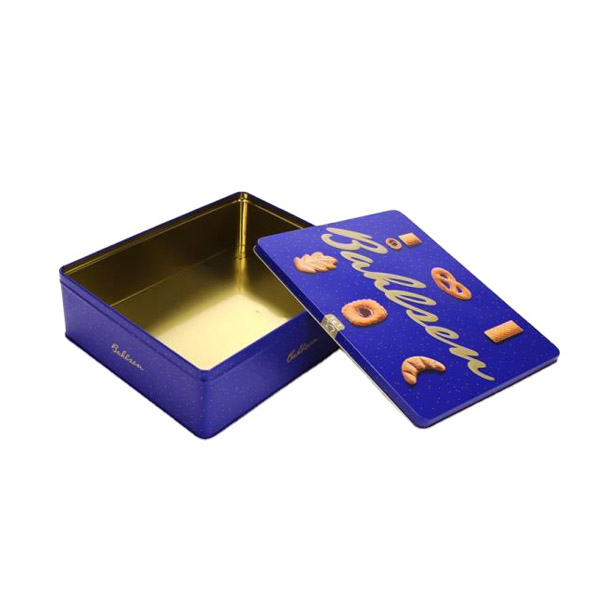
Ofrecemos opciones de embalaje de dulces que son adecuadas para todo tipo de materiales de embalaje.La implementación de técnicas sofisticadas permite un sellado eficaz de las cookies y un almacenamiento prolongado.Además de guardar galletas, las cajas de lata para galletas también se pueden utilizar para almacenar frutas secas, nueces y dulces.La característica de fácil limpieza y desinfección del envase de hojalata para galletas lo convierte en una opción segura e higiénica para el envasado de alimentos.Las cajas de lata para galletas están diseñadas en varias formas y tamaños que se adaptan a sus gustos.
LEER MÁS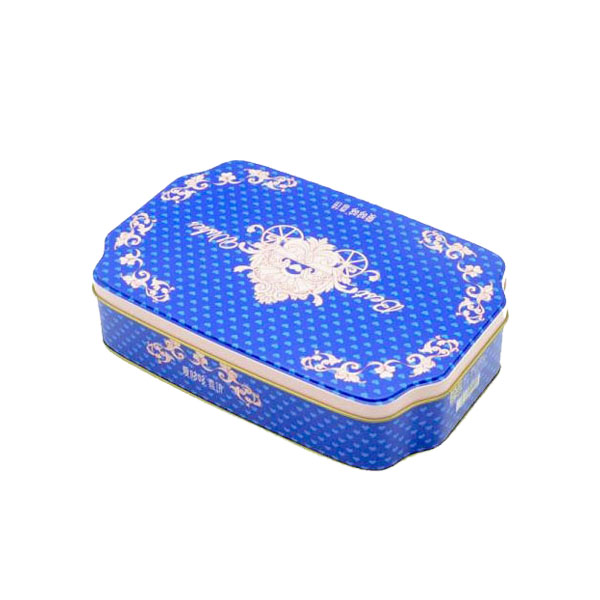
Independientemente del tipo de embalaje que necesite, tenemos opciones de embalaje de chocolate que funcionarán para usted.El cierre hermético de las latas de chocolate ayuda a mantener la frescura del chocolate durante más tiempo.El hecho de que las cajas de lata de chocolate se puedan reutilizar varias veces las convierte en una opción sostenible.La durabilidad de la lata de chocolate garantiza que sea una opción de envasado rentable y duradera.Las latas de chocolate están hechas de un material duradero que protege el chocolate contra roturas o aplastamientos.
LEER MÁS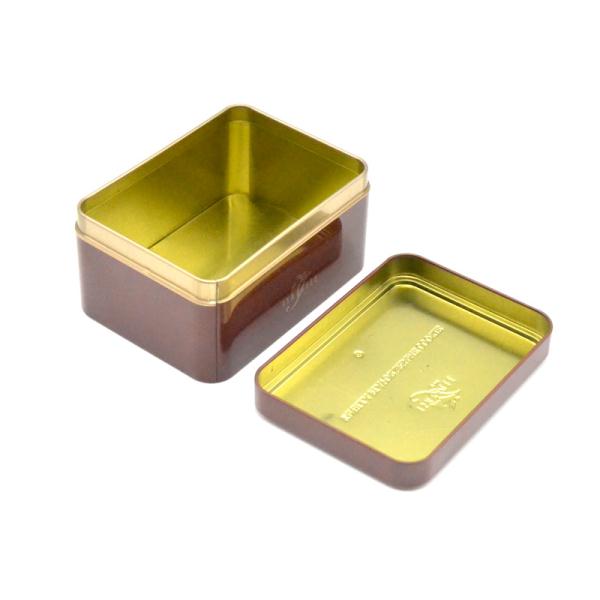
Disponemos de opciones de embalaje de chocolate que son adecuadas para una amplia gama de materiales de embalaje.Las latas de chocolate están equipadas con un sello hermético que garantiza su frescura durante un período prolongado.Las cajas de lata de chocolate son una opción ecológica, ya que se pueden usar varias veces antes de desecharlas.Con sus cualidades duraderas y duraderas, la lata de chocolate es una opción económica para el envasado.El material robusto de las latas de chocolate garantiza que estén protegidas contra roturas o aplastamientos.
LEER MÁS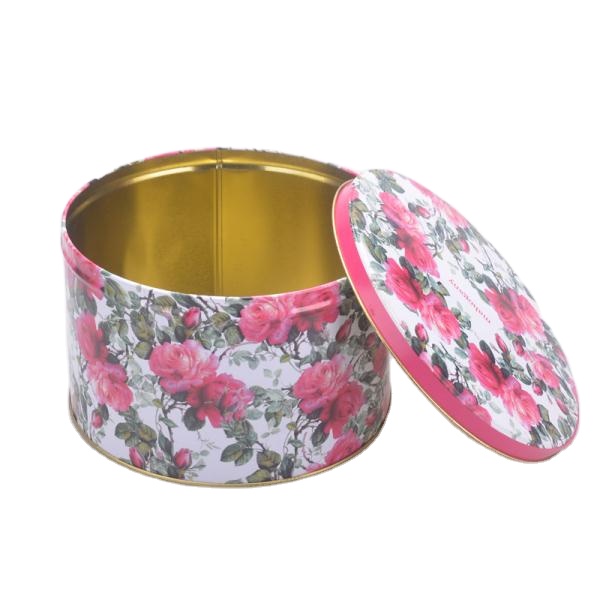
Ofreciendo una variedad de opciones de empaques para chocolate que se adaptan a sus necesidades, sin importar el tipo de empaque.Mediante el uso de técnicas sofisticadas, se garantiza un sellado eficaz y se prolonga el almacenamiento del chocolate.Marcas de renombre como Oreo, Keebler, Chips Ahoy y Pepperidge Farm se encuentran entre nuestros clientes leales.La hojalata de primera calidad garantiza que su embalaje sea totalmente seguro para el contacto con alimentos.La maquinaria profesional de impresión pantone y 4 colores garantiza presentaciones en cajas de hojalata de calidad superior.
LEER MÁS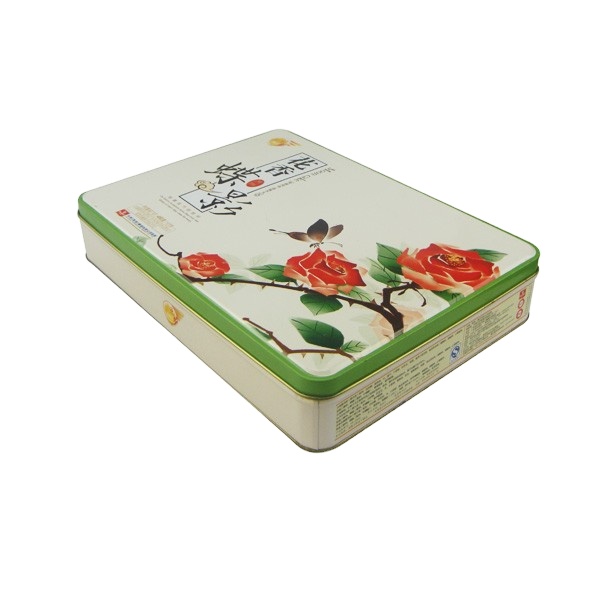
Nuestras opciones de packaging para tartas son versátiles y se pueden adaptar a cualquier tipo de packaging.Sus cookies se pueden almacenar durante períodos de tiempo más largos con la ayuda de sofisticadas técnicas de sellado.La frescura de las galletas se conserva durante un período prolongado gracias a la función de bloqueo del aire y la humedad.La facilidad con la que se puede limpiar y desinfectar el envase de lata para galletas lo convierte en una opción higiénica.Varias formas y tamaños de cajas de lata para galletas garantizan que pueda encontrar una que se adapte a sus gustos.
LEER MÁS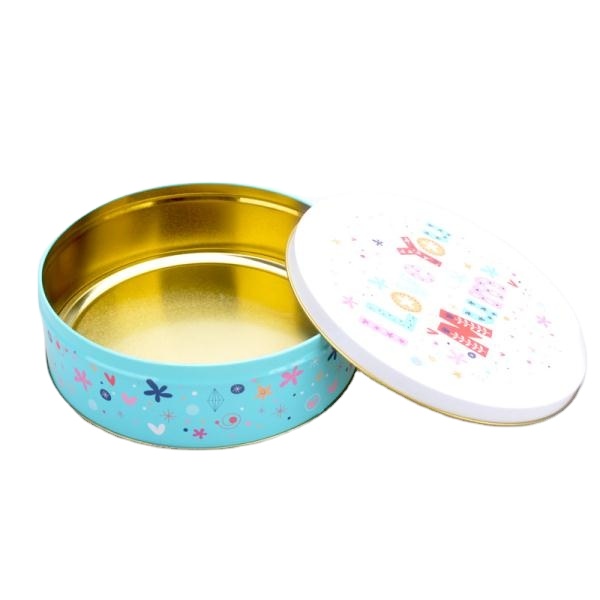
Disponemos de una amplia gama de opciones de envases de caramelos que se adaptan a cualquier tipo de envase.El cierre hermético de las latas de caramelos es fundamental para mantener la frescura durante más tiempo.Los diseños vívidos y llamativos de las cajas de lata de dulces las hacen fáciles de identificar.Los envases de lata para dulces son una opción ideal para el envasado higiénico de alimentos, ya que son fáciles de limpiar y desinfectar.Las latas de dulces están hechas de un material resistente que brinda la máxima protección contra roturas o aplastamientos.
LEER MÁS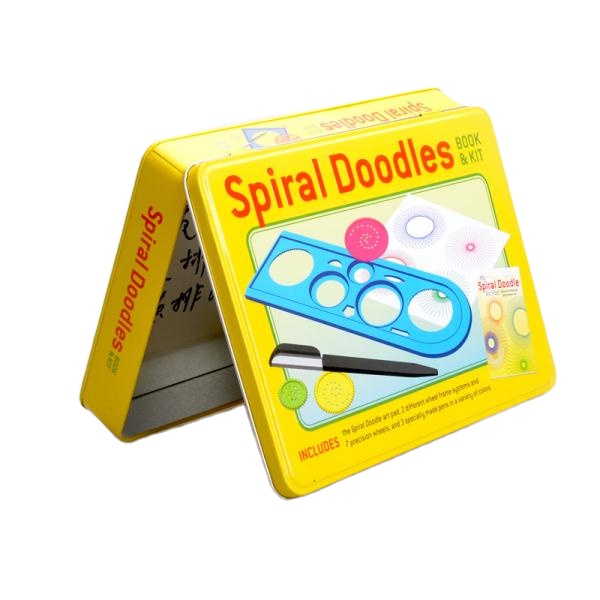
Ofrecemos opciones de empaque de cookies que se adaptan a cualquier tipo de requisito de empaque de cookies.Un sello hermético en las latas de galletas garantiza que las galletas se mantengan frescas durante un período prolongado.Las cajas de lata para galletas son una alternativa ecológica debido a su capacidad de reutilizarse varias veces.La robustez y longevidad de la lata para galletas la convierten en una solución de envasado rentable.Gracias a su material resistente, las latas para galletas ofrecen una excelente protección contra roturas o aplastamientos.
LEER MÁS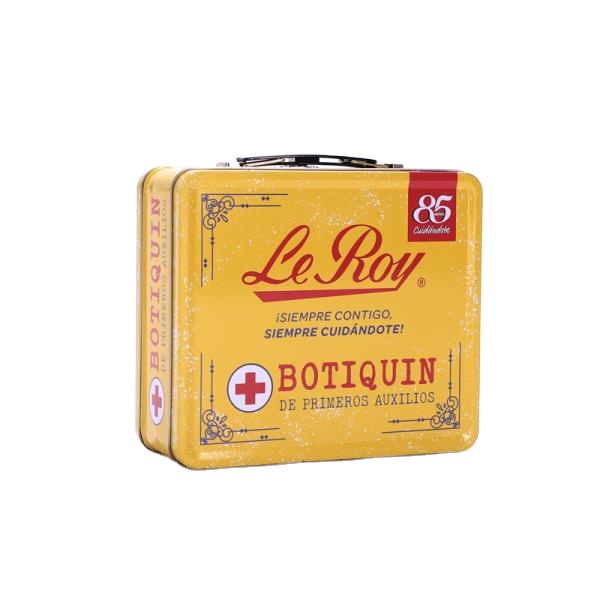
Nuestras opciones de empaque de galletas se pueden adaptar para cumplir con sus requisitos de empaque específicos.Para el almacenamiento prolongado de sus cookies, se pueden utilizar técnicas de sellado avanzadas.Privilegio de servir marcas de galletas reconocidas como Oreo, Keebler, Chips Ahoy y Pepperidge Farm.El embalaje de tus galletas es totalmente seguro para el contacto con alimentos ya que está fabricado en hojalata de primera calidad.Se emplea maquinaria profesional de impresión pantone y de 4 colores para garantizar la superioridad de las presentaciones en cajas de hojalata.
LEER MÁS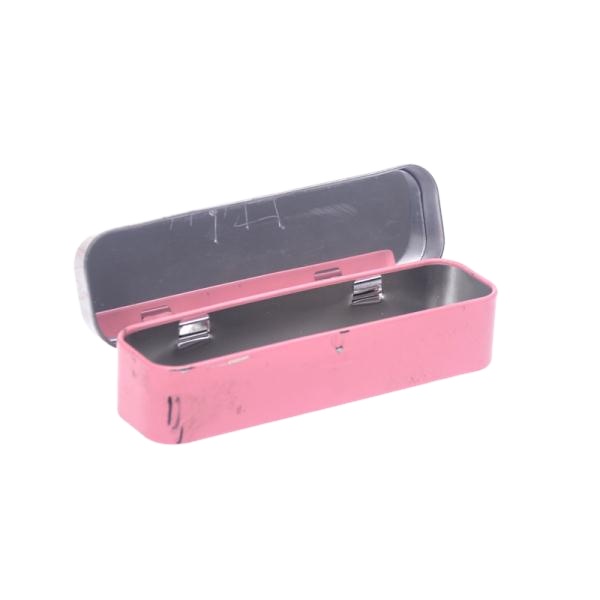
Fabricado con materiales de hojalata resistentes y resistentes, resiste y permanece robusto durante un período prolongado de tiempo.Proteja su material de oficina contra daños o pérdidas con una barrera confiable, manteniéndolos seguros e intactos.Experimente la versatilidad de nuestra colección, que ofrece una variedad de tamaños y estilos para satisfacer todas sus necesidades, desde soportes hasta estuches.Libera todo el potencial de tus lápices con una máquina de impresión en color de última generación, con diseños personalizados y hazlos irresistiblemente atractivos.Abastecimiento directo de fábrica, lo que garantiza que reciba productos de la más alta calidad a un precio competitivo y rentable.
LEER MÁS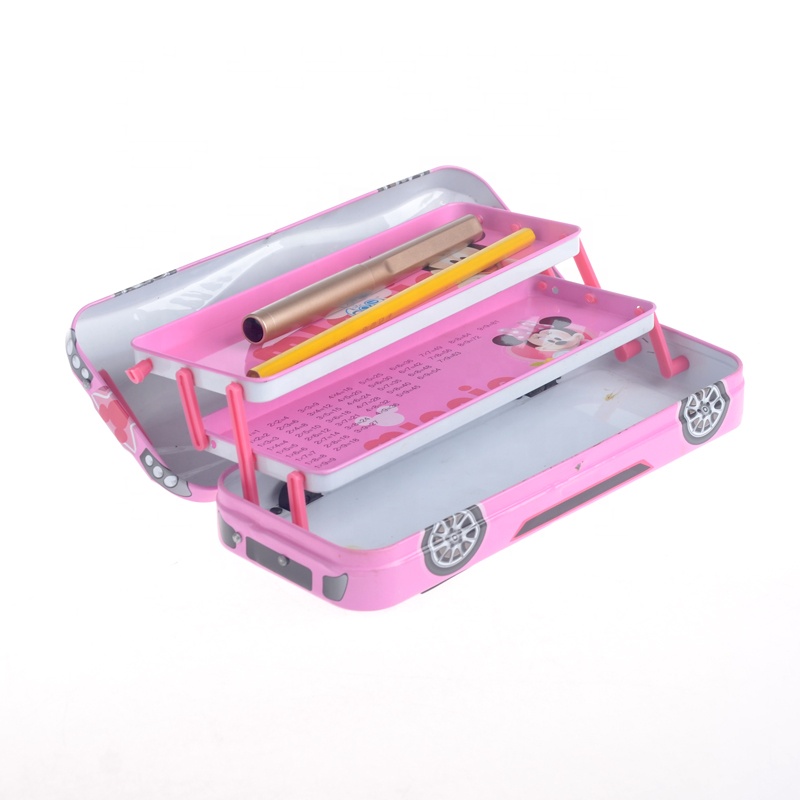
Construido con materiales robustos de hojalata, lo que garantiza su durabilidad y longevidad.Proteja su material de oficina con una barrera segura, protegiéndolos de daños o pérdidas.Una amplia variedad de tamaños y estilos, incluidos soportes y estuches, se adaptan a todas sus necesidades y preferencias específicas.Con máquina de impresión a color de última generación, agregando un toque personalizado y cautivador a cada uno.Le garantizamos que recibirá productos de primera categoría de una calidad excepcional a un precio altamente competitivo.
LEER MÁS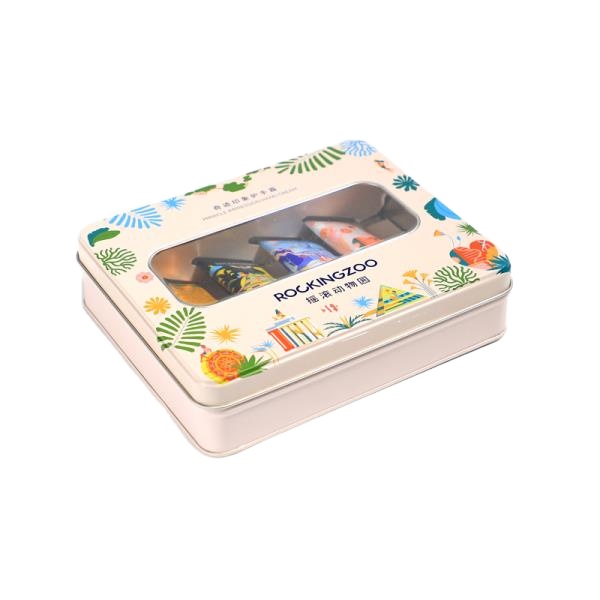
Fabricado con materiales de hojalata resistentes, que están diseñados para resistir la prueba del tiempo y seguir siendo duraderos durante un período prolongado.Garantice la seguridad de su material de oficina utilizando una barrera confiable, previniendo eficazmente cualquier daño o pérdida potencial.Solución perfecta para sus diversas necesidades con una amplia gama de tamaños y estilos, incluidos soportes y estuches.Realce el atractivo de sus lápices con nuestra avanzada máquina de impresión en color, creando una estética personalizada y llamativa.Benefíciese de nuestro suministro directo de fábrica, lo que garantiza que recibirá productos de calidad superior a un coste que sigue siendo altamente competitivo.
LEER MÁS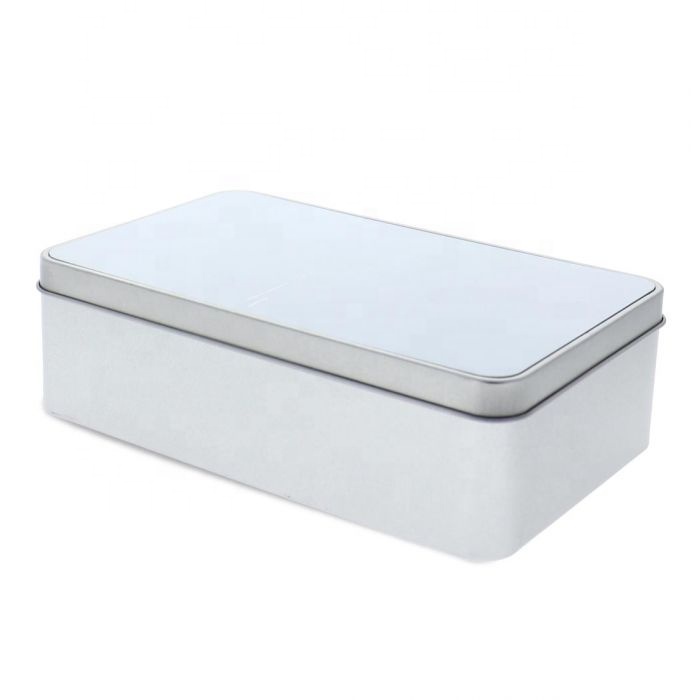
No importa qué tipo de embalaje necesite, tenemos la solución perfecta para usted. Las técnicas avanzadas garantizan un sellado eficaz de sus productos, lo que permite capacidades de almacenamiento ampliadas. Entre nuestros clientes leales se encuentran marcas de alimentos de renombre como Oreo, Keebler, Chips Ahoy y Pepperidge Farm. Tenga la seguridad de que sus productos estarán envasados en hojalata de primera calidad, que es segura para el contacto directo con los alimentos. La maquinaria profesional de impresión Pantone y 4 colores garantiza presentaciones en cajas de hojalata de calidad superior para sus productos.
LEER MÁS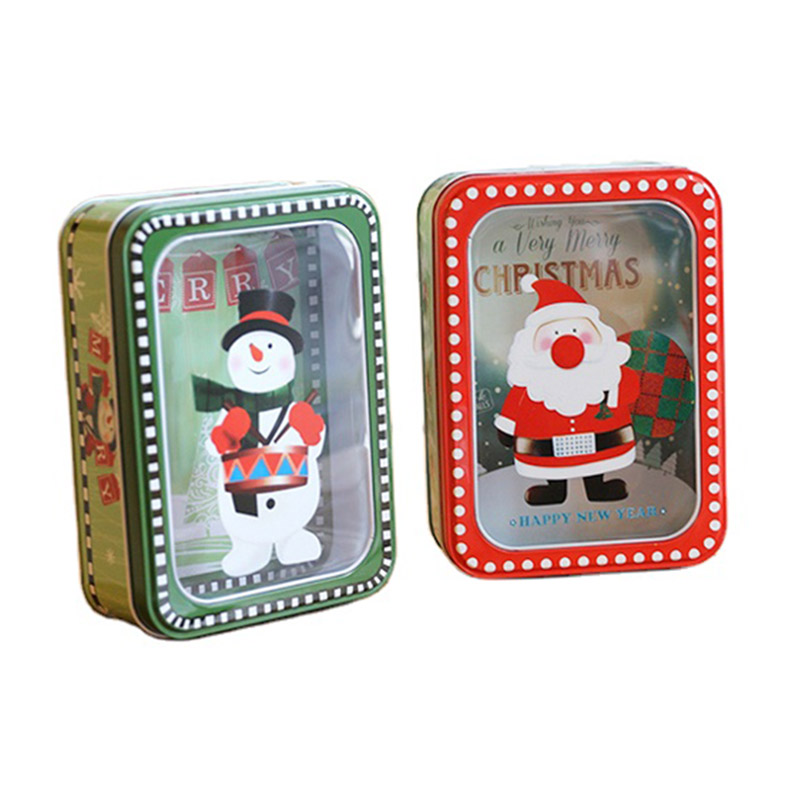
Ofrecemos una selección diversa de opciones de empaque de dulces que se adaptan a diversas necesidades de empaque.El cierre hermético de las latas de caramelos desempeña un papel crucial a la hora de conservar la frescura durante un período prolongado.Los diseños vibrantes y llamativos de las cajas de lata para dulces garantizan un fácil reconocimiento e identificación.Los envases de lata para dulces son una opción perfecta para mantener higiénicos los envases de alimentos, ya que se pueden limpiar y desinfectar fácilmente.Las latas de dulces están fabricadas con materiales duraderos que ofrecen una excelente protección contra roturas o aplastamientos.
LEER MÁS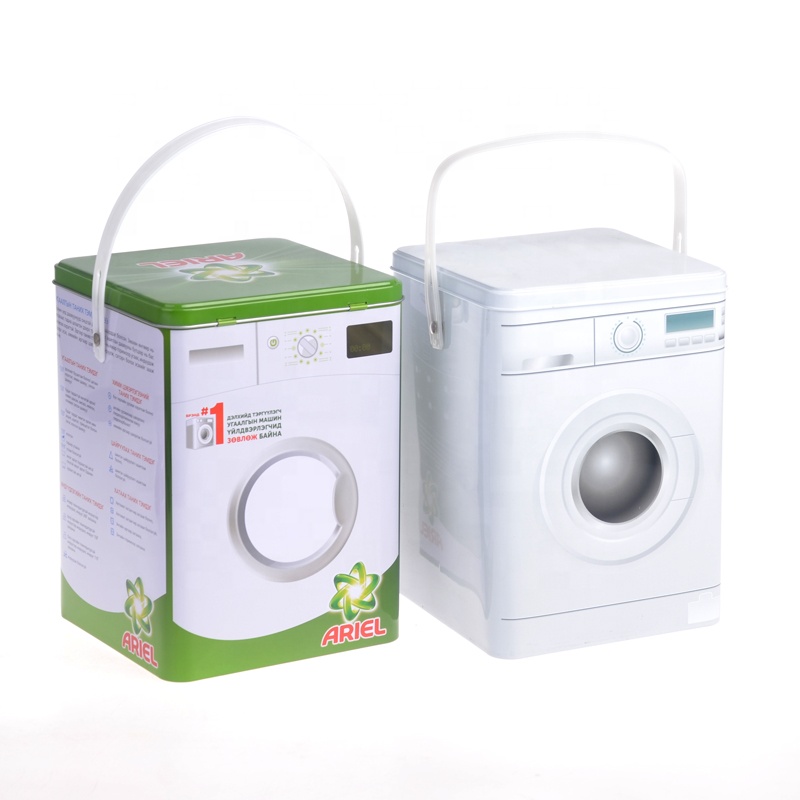
Nuestras opciones de empaque de galletas se pueden personalizar para que se adapten perfectamente a sus necesidades y preferencias de empaque únicas.Para garantizar una frescura duradera de sus galletas, empleamos técnicas de sellado avanzadas que preservan eficazmente su calidad durante el almacenamiento.Privilegio de ofrecer marcas de galletas reconocidas como Oreo, Keebler, Chips Ahoy y Pepperidge Farm, garantizando un placer delicioso y satisfactorio.Nuestro empaque para galletas es completamente seguro para el contacto con alimentos, ya que está elaborado con hojalata de alta calidad que cumple con los más altos estándares de seguridad e higiene.Utilice maquinaria profesional de impresión Pantone y de 4 colores para garantizar la calidad superior de nuestras presentaciones en cajas de hojalata, garantizando diseños vibrantes y visualmente atractivos para nuestros valiosos clientes.
LEER MÁS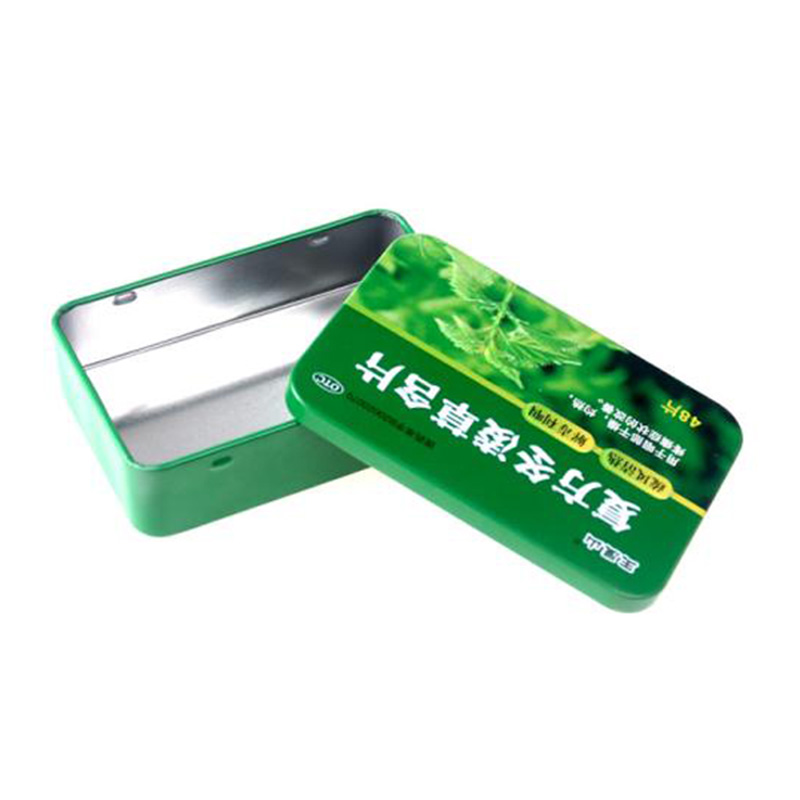
Apilable, ahorra espacio, cómodo de almacenar y organizar.Una amplia gama de usos, ya sea para guardar objetos o como elemento decorativo.Ideal para regalar pequeños objetos como chocolates, caramelos y otros dulces.La hojalata apta para contacto con alimentos ayuda a preservar la frescura y el sabor del dulce, asegurando que siga siendo delicioso.Las cajas de hojalata se pueden personalizar con sus diseños y patrones únicos, agregando un toque de exclusividad y aumentando su valor general.
LEER MÁS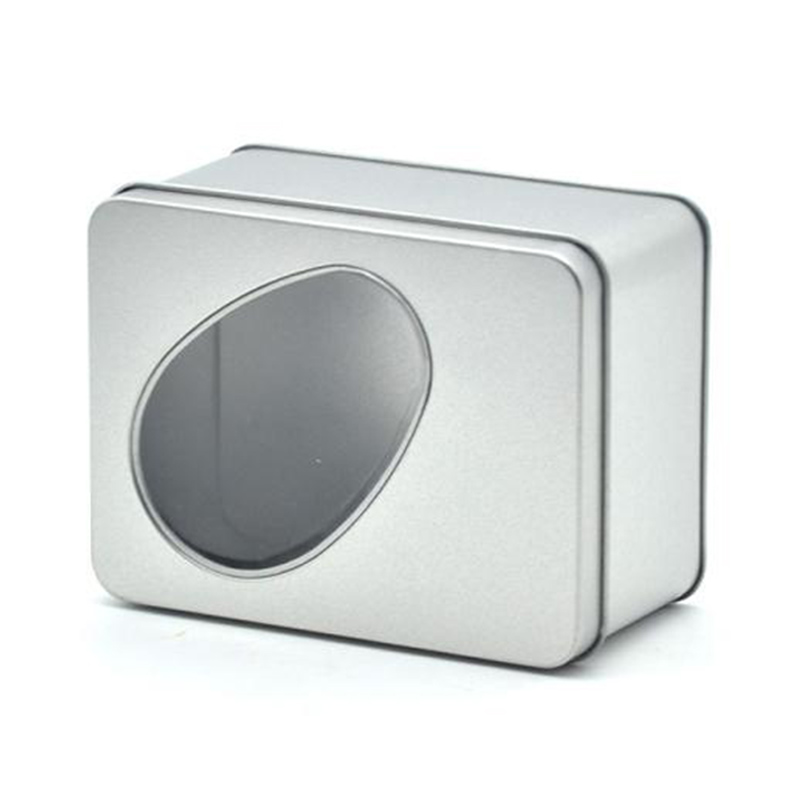
No importa qué tipo de embalaje necesite, tenemos opciones de embalaje de galletas adecuadas.Sus cookies se pueden almacenar durante períodos de tiempo más largos con técnicas de sellado exitosas.Oreo, Keebler, Chips Ahoy y Pepperidge Farm son marcas de galletas famosas que nos son leales.La utilización de hojalata de primera calidad apta para uso alimentario garantiza la seguridad del embalaje de sus galletas.Se utiliza maquinaria profesional de impresión pantone y de 4 colores para garantizar la calidad superior de las presentaciones de cajas de hojalata.
LEER MÁS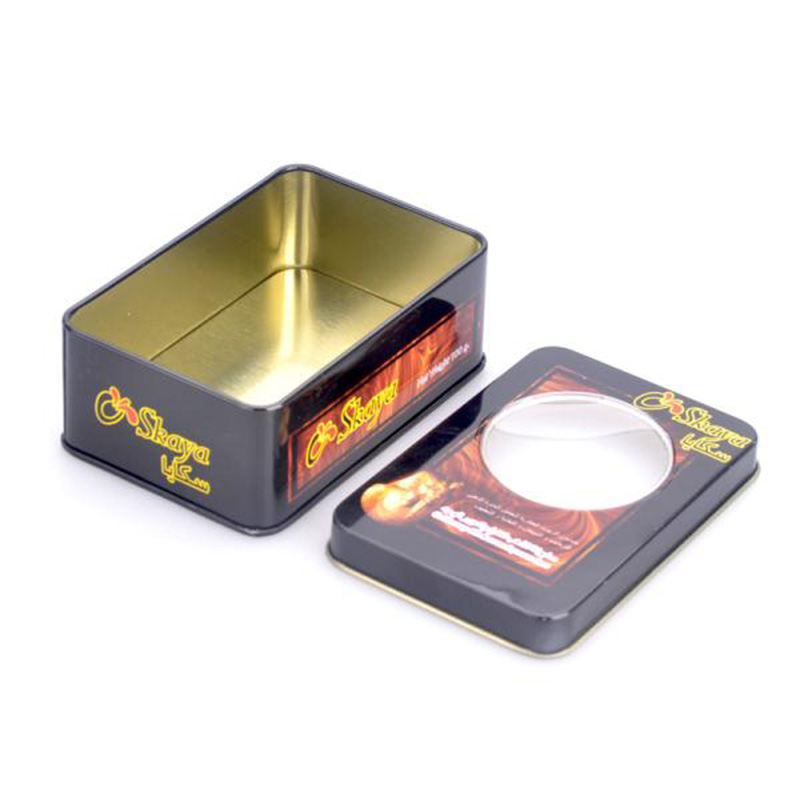
La solución de almacenamiento apilable está diseñada para ahorrar espacio, lo que la hace conveniente para almacenar y organizar sus pertenencias.Se utilizan para una variedad de propósitos, ya sea para almacenar artículos o servir como elementos decorativos.Perfecto para presentar artículos pequeños como chocolates, dulces y otras delicias.La hojalata de primer grado ayuda a preservar la frescura y el sabor de los dulces y prolonga la vida útil.Admitir logotipos y diseños personalizados hace que el producto sea más atractivo y valioso.
LEER MÁS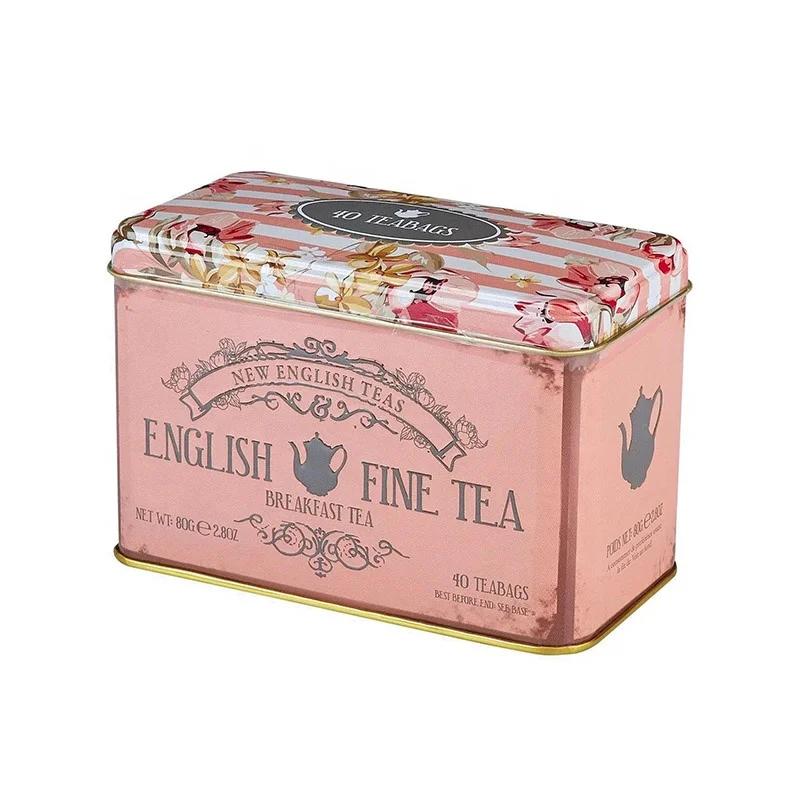
Robusto y versátil para numerosas aplicaciones.Asegura un sello hermético, manteniendo el sabor y aroma del té.Ofrece una variada selección de tamaños y estilos, lo que facilita encontrar uno que satisfaga sus necesidades.Se utiliza para almacenar una variedad de artículos, incluidas especias, hierbas y tés de hojas sueltas.Excepcionalmente fuerte, lo que garantiza que su té esté protegido de la humedad, la luz y el aire.
LEER MÁS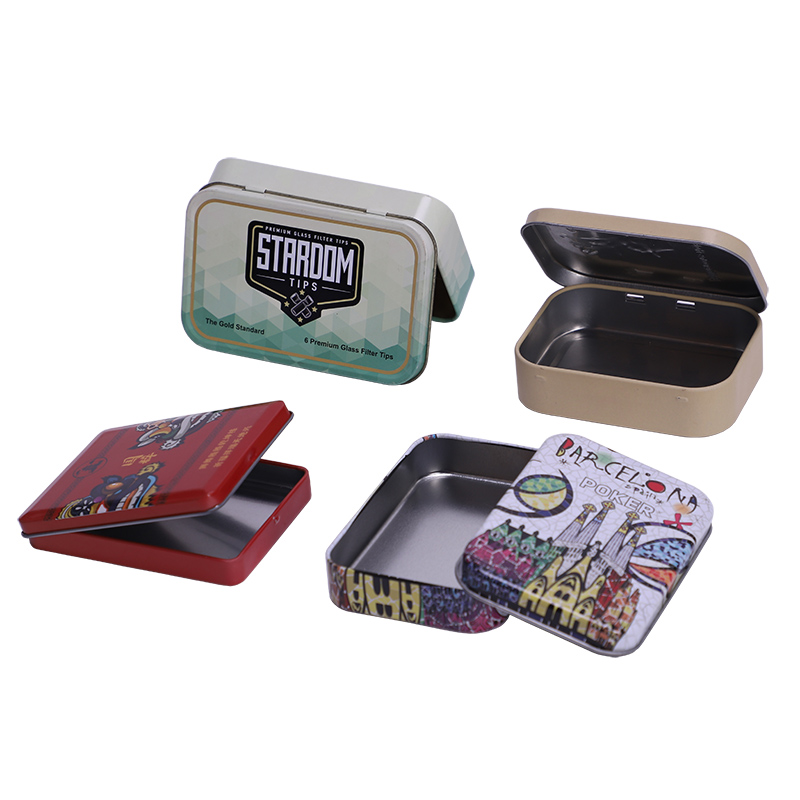
Amplia gama de soluciones de embalaje de hojalata para que usted elija, cubriendo toda la gama de productos. El proceso moderno aporta un buen sellado y un largo tiempo de almacenamiento. Entre los socios conocidos se incluyen marcas líderes como Mentos, Tic Tac y Altoids. El material de hojalata de primera calidad garantiza que la lata proporcione un sellado perfecto. Equipo de diseño profesional, equipo de impresión avanzado, presentación perfecta.
LEER MÁS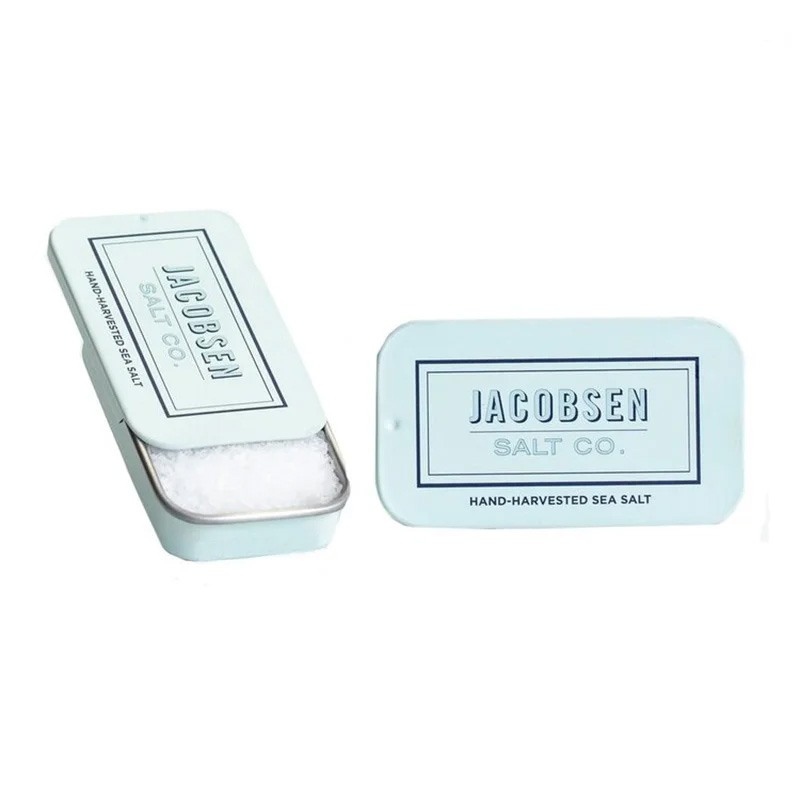
Sus productos reciben una excelente protección con resistencia y durabilidad.Una herramienta promocional ideal, que se puede personalizar con su marca.Atractivos para los clientes, tienen un diseño visualmente atractivo.Ideales para la identificación de productos, son fáciles de etiquetar.Una opción de embalaje respetuosa con el medio ambiente, son reciclables.
LEER MÁS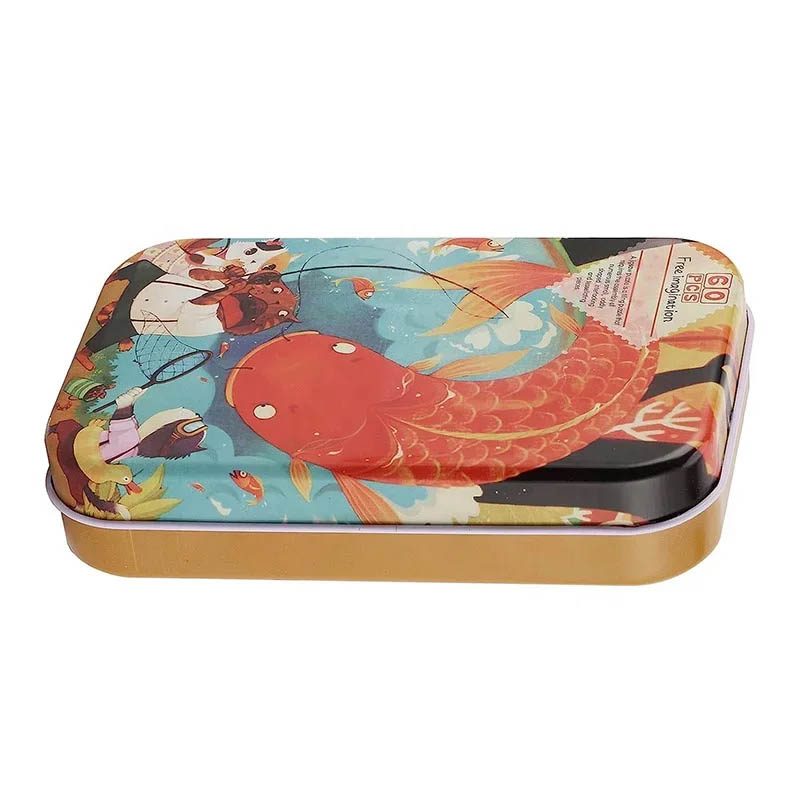
Explore una amplia gama de soluciones de embalaje de hojalata diseñadas para adaptarse a una amplia gama de productos. Nuestros procesos contemporáneos garantizan un sellado seguro y un tiempo de almacenamiento prolongado. Asóciese con marcas conocidas como Mentos, Tic Tac y Altoids. El uso de material de hojalata de primera calidad garantiza un sellado impecable de sus envases de hojalata. Benefíciese de un equipo de diseño profesional, equipos de impresión de última generación y estándares de presentación impecables.
LEER MÁS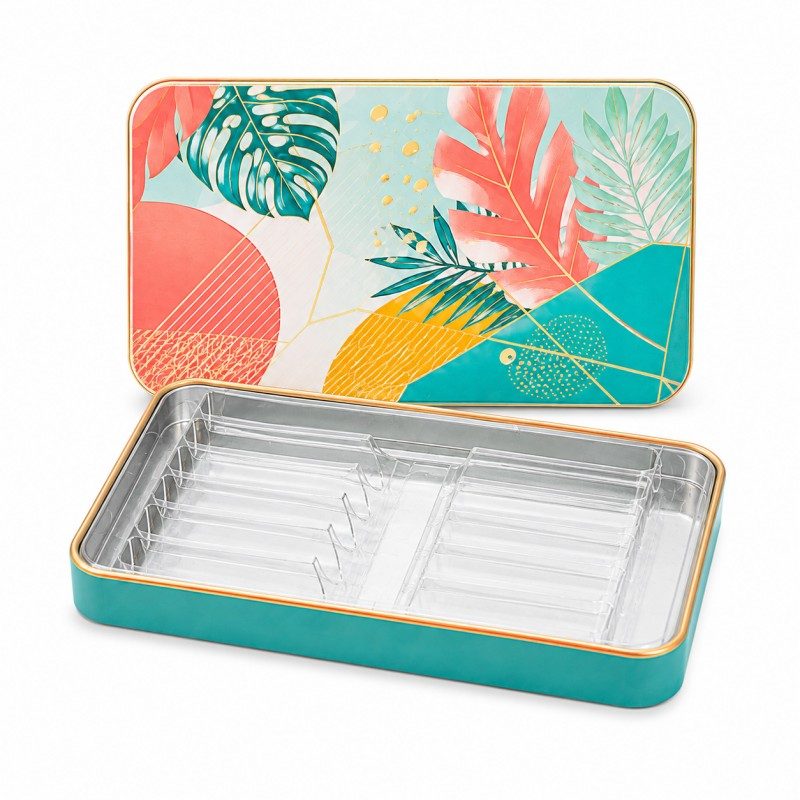
Diseñados para apilarse fácilmente, estos contenedores facilitan el almacenamiento y la organización. Estos contenedores no sólo son reutilizables sino también versátiles y sirven tanto de almacenamiento como de decoración. Con una variedad de tamaños, colores y diseños, puede encontrar el que mejor se adapte a sus necesidades. El diseño simple de tapa abatible permite abrir y cerrar fácilmente. Hechos de hojalata duradera, estos contenedores están diseñados para durar y resistir el uso diario.
LEER MÁS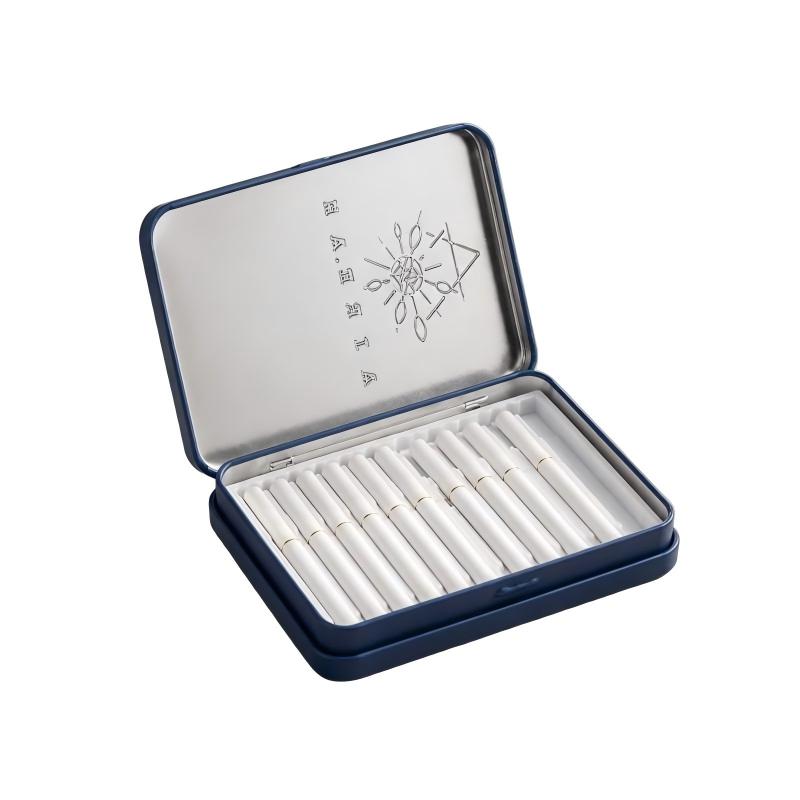
Estos contenedores están diseñados para un almacenamiento y organización convenientes y están diseñados para apilarse ordenadamente. Son adecuados para diversos fines y pueden reutilizarse para almacenar artículos o usarse como piezas decorativas. Puede elegir entre una variedad de tamaños, colores y diseños que satisfagan perfectamente sus requisitos específicos. Los contenedores cuentan con una sencilla estructura de tapa abatible con bisagras, que garantiza una fácil apertura y cierre. Su construcción duradera de hojalata garantiza que estén construidos para durar y ser resistentes al desgaste.
LEER MÁSObtenga la información más reciente y ofertas especiales


 Soporta red IPv6
 Español
 English
 Français
 Deutsch
 Português